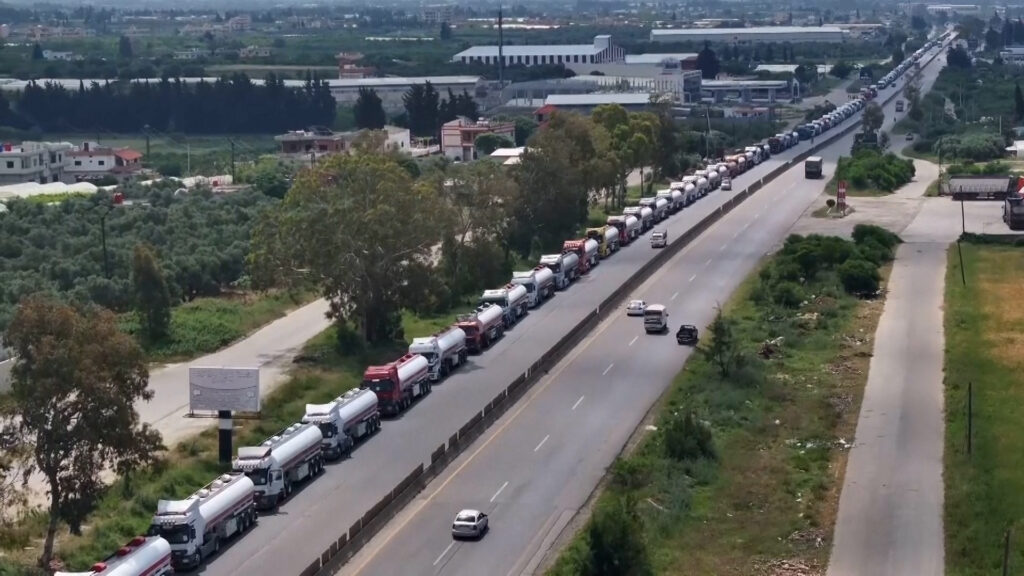
Syria is rapidly becoming a critical alternative energy corridor for oil transportation, receiving hundreds of Iraqi oil trucks hauling crude overland. This development comes as the strategic Strait of Hormuz faces effective blockades and escalating geopolitical tensions, threatening the stability and security of traditional oil shipping routes.
The Strait of Hormuz, a vital chokepoint through which approximately a fifth of the world’s oil supply passes, has long been a flashpoint for regional and international conflicts. With rising sanctions, military threats, and occasional blockades disrupting maritime traffic, countries dependent on oil exports, particularly Iraq, have been compelled to seek alternative routes to maintain the flow of energy resources to global markets.
Syria’s geographic positioning offers a strategic land-based alternative. The country now serves as a transit corridor where Iraqi oil trucks transport crude across its territory, providing a secure and feasible path towards European markets. This overland route circumvents the vulnerabilities associated with maritime transport through Hormuz and the Persian Gulf, reducing risks from naval confrontations and embargoes.
This new energy corridor has significant implications for regional geopolitics. It potentially shifts power balances by diminishing the exclusive control of oil transit through the Strait of Hormuz and empowers Syria and Iraq, strengthening their roles as pivotal energy hubs. For Europe, this alternative supply route is especially important amid ongoing concerns about energy security, diversification, and resilience in face of geopolitical instability.
However, transporting oil via land presents its own challenges, including the need for robust infrastructure, security of transport convoys, and diplomatic coordination among transit countries. The increased truck traffic underscores the urgency for investment in Syria’s road and port facilities to handle rising volumes and ensure safe passage.
The move also highlights the broader trend of countries seeking to diversify energy routes and reduce reliance on vulnerable maritime chokepoints. As global energy markets remain turbulent, alternative corridors like the Syria-Iraq overland route could become increasingly vital for maintaining uninterrupted oil supplies.
In conclusion, Syria’s evolving role as an alternative energy corridor represents a significant strategic shift in the geopolitics of oil transportation. As the Strait of Hormuz remains effectively blocked, the land route through Syria offers a critical lifeline for Iraqi crude heading to Europe, ensuring continued energy flows amidst heightened regional tensions and global market uncertainties.