In a significant and alarming development, rival armed groups with conflicting ideologies in Mali have joined forces to launch coordinated attacks against the Malian state. This unprecedented alliance marks a new chapter in the long-standing conflict that has plagued the country for years, raising urgent questions about the future stability of Mali and the broader Sahel region.
Mali has been grappling with insecurity since 2012, when a Tuareg rebellion in the north escalated into a complex conflict involving jihadist groups, ethnic militias, and international forces. Despite multiple peace agreements and international interventions, violence has persisted, fueled by deep-rooted grievances, political instability, and the proliferation of armed groups.
The recent alliance between previously rival armed factions is particularly concerning because it signals a potential shift in the dynamics of the conflict. These groups, often divided by their ideologies—ranging from ethnic nationalism to Islamist extremism—have put aside their differences to strengthen their grip against the central government.
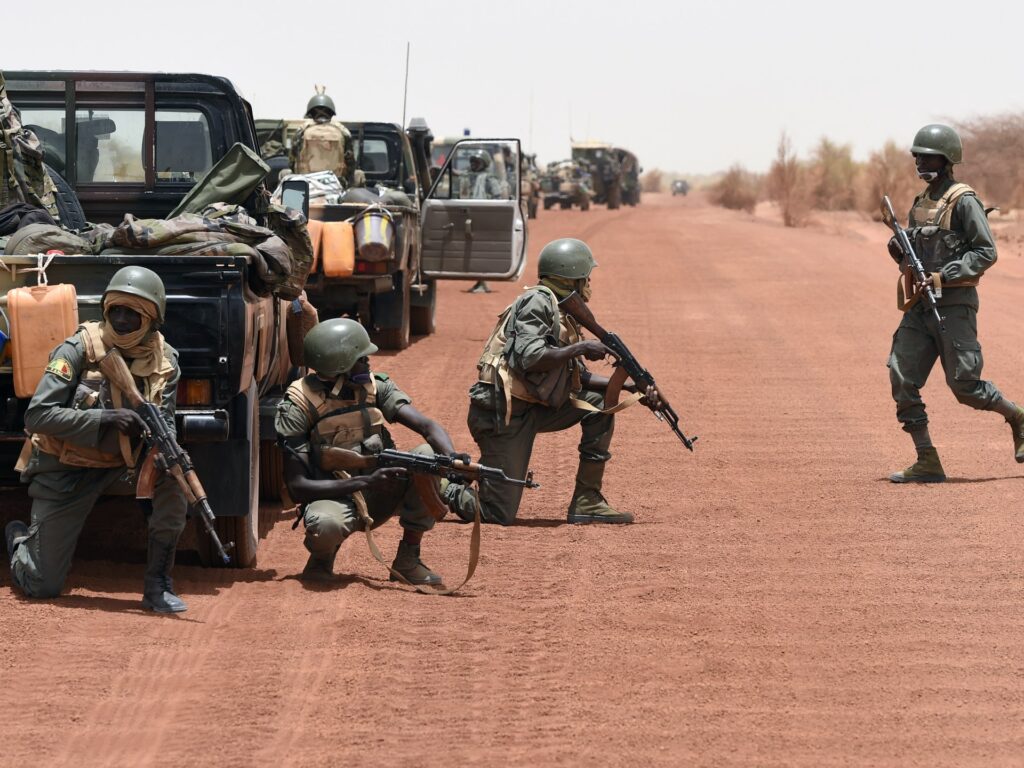
Coordinated attacks have been reported in various strategic locations, including major towns and transport routes, disrupting state authority and further destabilizing the region. The joint operations demonstrate enhanced organizational capabilities and a shared strategic objective: to challenge the Malian state’s control and impose their respective agendas.
However, the sustainability of this alliance remains uncertain. Deep ideological divides, competing leadership ambitions, and divergent long-term goals could undermine their cooperation. Historically, such coalitions of convenience in conflict zones tend to be fragile and prone to internal disputes once immediate objectives are met.
Experts warn that if the alliance holds, it could complicate peace efforts and lead to more intense and widespread violence. The Malian state, already weakened by military setbacks and political turmoil, may face greater challenges in asserting its sovereignty and protecting civilian populations.
The international community, including regional bodies like the African Union and economic entities such as ECOWAS, must reassess their strategies in Mali. Enhanced diplomatic engagement, coupled with support for inclusive political dialogue and strengthening state institutions, is crucial to counter the heightened threat.
Furthermore, any response must address the underlying socio-economic factors that fuel recruitment into armed groups. Poverty, unemployment, and marginalization remain potent drivers of instability.
In summary, while the alliance between rival armed groups presents a new and troubling phase in Mali’s conflict, its durability is questionable. The coming weeks and months will be critical in determining whether this union can withstand internal tensions or if it will unravel, leading to renewed fragmentation and conflict.
What remains clear is the pressing need for a concerted and multifaceted approach to restore peace and stability in Mali, ensuring the state’s authority and safeguarding the lives of its citizens amidst this escalating crisis.