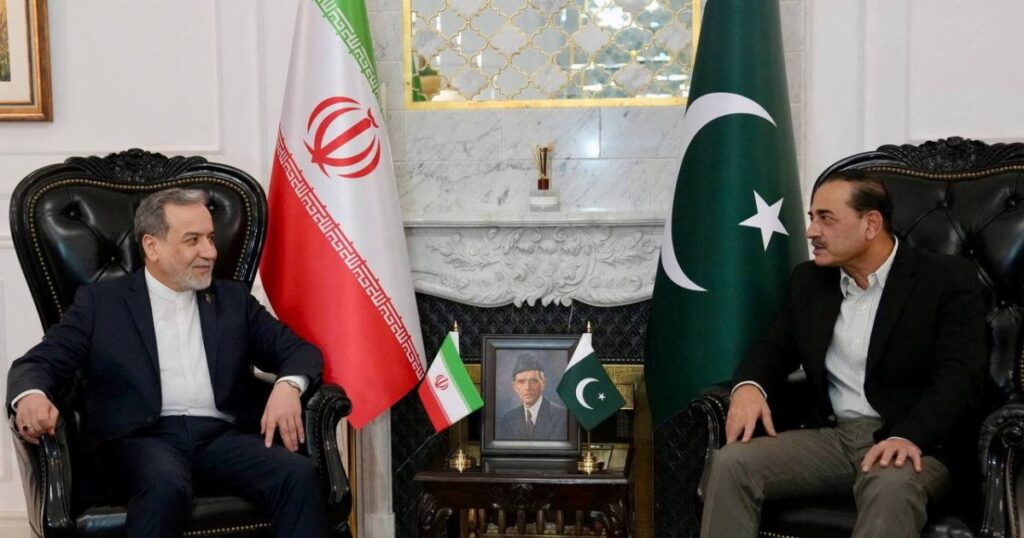
Iran has recently put forth a proposal known as the Hormuz deal, aiming to secure regional security and cooperation without incorporating nuclear negotiations in the agreement. This strategic move highlights Iran’s intent to broaden its diplomatic engagements both regionally and globally.
The Hormuz deal is centered around ensuring the safety and security of the Strait of Hormuz, a vital waterway through which a significant portion of the world’s oil supply passes. Iran’s offer to craft this deal independently of nuclear discourse is a clear attempt to win broader acceptance and support from various regional and international players.
Tehran’s approach signals a shift in its diplomatic strategy by prioritizing immediate regional security concerns over its long-standing nuclear dispute with the United States and other nations. This could potentially pave the way for reducing regional tensions and fostering cooperation among countries bordering the Gulf and beyond.
By decoupling the Hormuz agreement from the nuclear talks, Iran may be seeking to engage countries that are otherwise wary of direct nuclear negotiations. This strategy reflects an understanding of the complex geopolitical landscape, where regional security dynamics and nuclear negotiations often intermingle, complicating diplomatic resolutions.
International reactions to Iran’s proposal have been mixed. Some regional players view the Hormuz deal as a positive step towards collective security arrangements that could stabilize one of the most sensitive geopolitical corridors in the world. Others remain cautious, concerned that excluding nuclear issues from the talks might limit the effectiveness of any resulting agreements.
The United States, which has been engaged in indirect talks with Iran over its nuclear program, has not yet expressed a definitive stance on the Hormuz proposal. The uncertainty around the indirect US-Iran talks adds a layer of complexity to the situation. Washington’s position will be crucial in determining whether Iran’s strategy will yield tangible diplomatic progress.
Iran’s broader diplomacy efforts now extend beyond immediate neighbors to include global powers and influential international bodies. This wider engagement aims to create a framework for cooperation that could transcend traditional rivalries and disputes.
Analysts suggest that Tehran’s move could be a tactical effort to break the deadlock in nuclear negotiations by establishing a foundation of trust and mutual interests through the Hormuz security dialogue. By securing regional buy-in first, Iran may hope to create a more favorable environment for eventual nuclear negotiations.
Moreover, the Hormuz deal proposal underscores the strategic importance Iran places on the Strait of Hormuz. Given its pivotal role in global energy markets, any effort to stabilize this chokepoint has implications far beyond the Middle East.
The success of the Hormuz deal depends heavily on how receptive other regional states and global powers are to separating security discussions from nuclear issues. It also hinges on the ability of Tehran to assure its partners of its commitment to peaceful and cooperative regional policies.
In summary, Iran’s offer of the Hormuz deal without linking it to nuclear talks marks a noteworthy development in Middle Eastern diplomacy. It reflects Tehran’s attempt to engage a wider diplomatic audience and shift focus to immediate regional security concerns, while the fate of indirect US talks remains uncertain. The coming months will be critical in determining whether this new diplomatic approach can lead to a meaningful breakthrough in both regional stability and nuclear diplomacy.