The fragile ceasefire agreed upon between Pakistan and Afghanistan is now under serious threat after recent cross-border attacks were reported by both sides. These strikes represent a significant escalation in conflict and mark the first violent incidents since the two nations had committed to halting hostilities during peace talks held last month.
The peace talks had raised hopes for a reduction in violence and the prospect of improved diplomatic relations between the neighboring countries, who have long experienced tension and conflict along their shared border. However, the reported attacks indicate a deterioration in the situation, threatening the gains made during discussions.
Both Pakistan and Afghanistan accused each other of violating the ceasefire agreement by launching these aggressive actions. The details of the incidents remain somewhat unclear, with conflicting reports about the scale and impact of the strikes.
Analysts suggest that these developments could undermine months or even years of efforts to foster peace in the region. The renewed violence has sparked concern among international observers and neighbouring countries, who fear a wider escalation that could destabilize the border area further.
The origins of the conflict are complex, involving ethnic, political, and security dimensions that have historically made peace difficult to secure. The border region, often characterized by rugged terrain and limited government control, has been a hotspot for militant activities and cross-border insurgency.
The peace talks had aimed to address these underlying issues through diplomatic negotiation and mutual compromise. The recent attacks, therefore, have shaken confidence in the peace process and raised questions about the willingness of either government to fully implement the ceasefire terms.
Efforts by international mediators to de-escalate tensions are now critically needed to prevent a complete breakdown of the ceasefire. Both Pakistan and Afghanistan face internal pressures from political factions and armed groups opposed to peace, which complicates the negotiation environment.
In the wake of these attacks, calls for dialogue and restraint have intensified among global leaders. They emphasize the importance of returning to the negotiating table to reaffirm commitments and prevent further bloodshed.
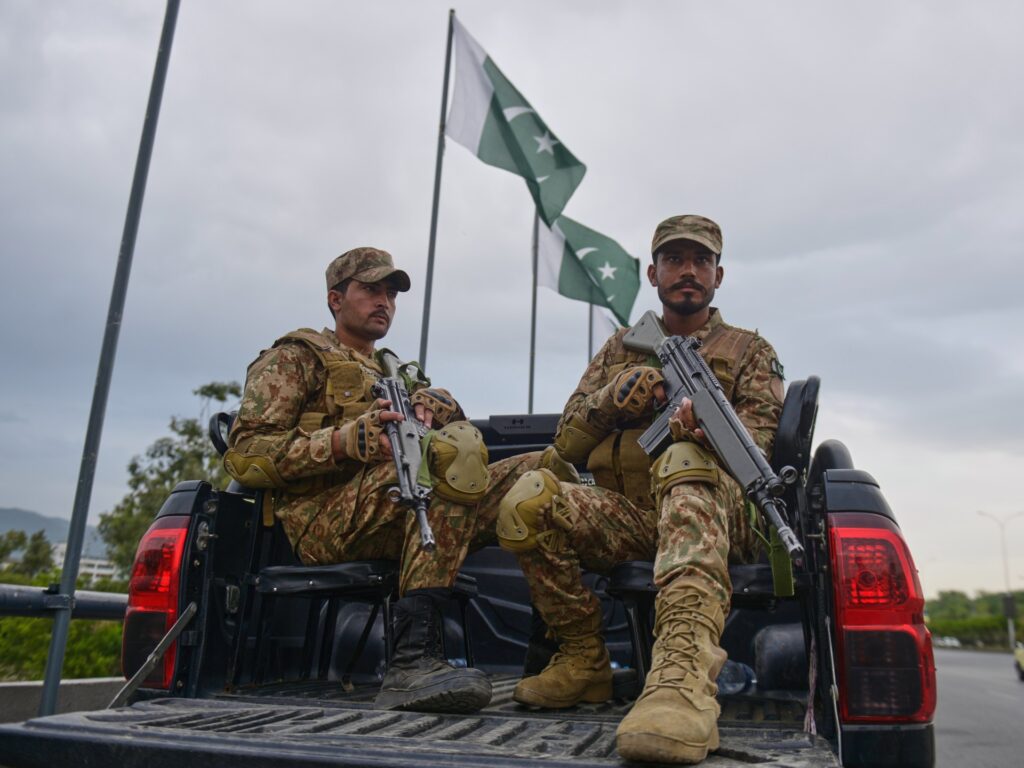
The situation remains fluid, with ongoing reports of military movements and heightened security measures along the border. Observers are closely watching how both governments respond in the coming days as the risk of renewed conflict looms large.
This latest development serves as a stark reminder of the challenges facing peace initiatives in regions plagued by longstanding hostility and distrust. The international community continues to advocate for a diplomatic resolution, stressing that sustainable peace can only be achieved through persistent dialogue and mutual respect.
As Pakistan and Afghanistan grapple with these complex issues, the coming weeks will be critical in determining whether the ceasefire can be salvaged or if violence will escalate further. The hopes for peace now rest heavily on the commitment and cooperation of both nations to rise above past grievances and build a more stable and secure border region for their citizens.