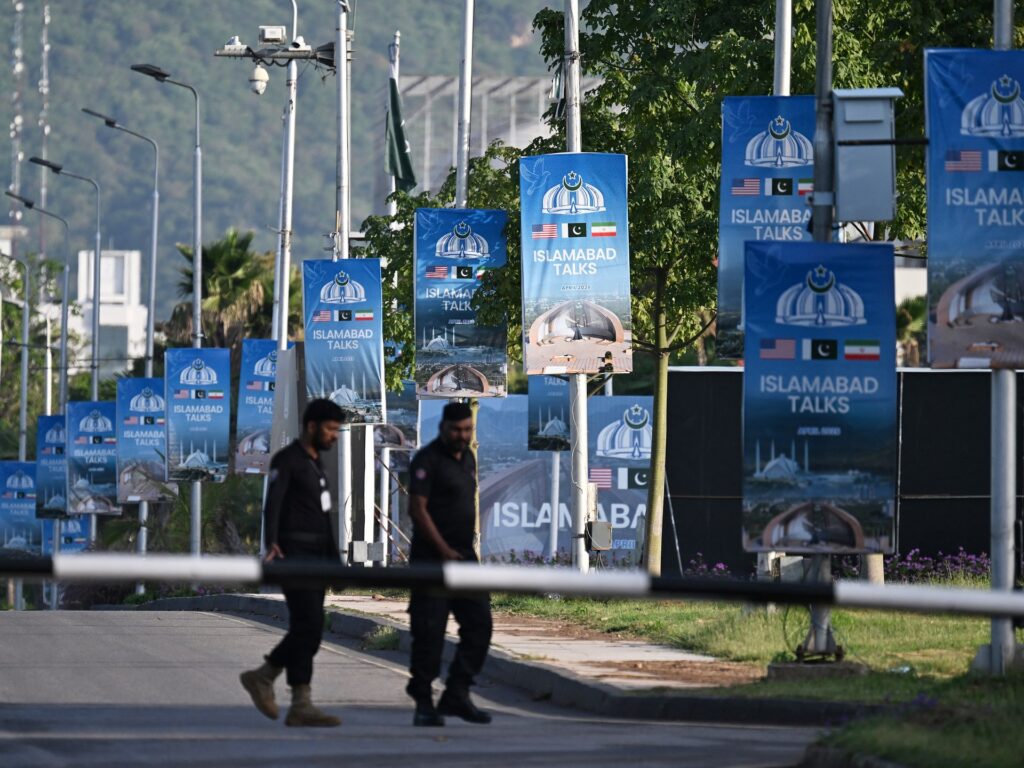
The US-Iran conflict remains at a critical juncture as recent talks in Islamabad have stalled, with both Washington and Tehran maintaining firm positions. The diplomatic impasse comes at a time when mediators are earnestly striving for a breakthrough to ease tensions in what is shaping up to be a proxy war involving the US and Israel against Iran.
The Islamabad talks were intended to serve as a platform for de-escalating hostility and finding common ground between the two longstanding adversaries. However, deep-rooted mistrust and conflicting geopolitical interests have hindered meaningful progress. Washington insists on Iran curbing its nuclear program and stopping its support for proxy groups in the region, while Tehran demands the lifting of sanctions and security assurances.
This deadlock is further complicated by heightened military activities in the Middle East. Israel, considered a staunch US ally, has intensified operations against Iranian-backed militias in Syria and Iraq, citing security threats. Iran, for its part, continues to advance its missile and drone capabilities, raising alarms in Washington about potential regional destabilization.
Mediators, including officials from Pakistan and select European countries, have repeatedly emphasized the urgent need for dialogue to prevent the conflict from escalating into a broader regional war. They are calling on both parties to return to the negotiation table with renewed flexibility and a commitment to peace.
The ongoing US-Iran tensions have significant implications not only for regional stability but also for global energy markets and international security. The Strait of Hormuz, a strategic chokepoint for oil shipments, remains vulnerable to conflict-related disruptions, which could impact global oil prices and supply chains.
Humanitarian concerns are also mounting as continued hostilities threaten civilian populations in affected areas. Various international organizations have urged restraint and called for channels of communication to remain open to facilitate humanitarian aid and conflict resolution.
As of now, all eyes are on diplomatic efforts to revive talks and achieve a de-escalation of hostilities. While both Washington and Tehran have not shifted from their established stances, the growing international pressure and the risk of full-scale conflict underscore the importance of a peaceful resolution.
In summary, the US-Iran conflict is currently marked by stalled negotiations in Islamabad, persistent rivalry, and heightened regional tensions. The hope for a diplomatic breakthrough rests on the willingness of both sides to compromise and the effective mediation by international actors committed to peace and stability in the Middle East.