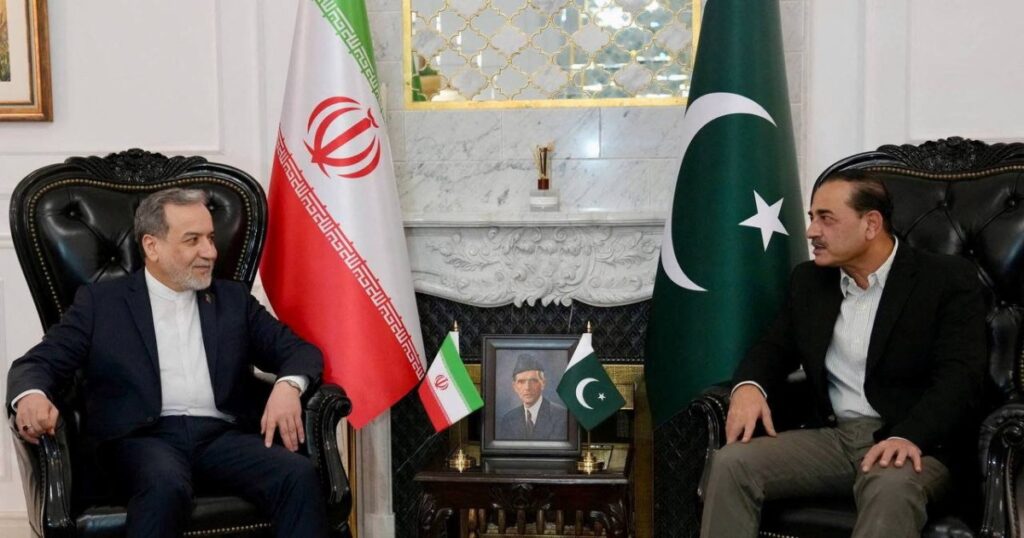
In a significant diplomatic development, US President Donald Trump has canceled a scheduled trip by US envoys after Iran’s Deputy Foreign Minister Abbas Araghchi abruptly left Pakistan. The incident has added fresh tensions to the already fragile relations between the United States and Iran.
Araghchi’s departure from Pakistan was unexpected and seen by some analysts as a move reflecting the strained diplomatic atmosphere in the region. The cancellation of the US envoys’ trip by President Trump signals a tough stance and a possible reevaluation of US diplomatic engagement with Iran.
Following the cancellation, President Trump made a public statement suggesting that future talks between the United States and Iran could occur over the phone. He emphasized the simplicity of the process, stating, “If they want to talk, all they have to do is call!”
This statement underlines the Trump administration’s preference for direct, perhaps less formal, communication channels amid the complex negotiations and discussions surrounding US-Iran relations.
The cancellation and Trump’s comments come at a time when tensions with Iran have been particularly high, with issues ranging from nuclear development concerns to regional security and sanction enforcement sitting at the forefront of international discourse.
Observers note that the move could signal a shift in US diplomatic strategy, possibly leaning towards more immediate and direct communication methods rather than prolonged onsite diplomatic engagements.
Iran’s decision for Araghchi to leave Pakistan prematurely is interpreted by many as a strategic signal sent not only to Pakistan but also to the US and other involved international parties. It highlights the opponent’s sensitivities and underscores the fragile state of regional alliances amidst ongoing political conflicts.
The US envoys’ trip cancellation disrupts planned dialogue opportunities aimed at easing tensions and potentially navigating a course toward negotiation and conflict resolution between Washington and Tehran.
Experts suggest that phone talks, as suggested by Trump, could facilitate quick, direct exchanges that might help de-escalate some of the immediate issues, although such talks may lack the depth and nuance of in-person negotiations.
The international community closely watches these developments, understanding that shifts in communication tactics between the US and Iran could influence broader geopolitical stability in the Middle East.
As the situation develops, further updates will be essential to gauge whether this move marks the beginning of a new approach to diplomacy with Iran or if it signifies a hardening of positions that could lead to increased tensions.
In summary, President Trump’s cancellation of the envoys’ trip following Iran’s Araghchi’s departure from Pakistan and his call for phone talks represents a critical moment in US-Iran relations, highlighting the ongoing complexities and challenges of diplomacy in a highly volatile region.