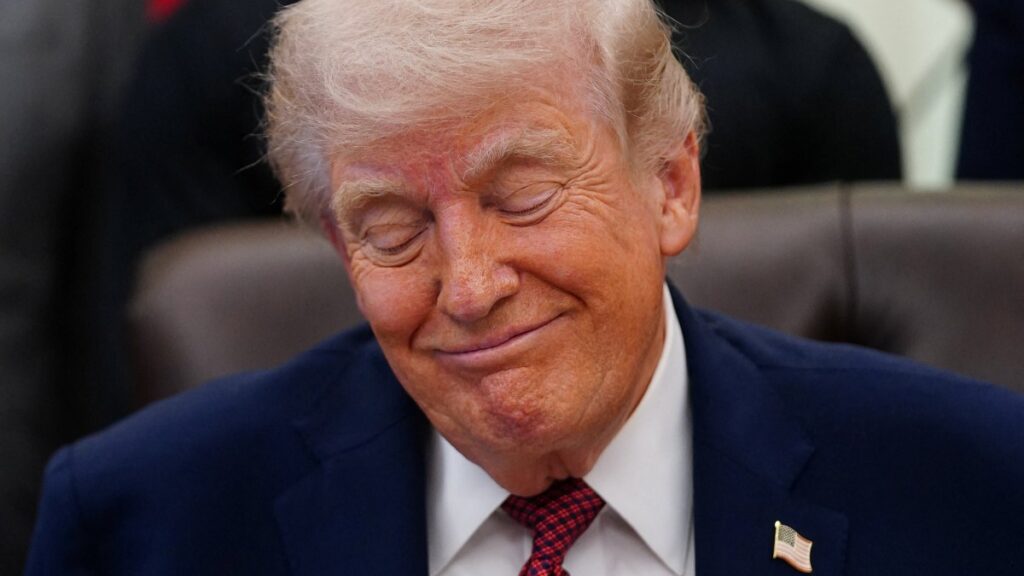
In a significant development in the ongoing conflict involving Iran, U.S. President Donald Trump has announced an extension of the ceasefire with Iran. This decision comes as a part of efforts to de-escalate tensions and move towards peaceful negotiations. The president mentioned that while the ceasefire will continue, the blockade against Iran remains firmly in place. According to President Trump, military attacks against Iran will be paused, but only until Iranian leaders present a unified proposal to end the war. This suggests that the U.S. remains open to dialogue but insists on cohesive and concrete steps from Iran to resolve the ongoing conflict.
The announcement marks an important moment in the fraught relations between the two countries. President Trump’s message highlighted the U.S. stance that peace is achievable if Iran demonstrates a commitment to ending hostilities through unified political action. Despite the ceasefire extension, the maintained blockade signals that pressure on Iran is still significant and that any relaxation of sanctions or military restrictions depends on Iran’s response.
The ceasefire extension is seen as a tactical pause to provide space for negotiation and avoid further escalation of violence. However, the continued blockade indicates that the U.S. aims to compel Iran to come back to the negotiating table with a serious and cooperative approach. This move has drawn reactions from various international actors, who are closely monitoring the situation for signs of potential diplomatic breakthroughs or renewed conflict.
President Trump’s declaration underscores a conditional approach to peace—offering an opportunity for de-escalation while keeping strategic pressure through the blockade. It remains to be seen how effectively the Iranian leadership can consolidate their position and propose a unified plan to end the conflict. The situation continues to be fluid, reflecting the complexities of Middle Eastern geopolitics and the broader international interests at stake.
The international community is watching closely, hoping that this development might eventually lead to a lasting resolution. Meanwhile, the humanitarian implications of the blockade continue to raise concerns, with calls for careful balancing between security objectives and the need to avoid exacerbating civilian suffering.
In conclusion, the announcement by President Trump to extend the ceasefire, while maintaining a blockade against Iran, represents a nuanced shift in U.S. policy toward the conflict. It underscores the delicate balancing act between promoting peace and maintaining strategic pressure to achieve diplomatic progress. How Iran responds to this offer for a unified peace proposal will largely determine the next phase of this ongoing geopolitical saga.