Myanmar’s military government has once again rejected an offer for peace talks, further escalating tensions within the already volatile nation. The refusal comes at a critical time as the country faces internal strife following the recent controversial election.
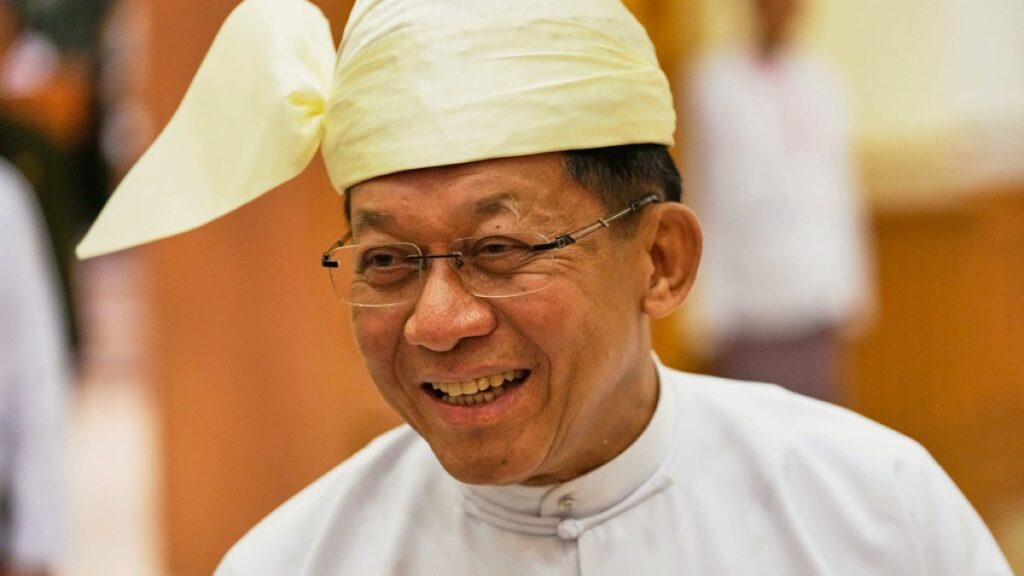
Earlier this month, Min Aung Hlaing, the leader of Myanmar’s military junta, was elected president by the country’s parliament. This election has been widely criticized and dismissed as a sham by domestic opposition groups and international observers alike. Many have denounced the process as lacking transparency and fairness, raising concerns about the legitimacy of the resulting government.
The peace talks offer, proposed as a means to reconcile the differences between the military regime and various ethnic groups as well as pro-democracy factions, aimed to stabilize the country and bring an end to ongoing conflicts. However, the military government’s outright rejection signals a hardline stance that could prolong instability and violence.
Myanmar has endured decades of ethnic conflicts and political unrest, with multiple armed groups vying for autonomy and democratic reforms. Since the military coup in February 2021, the situation has worsened considerably, leading to widespread protests, armed resistance, and harsh military crackdowns.
The international community has expressed concern over the deteriorating human rights situation and governance in Myanmar. Sanctions have been imposed by several countries, urging the junta to return to civilian rule and engage in meaningful dialogue. Despite these pressures, the military leadership appears determined to consolidate power and resist compromise.
Min Aung Hlaing’s presidency marks a continuation of military dominance, raising questions about the possibility of democratic transition in the near future. The rejection of the peace talks offer underscores the challenges ahead for Myanmar’s political landscape.
Local communities, ethnic groups, and civil society organizations have called for renewed efforts to find a peaceful resolution that respects the rights and aspirations of all citizens. Yet, with the military government’s firm stance, achieving lasting peace remains a distant prospect.
As Myanmar stands at a crossroads, the path forward hinges on whether the ruling junta will reconsider its position and engage in genuine dialogue. The consequences of continued conflict could be dire, impacting regional stability and the livelihoods of millions within the country.
In summary, the military government’s rebuff of peace talks and the election of Min Aung Hlaing as president amid controversy signal a challenging period for Myanmar. The international community, alongside the people of Myanmar, watches closely, hoping for a peaceful and democratic resolution to the nation’s ongoing crisis.