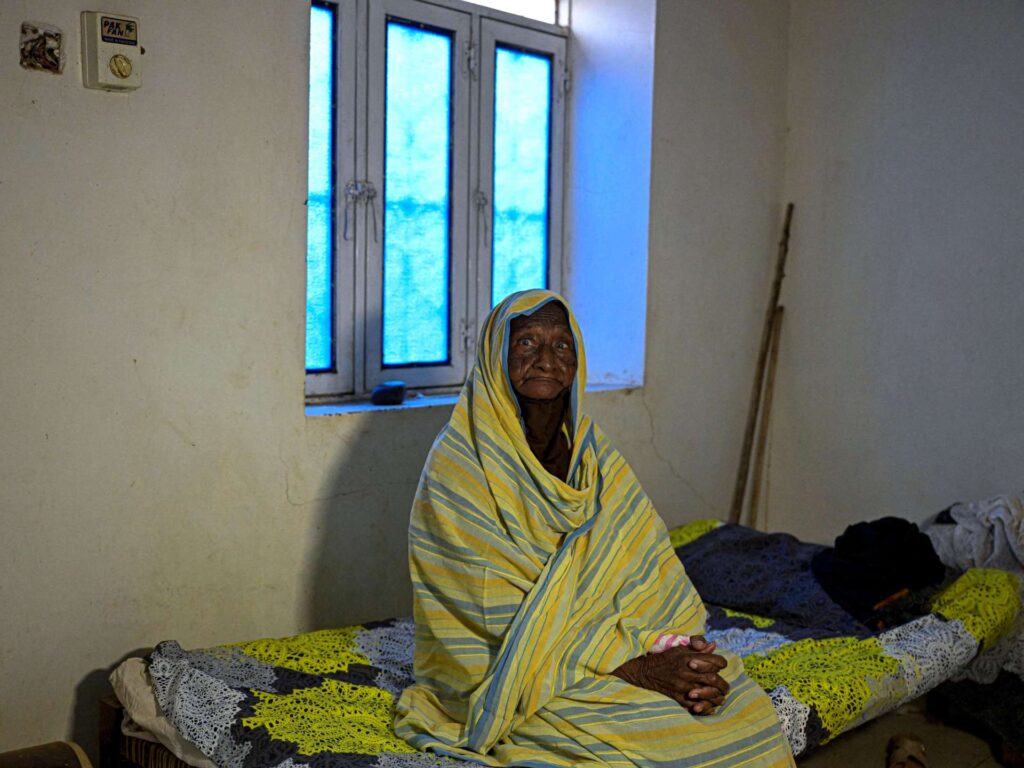
As refugees begin returning to their homes in Sudan, the United Nations has warned of a daunting struggle for survival awaiting many. The recently returned population faces a harsh reality as essential infrastructure including homes, water supplies, health facilities, and electricity have been left heavily damaged amid ongoing conflicts and natural disasters.
The United Nations has brought attention to the chronic and urgent need for substantial investment and rehabilitation efforts to restore basic living conditions in areas to which refugees are returning. Many returnees have found their homes in ruins, leaving them without shelter and vulnerable to the elements.
Water supplies, critical for drinking, cooking, and sanitation, are largely disrupted or contaminated, posing a severe health risk to communities. The interruption of these services exacerbates the public health environment, increasing the likelihood of waterborne diseases and other related illnesses.
Health provision infrastructure has also suffered significant damage, with many clinics and hospitals unable to provide adequate care. This has left returnees, especially vulnerable groups like children and the elderly, with limited access to essential medical services at a time when immediate support is most needed.
Electricity services remain unreliable, if functioning at all, hindering daily life, education, business operations, and communication capabilities. The lack of electricity further complicates the delivery of medical care and the functioning of water treatment facilities.
The struggle for survival among returning refugees is compounded by the limited availability of livelihoods and economic opportunities. Many refugees return to their homes only to find that local markets and industries have collapsed, creating additional barriers to rebuilding their lives.
The UN urges the international community to mobilize resources and prioritize reconstruction efforts. Investments in rebuilding homes, restoring water infrastructure, rehabilitating health services, and restoring electricity are critical to stabilizing communities and supporting sustainable return.
Efforts to provide direct assistance, including food, water, medical supplies, and temporary shelter, are ongoing but require scaling to meet the immense needs.
The situation calls for coordinated action between government bodies, international agencies, NGOs, and local communities. Addressing the root causes of damage and conflict while fostering peace is essential to prevent repetitive cycles of displacement and vulnerability.
The return phase, often seen as a hopeful moment, is, in Sudan’s case, marked by a renewed fight to secure basic human rights and dignity amid damaged infrastructure and scarce resources.
In conclusion, Sudan’s returnees face not only the challenge of emotional and social reintegration but also a severe material struggle to access the essentials for survival. The urgent need for comprehensive humanitarian response and development investment is critical to build resilience and a sustainable future for those returning home.