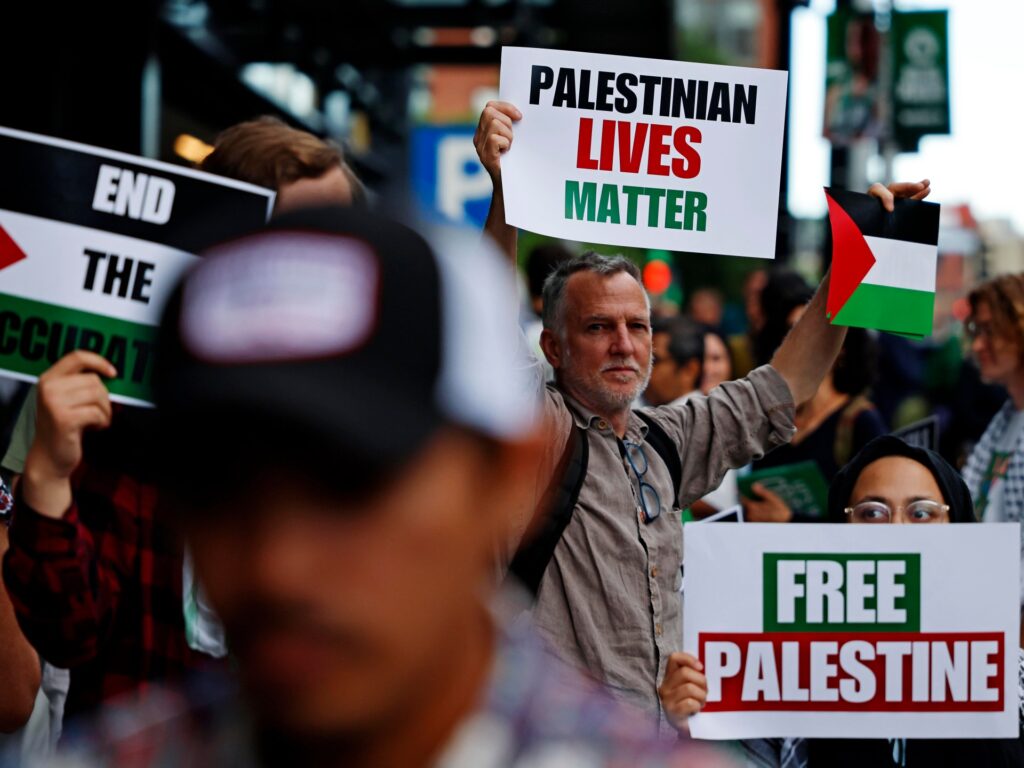
In 2025, requests for legal aid from pro-Palestine advocates continue to remain high despite significant pressure on U.S. college campuses. Legal aid groups monitoring these trends report that the sustained rate of requests highlights the persistent advocacy efforts for Palestinian rights in educational institutions across the United States.
This phenomenon is unfolding even years after the Trump administration implemented aggressive tactics aimed at curbing pro-Palestine activism. These measures included rigorous scrutiny of campus groups, efforts to restrict funding, and heightened surveillance of student activists.
Despite these challenges, pro-Palestine advocacy has not diminished. Lawyers and legal support organizations are witnessing consistent demand from students, faculty members, and activists who seek assistance for issues such as discrimination claims, freedom of speech protections, and defense against administrative sanctions.
Legal experts suggest that this continued demand underscores a broader resilience among pro-Palestine advocates, who are determined to voice concerns about human rights, advocate for Palestinian sovereignty, and challenge policies perceived as suppressive.
Campus pressure includes administrative actions that sometimes result in disciplinary measures against individuals or groups expressing solidarity with Palestine. Complaints filed with legal aid groups often relate to violations of free expression rights and allegations of institutional bias.
University environments have become battlegrounds for discussions on Middle Eastern politics, with pro-Palestine activists demanding equal representation and challenging narratives that they argue marginalize Palestinian perspectives.
Legal aid organizations have also noted an increase in requests for workshops and training sessions aimed at educating individuals on their legal rights when engaging in advocacy work for the Palestinian cause. These efforts aim to empower activists in navigating complex university regulations and legal frameworks.
The persistence of legal aid requests signals the ongoing relevance of pro-Palestine advocacy within the U.S. higher education landscape. It also highlights the need for institutions to balance security concerns with protecting fundamental rights to free speech and assembly.
As the situation develops, legal aid groups continue to track emerging trends, providing critical support to ensure that advocacy for Palestinian rights remains a protected and vibrant part of campus discourse. This trend reflects broader societal divisions and debates regarding U.S. foreign policy and the Israeli-Palestinian conflict.
In conclusion, the sustained high levels of legal aid requests from pro-Palestine advocates in 2025 demonstrate ongoing activism despite historical pressures. The resilience of these voices on campuses across the nation signals an enduring commitment to Palestinian issues and challenges faced within institutional frameworks. Advocates and legal experts alike anticipate that this legal demand will continue to play a crucial role in shaping dialogue and policy surrounding pro-Palestine advocacy in the years to come.