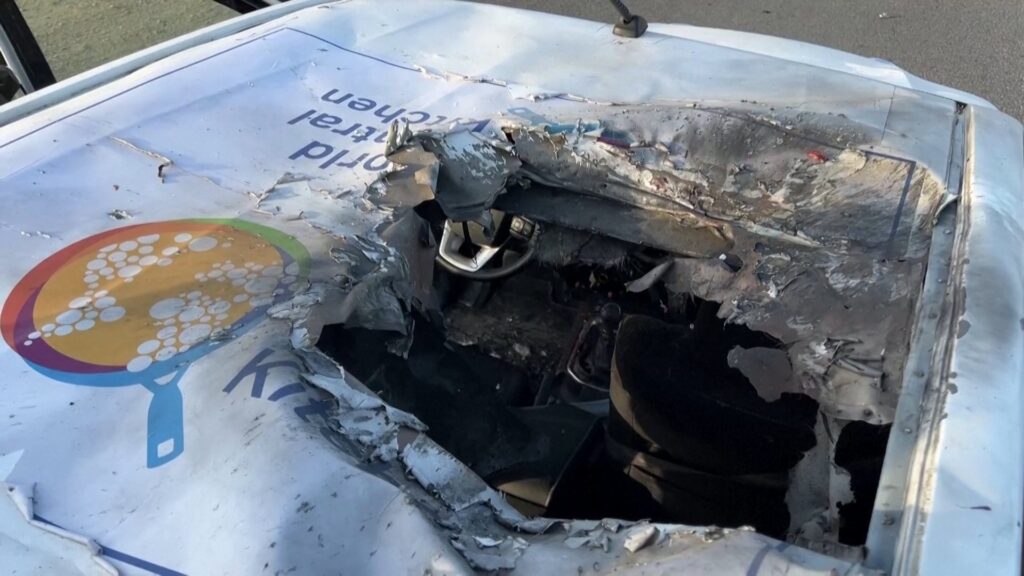
World Central Kitchen (WCK) founder José Andrés has once again called for an independent investigation into the tragic deaths of WCK staff members in Gaza. The incident occurred during Israeli strikes, leading to the loss of lives among those dedicated to humanitarian aid in conflict zones.
José Andrés, a prominent chef and humanitarian known for mobilizing aid in crisis situations, expressed deep concern over the safety and security of aid workers in conflict areas. The renewed appeal underscores the urgent need for transparency and accountability in the ongoing conflict affecting the region.
The killings of WCK staff members in Gaza have raised serious questions regarding the circumstances of the strikes and whether adequate protections were in place to prevent civilian and aid worker casualties. World Central Kitchen operates globally to provide meals in disaster zones, and such attacks threaten their ability to function in high-risk environments.
In his statement, Andrés emphasized that humanitarian workers should be protected under international law and that the targeting or collateral harm of aid personnel is unacceptable. He urged parties involved in the conflict to respect humanitarian principles and ensure the safe delivery of aid.
This call for an independent investigation is aimed at clarifying the facts surrounding the deaths and ensuring that those responsible are held accountable. Transparency in this context is critical to prevent future tragedies and maintain the integrity of humanitarian operations in Gaza and other conflict zones.
The situation in Gaza remains highly volatile, with ongoing military actions causing significant civilian harm and infrastructure damage. International organizations and governments continue to advocate for ceasefires and measures to protect vulnerable populations and aid workers.
José Andrés’ renewed demand highlights the broader issue of the risks faced by humanitarian workers globally in conflict situations. It serves as a reminder of the importance of international oversight and the need for robust mechanisms to safeguard those who dedicate their lives to saving others.
The international community is closely monitoring the situation, and there is growing pressure on parties to uphold humanitarian law and facilitate aid assistance without interference or danger to aid personnel.
As investigations proceed, the hope remains that lessons will be learned and stronger protections will be established for humanitarian missions operating in conflict zones worldwide, ensuring that aid organizations can continue their vital work without fear of violence or reprisal.