In a significant escalation of tensions in the Middle East, the United States conducted a military strike on Larak Island, located in southern Iran. This marks the first direct attack by the US on Iranian territory in several weeks, signaling a sharp intensification of the ongoing conflict between the two nations.
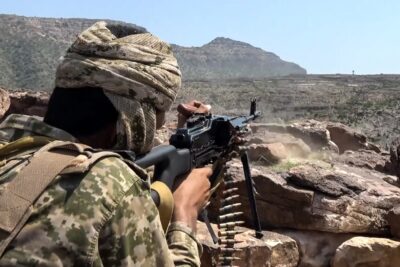
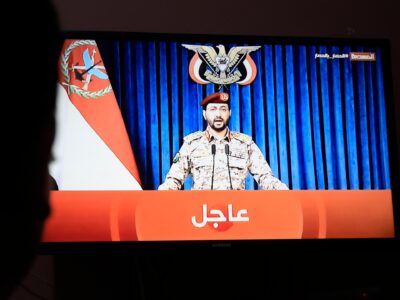
The Islamic Revolutionary Guard Corps (IRGC), Iran’s elite military force, reported that the attack resulted in numerous casualties among Iranian soldiers. Several were killed and many others injured during the strike, according to official statements issued by the IRGC.
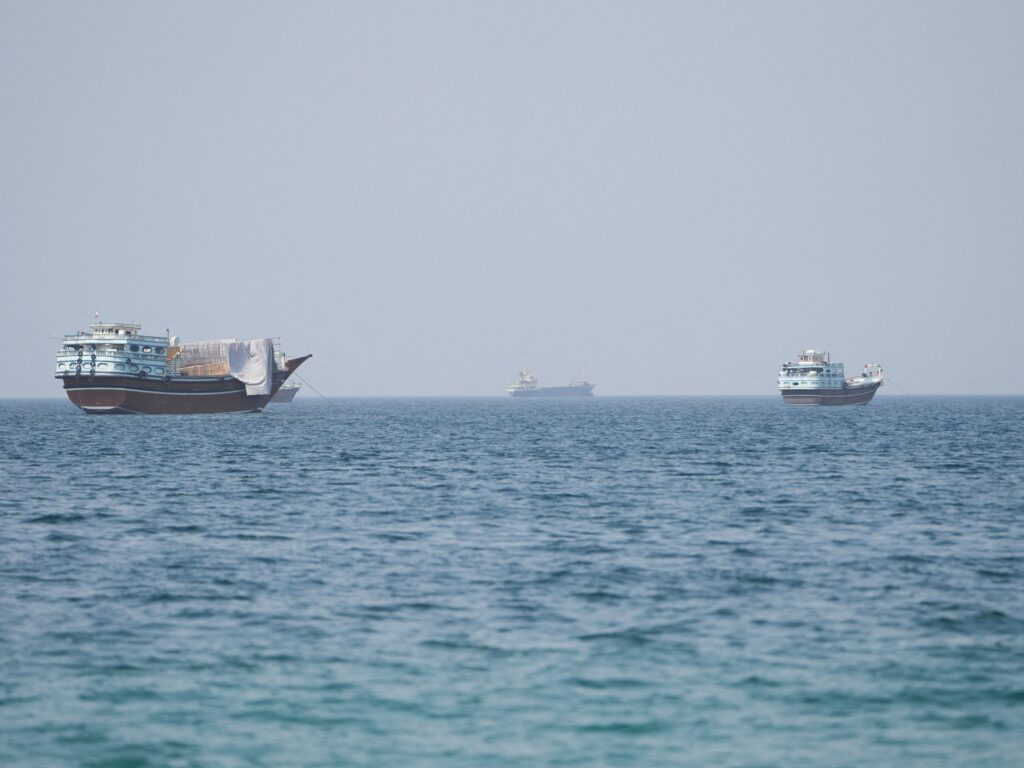
Larak Island, strategically positioned in the Persian Gulf near the Strait of Hormuz, holds immense geopolitical importance due to its proximity to critical shipping lanes and oil transit routes. Historically, the island has been a focal point in regional disputes and conflicts.
The US military has not provided detailed explanations or justifications for the strike publicly, but analysts suggest that it forms part of a broader strategy to pressure Iran amid its nuclear ambitions and regional activities perceived as destabilizing by Washington.
Iran condemned the attack as a blatant violation of its sovereignty and a provocative act undermining regional stability. Tehran vowed to respond decisively to any further aggressions.
This development comes amidst rising hostilities marked by previous maritime confrontations, cyber-attacks, and proxy conflicts involving Iranian-backed groups and US interests in the Middle East.
International reactions have been mixed, with some global powers urging restraint and dialogue to prevent a further escalation of violence that could disrupt global energy markets and diplomatic efforts.
The strike underscores the fragile state of US-Iran relations and highlights the risks of military escalation in one of the world’s most volatile regions. It also raises questions about the future trajectory of diplomacy and peace efforts aimed at de-escalating tensions.
Military experts warn that continued confrontations could lead to broader conflict, potentially drawing in regional and global powers. Both sides face increasing domestic and international pressure to avoid a wider war while protecting their strategic interests.
The situation remains fluid, with both Iran and the US closely monitoring developments. Diplomatic channels may be tested as the world watches the unfolding implications of this attack on Larak Island.
In summary, the US strike on Larak Island stands as a stark reminder of the persistent volatility in US-Iran relations, emphasizing the urgent need for renewed diplomatic engagement and conflict resolution to ensure lasting peace and security in the Middle East.