In 2025, the International Organization for Migration (IOM) has reported a tragic statistic: nearly 8,000 people died or went missing while traveling on migration routes across the world. This grim figure highlights the persistent and severe risks faced by migrants seeking safer lives, better opportunities, or refuge from conflict and hardship.
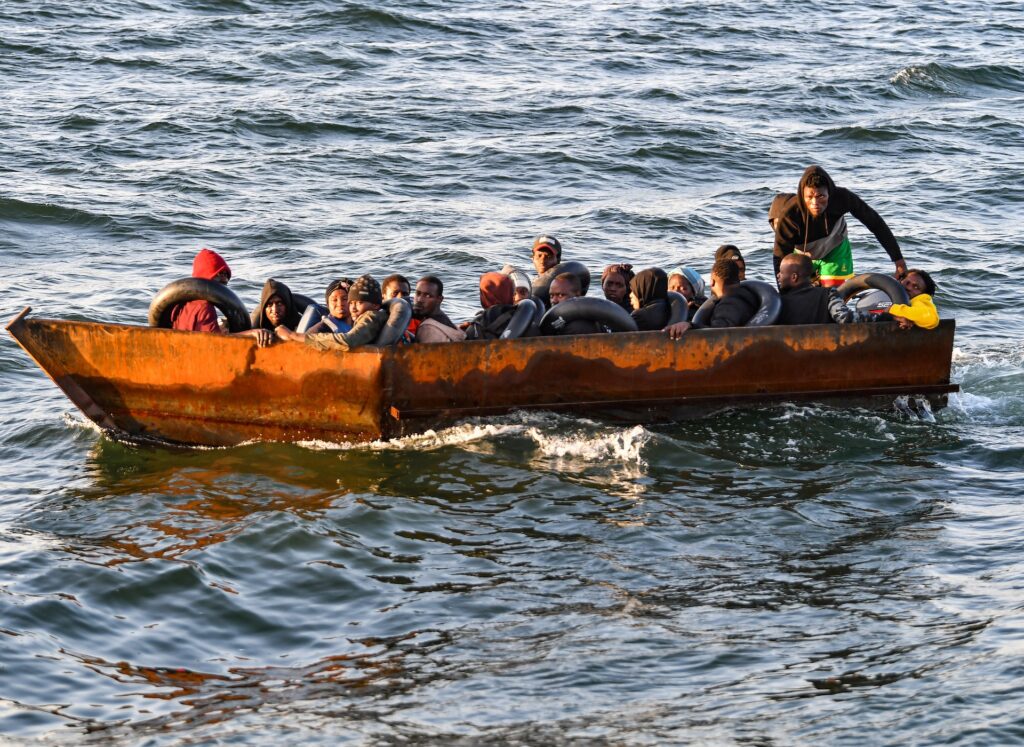
According to the IOM, more than 40 percent of these deaths and disappearances occurred on the perilous sea routes to Europe. These sea crossings, often managed in small, overcrowded boats, remain among the deadliest journeys for migrants. The Mediterranean and other strategic maritime corridors continue to be fraught with dangers such as harsh weather conditions, shipwrecks, and exploitative smuggling operations.
The IOM’s data underscores the urgent need for coordinated international efforts to address and mitigate the dangers migrants face. Efforts include improving search and rescue operations, enhancing legal migration pathways, and cracking down on human trafficking networks that often profit from the desperation of individuals on the move.
The global community has been grappling with increasing migration flows driven by a diverse set of factors including conflicts, economic instability, environmental changes, and persecution. Despite the risks, many migrants undertake these journeys with hopes for a safer or more prosperous future.
This latest report by the IOM is a somber reminder of the human cost of migration and the need for stronger policies and humanitarian aid to protect vulnerable populations. It calls for enhanced cooperation among countries to create safer migration pathways and provide support to those displaced.
The IOM continues to advocate for urgent action to save lives, protect migrants’ rights, and address the root causes of migration, stressing that the deaths and disappearances are preventable with concerted global effort.
In conclusion, the nearly 8,000 deaths and disappearances on migration routes in 2025 paint a stark picture of the ongoing migration crisis. The international community must respond with empathy, resources, and effective policies to safeguard human life and dignity during these perilous journeys.