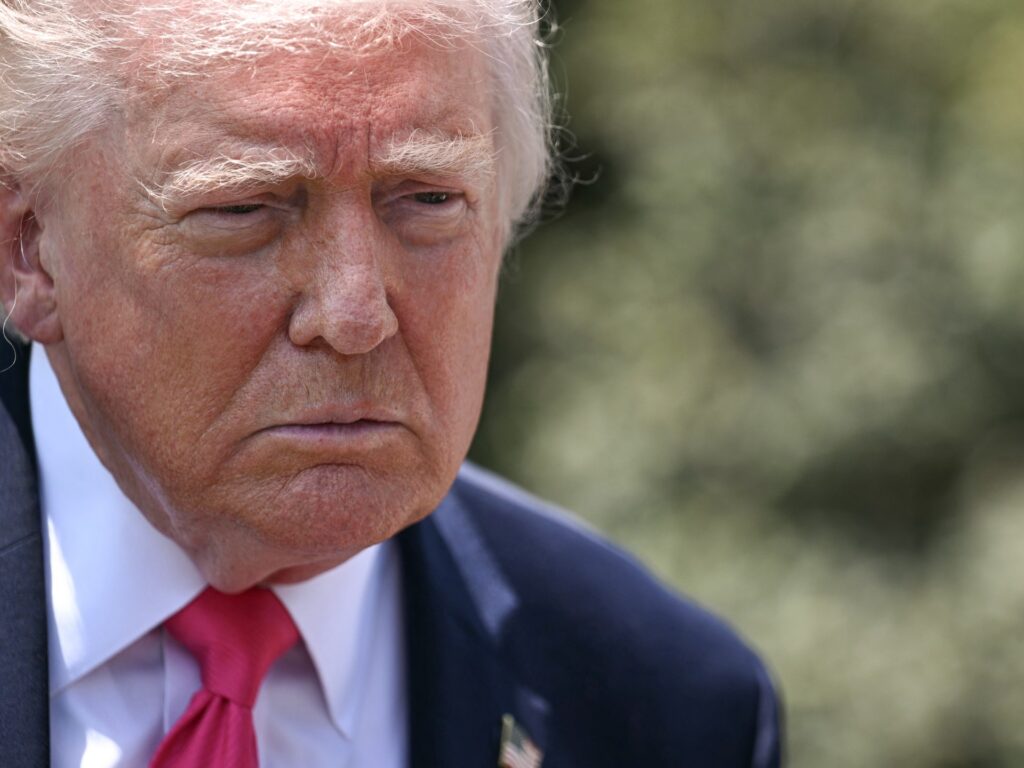
In a bold and controversial statement, former US President Donald Trump announced that American forces successfully seized an Iranian-flagged cargo ship named Touska. According to Trump, the ship attempted to evade the ongoing US blockade in the strategic Strait of Hormuz, a critical chokepoint for global oil shipments.
Trump detailed that US forces disabled the Touska by “blowing a hole” in its engine room, effectively stopping the vessel from progressing. The former president’s claim highlights the continuing tensions between the United States and Iran over control and influence in the Persian Gulf region.
The Strait of Hormuz, through which a significant portion of the world’s petroleum passes, has long been a flashpoint. Both nations have previously engaged in confrontations over naval and shipping freedom here, with the US enforcing sanctions and blockades aimed at curbing Iranian oil exports.
This incident, if confirmed, marks a significant escalation in the maritime conflict between the two countries. The US blockade aims to limit Iran’s ability to utilize international waters for its economic activities, a measure Tehran has consistently condemned.
The seized vessel, Touska, was reportedly transporting cargo at the time of interception. The specifics of the cargo and the circumstances leading to the disabling of the ship’s engine room have not been independently verified.
International observers are closely monitoring the situation, concerned about the potential for further escalation that could disrupt global oil markets and increase instability in the region.
Iran has not yet officially responded to the claims by Trump. Historically, Iranian authorities have condemned such US operations as violations of international law and an act of aggression.
The United States maintains that its actions are in accordance with international maritime law and are necessary to uphold sanctions and protect regional security interests.
This development adds another chapter to the ongoing geopolitical struggle in the Persian Gulf, where multiple stakeholders seek to assert influence amid complex alliances and rivalries.
Global leaders and organizations are calling for restraint and dialogue to prevent further deterioration of the already fragile peace in the critical maritime corridor.
The situation underscores the fragile balance of power in the Gulf region, where maritime security directly impacts international trade and energy supplies.
Experts warn that repeated confrontations like this risk escalating into broader conflict, with severe consequences for regional stability and global economic security.
This incident will likely prompt renewed diplomatic considerations and potentially new measures from the US and its allies concerning Iran and maritime security.
The Trump administration’s stance on Iran has been characterized by maximum pressure tactics, including sanctions, military posturing, and strategic blockades like the one at Hormuz.
While the exact details of the Touska interception remain to be fully disclosed, the event symbolizes the broader struggle over freedom of navigation and security in a vital global waterway.
As tensions remain high, the international community watches closely, hoping for a peaceful resolution to a conflict with significant ramifications beyond the immediate region.