The emergence of Israel’s ‘Yellow Line’ in Lebanon has sparked significant controversy and raised alarming concerns regarding the sanctity of the 2006 Israel-Lebanon ceasefire agreement. This so-called ‘Yellow Line’ refers to a temporary military demarcation zone that Israel has reportedly established within Lebanese territory. While officially presented as a short-term tactical measure, many observers and Lebanese officials fear that it may signal a creeping and longer-term military occupation that could destabilize the region further.
Background and Context
The 2006 ceasefire, mediated by the United Nations, ended the intense 34-day war between Israel and Hezbollah, a Lebanese militant group. Central to the agreement was the respect for Lebanese sovereignty and the prohibition of armed incursions. The UN Security Council Resolution 1701 delineated clear boundaries aimed at preventing further hostilities, with the UN Interim Force in Lebanon (UNIFIL) tasked with monitoring compliance.
The ‘Yellow Line’ Issue
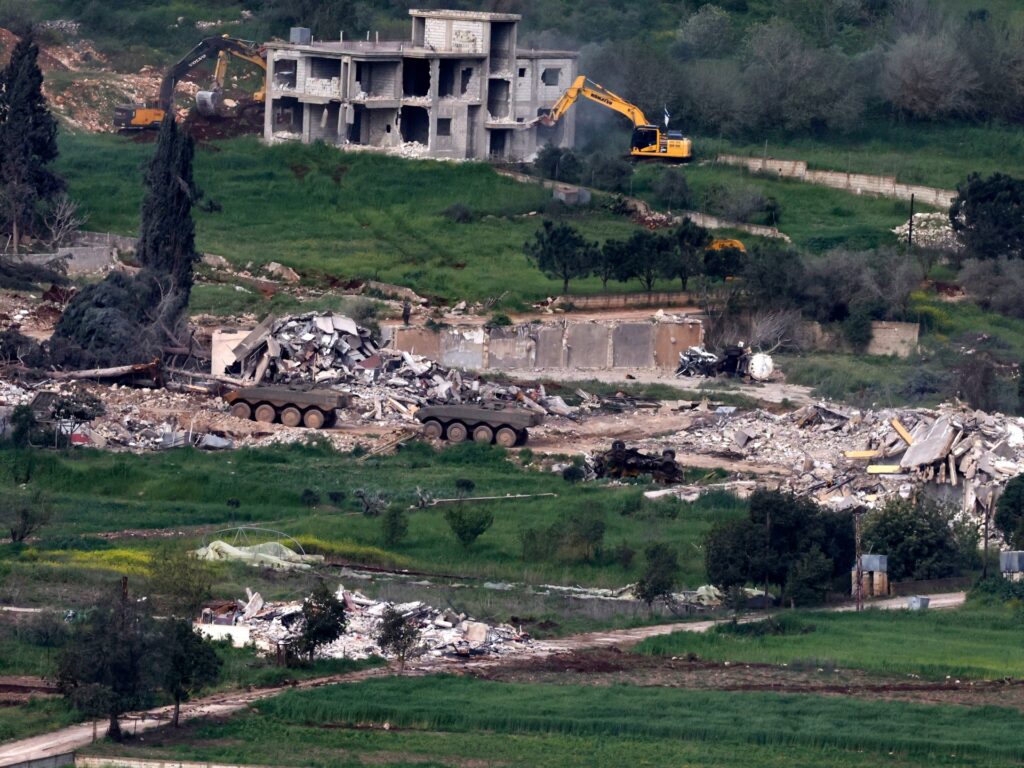
Israel’s establishment of the ‘Yellow Line’ within Lebanon is being viewed by many as a violation of this ceasefire framework. The line marks an area beyond Israel’s internationally recognized border that Israeli forces have used for military operations and surveillance. While Israel justifies the move on security grounds, citing the need to counteract Hezbollah’s presence and activities, the unilateral nature of this move undermines the ceasefire’s spirit.
Implications for Lebanese Sovereignty
Lebanese officials and experts argue that the ‘Yellow Line’ infringes on Lebanon’s territorial integrity, as it effectively carves out a zone under Israeli control without Lebanese consent. This has fueled nationalist sentiments and the perception of new occupation, which could escalate tensions. Additionally, the temporary nature of the zone is viewed skeptically, with fears it may become permanent.
Role of UNIFIL and International Community
The UNIFIL troops stationed in southern Lebanon have been placed in a challenging position as they attempt to monitor the situation and prevent escalation. Despite efforts to mediate and engage both parties, the presence of the ‘Yellow Line’ complicates their mandate. International diplomats have called for dialogue and strict adherence to the ceasefire terms to avoid further conflict.
Security Concerns and Regional Stability
Israel maintains that the ‘Yellow Line’ is essential for its national security to monitor and prevent Hezbollah’s rearmament and activities. However, critics argue that such unilateral actions undermine trust and fuel cycles of violence. The risk of provoking confrontations could have wider repercussions, involving other regional actors and impacting the fragile stability in the Levant.
Historical Parallels and Future Prospects
The ‘Yellow Line’ episode echoes previous instances where temporary military arrangements led to prolonged conflicts and territorial disputes. The situation demands proactive diplomacy and confidence-building measures to ensure that the ceasefire holds and to prevent further militarization of the border.
Conclusion
While Israel’s security concerns are recognized, the establishment of the ‘Yellow Line’ within Lebanese territory raises critical questions about the durability of the 2006 ceasefire and respect for Lebanon’s sovereignty. Moving forward, transparent dialogue among Israel, Lebanon, the UN, and international stakeholders is imperative to address grievances and maintain regional peace. The hope remains that temporary tactical measures do not evolve into permanent division, thereby preserving the possibility of long-term coexistence and stability in the region.