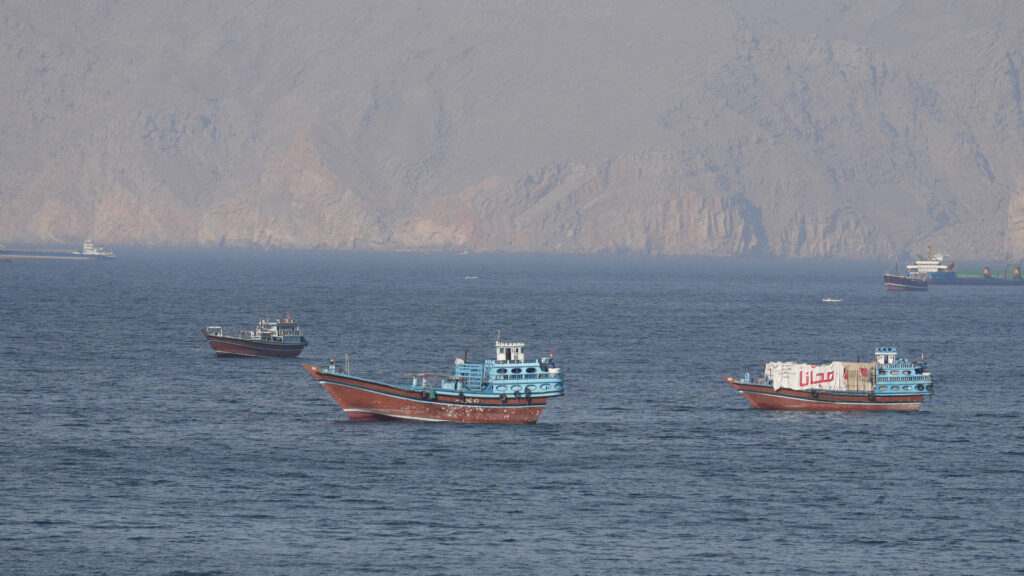
Ships and tankers in the Strait of Hormuz off the coast of Musandam, Oman, April 18, 2026. REUTERS
In a significant escalation of tensions in the Persian Gulf, Iran has issued a stern warning that it will keep the Strait of Hormuz closed unless the United States lifts what Tehran calls the ‘US siege’ on its ports. This announcement comes amid growing friction between Iran and the US, highlighting the critical geopolitical importance of the Strait.
The Strait of Hormuz is a vital waterway through which a significant portion of the world’s oil supply is transported, making any disruption potentially catastrophic for global energy markets. Iran’s strategic threat to shut down the passage is a response to what it terms as aggressive US sanctions and naval blockades targeting Iranian ports, which Tehran argues amount to an economic siege.
Iranian officials contend that the continued US restrictions are strangling its economy and infringing on its sovereignty. They argue that as long as these sanctions and blockades remain in place, Iran will consider the closure of the Strait as a legitimate measure to protect its national interests.
The United States, meanwhile, has maintained that its sanctions are aimed at curbing Iran’s nuclear ambitions and regional influence. Washington denies any intent to blockade Iranian ports but insists on the need to enforce international laws and sanctions to prevent the proliferation of nuclear weapons.
Global powers have expressed concern over the escalating rhetoric, fearing that conflict in this narrow, strategic waterway could disrupt global oil supplies and trigger broader military confrontations in the Middle East.
Industry analysts warn that sustained closure of the Strait of Hormuz would not only increase oil prices but could also prompt shifts in global trade routes and energy supply chains. The region’s delicate balance is now under intense scrutiny as diplomatic efforts intensify to de-escalate tensions and avoid a potential crisis.
The Iranian stance underscores the broader geopolitical stalemate between Tehran and Washington, illustrating how economic sanctions and military presence in strategic areas can lead to heightened conflict risks. The international community remains watchful, urging dialogue and negotiation to ensure the safe passage through one of the world’s most crucial maritime chokepoints.
In conclusion, Iran’s warning to keep the Strait of Hormuz shut unless the US lifts its so-called ‘siege’ on Iranian ports marks a pivotal moment in Middle East geopolitics, with significant implications for international security and energy markets worldwide.