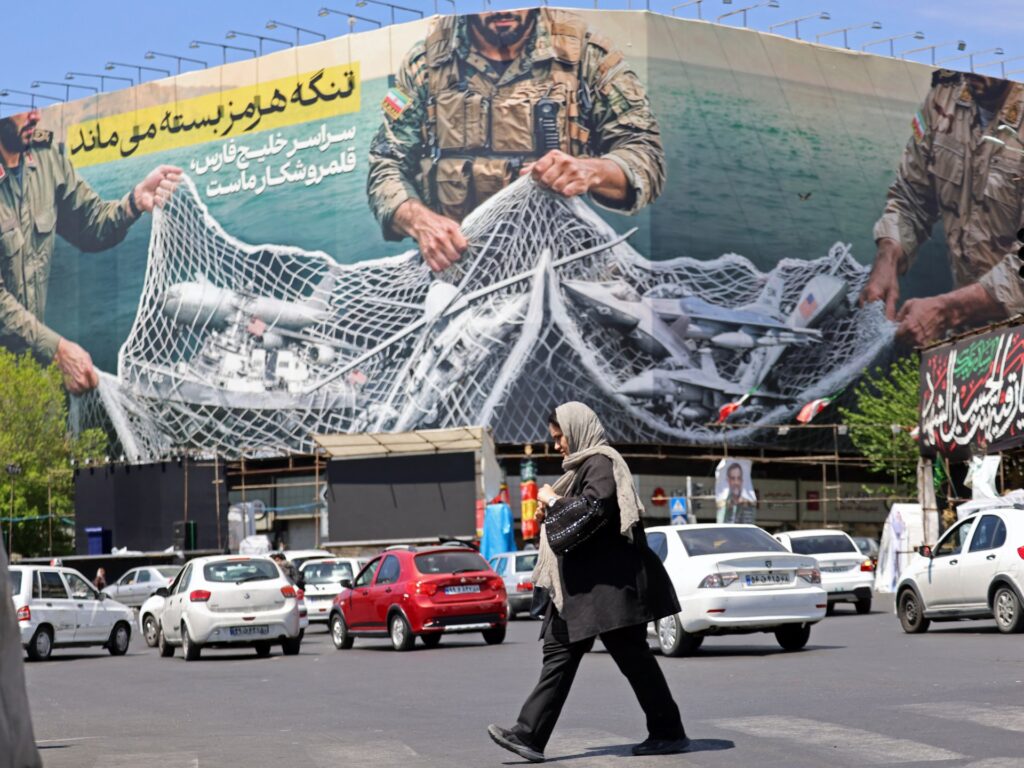
Tensions between Iran and the United States remain high, with no immediate resolution in sight concerning the ongoing impasse in the Strait of Hormuz. Tehran has stated it is ‘fully prepared’ for any renewed hostilities from the US, a remark made by Iran’s parliament speaker, Mohammad Bagher Ghalibaf.
The Strait of Hormuz, a strategic and narrow waterway crucial for global oil shipments, has long been a flashpoint in US-Iran relations. Recent escalations have only intensified concerns over regional stability and global economic impacts.
Ghalibaf’s comments highlight Iran’s readiness amid heightened rhetoric and military posturing. “We are fully prepared for the US to resume hostilities at any moment,” he said, signaling that Iran remains vigilant and resolute in defending its interests.
Despite ongoing diplomatic efforts, officials from both sides acknowledge that a breakthrough remains elusive. The US continues to maintain economic sanctions and military presence in the region, while Iran insists on its right to navigate and control strategic waterways.
The impasse has raised alarms internationally, as the Strait of Hormuz is a critical channel through which approximately 20% of the world’s petroleum passes. Disruptions here can lead to spikes in oil prices and ripple effects across global markets.
Analysts note that diplomatic channels are strained, with mutual distrust posing a significant barrier to meaningful negotiations. Previous efforts to ease tensions, including talks under international frameworks, have yet to yield concrete results.
Iran’s stance is further complicated by its domestic political environment and regional alliances. The leadership is keen on projecting strength, both to its population and to international observers, while navigating pressure from US allies in the Middle East.
Meanwhile, the US government continues to emphasize the importance of freedom of navigation in international waters and the protection of its interests and allies in the region. Military exercises and freedom of navigation operations near the Strait are expected to continue, underscoring the ongoing strategic contest.
The international community calls for restraint and renewed dialogue to prevent any military flare-ups that could destabilize the entire Persian Gulf region. Both sides have much at stake in maintaining a fragile balance, with the potential costs of conflict being extraordinarily high.
As the situation stands, Tehran and Washington appear far from any immediate breakthrough. The weeks and months ahead will be critical in determining whether diplomacy can prevail or if hostilities may escalate, with profound implications for regional and global peace and security.