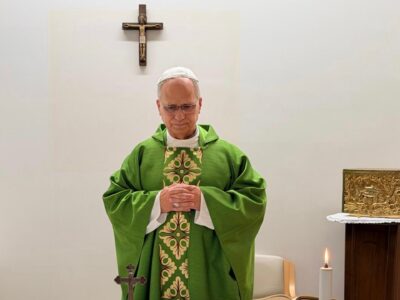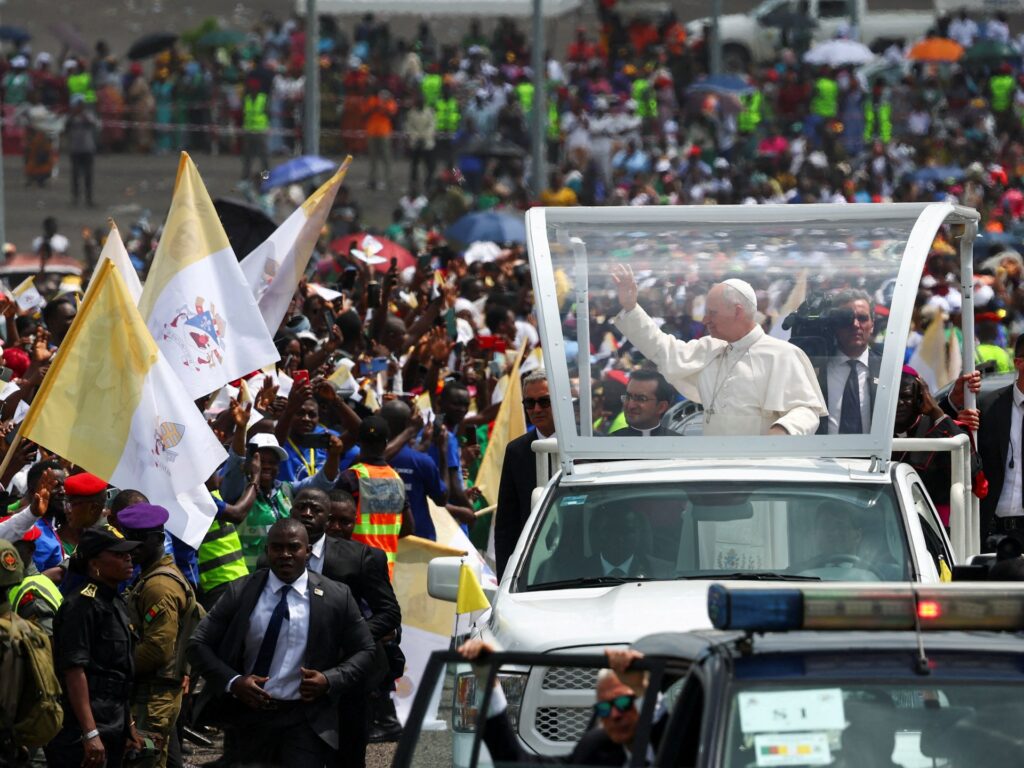
Pope Leo is set to make a significant visit to Angola, marking the pontiff as the third pope to visit this fossil fuel-rich African nation. His predecessors, John Paul II in 1992 and Benedict XVI in 2009, previously embarked on pilgrimages to Angola, solidifying its importance within the Catholic Church’s outreach and global diplomatic endeavors.
This trip stands out not only because of its historical context but also due to the current political atmosphere surrounding global energy politics and diplomatic relations. Despite speculation, Pope Leo has clarified that his visit will not seek to initiate any “new debate” with former U.S. President Donald Trump.
Trump had previously sparked controversies regarding fossil fuels during his tenure, and some observers expected the Pope to address these issues or engage with U.S. political figures regarding energy and climate policies. However, Pope Leo’s approach is focused on pastoral care, peace efforts, and strengthening ties with the local Catholic community rather than international political debates.
Angola, a key player in the global fossil fuel market, faces various challenges including poverty, economic development, and environmental sustainability. The pope’s visit is expected to highlight these social concerns and encourage dialogue on sustainable development without becoming entangled in geopolitical tensions.
The significance of papal visits to Angola cannot be understated. John Paul II’s 1992 visit occurred during a period of civil unrest, aiming to promote peace and reconciliation. Benedict XVI’s 2009 mission involved fostering spiritual renewal and addressing health and education issues.
Pope Leo’s visit is anticipated to continue this legacy, emphasizing spiritual guidance while acknowledging modern challenges Angola faces. His message is expected to inspire hope and solidarity among Angolans, urging collaborative efforts to overcome adversity.
In recent years, Angola’s relationship with the Catholic Church has grown stronger, with the Church playing a vital role in social services and advocacy. The Pope’s presence reinforces the Church’s commitment to this partnership.
Moreover, the visit represents an opportunity for the global Catholic community to witness the resilience and faith of Angolan Catholics, many of whom live in difficult conditions yet remain steadfast in their beliefs.
While international media speculated about potential political rhetoric, Pope Leo’s clear stance avoids controversies, aiming instead to build bridges and focus on humanity’s shared values.
His message will likely stress the importance of care for creation, echoing previous popes’ calls for environmental stewardship, particularly pertinent in a country heavily reliant on fossil fuels.
This visit may also nurture dialogues on poverty alleviation, education access, and healthcare improvements, critical issues for Angola’s sustainable future.
Pope Leo’s tour through Angola will include meetings with government officials, religious leaders, and ordinary citizens, fostering inclusivity and unity.
The timing of the trip coincides with Angola’s efforts to diversify its economy and improve international relations, making the papal visit symbolically significant.
In conclusion, Pope Leo’s Angola visit is a historic and pastoral mission, reinforcing the Church’s longstanding commitment to peace, social justice, and care for the environment. It underscores the papacy’s role in addressing global challenges through compassion and dialogue rather than political confrontation, notably by avoiding engaging in any new debates with Trump or his administration. This trip is a reaffirmation of faith and hope for the people of Angola and beyond.