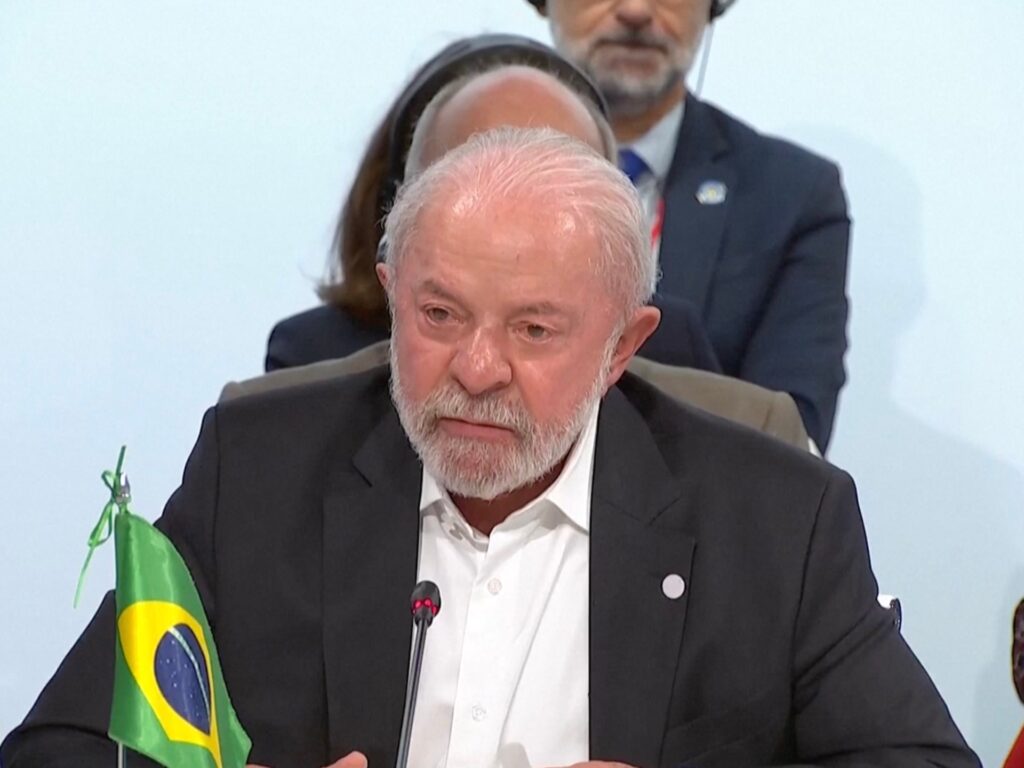
In a striking condemnation, the President of Brazil has labeled the five permanent members of the United Nations Security Council (UNSC) as “Lords of War.” This bold statement reflects growing criticism and frustration towards the UNSC’s role and actions in global conflicts.
The UNSC is comprised of five permanent members: the United States, the United Kingdom, France, Russia, and China. These countries hold significant power within the UN framework, including veto power over Security Council resolutions. The President’s comment underscores accusations that these nations often perpetuate conflict rather than resolve it, acting in self-interest and maintaining dominance in matters of international peace and security.
This declaration came amid ongoing debates about the Security Council’s effectiveness in addressing global conflicts, peacekeeping missions, and issues such as nuclear proliferation and human rights abuses. Critics argue that the permanent members have often been involved in or supported military interventions that escalate violence rather than promote peace.
The President of Brazil’s statement aligns with calls from various member states and global observers who advocate for reforming the UNSC to make it more democratic and representative of the current geopolitical realities. Suggestions include expanding membership to include emerging powers and regional leaders, reducing veto power, and increasing transparency and accountability.
The term “Lords of War” highlights perceptions of these nations as powerful actors with disproportionate influence, often driving international military engagement and arms sales, thus contributing to prolonged conflicts worldwide. Brazil’s President emphasized the need for the UNSC to prioritize diplomatic solutions and uphold international law instead of resorting to force.
This condemnation sparked discussions within the international community about the future of global governance and the United Nations’ role in maintaining peace. It also reflects Brazil’s positioning as a vocal advocate for multilateralism, international law, and a more equitable global order.
The President’s remarks have been met with mixed reactions. Some applaud the frank critique and the call for change, while others defend the Security Council’s role as a necessary instrument for maintaining global stability. Regardless, the statement adds momentum to arguments for comprehensive UNSC reform.
The debate over the Security Council’s composition and power structure continues to be a critical issue in international relations. Brazil’s President’s description of the permanent members as “Lords of War” serves as a stark reminder of the challenges facing the United Nations in fulfilling its mission of peace and security in a complex and often turbulent world.