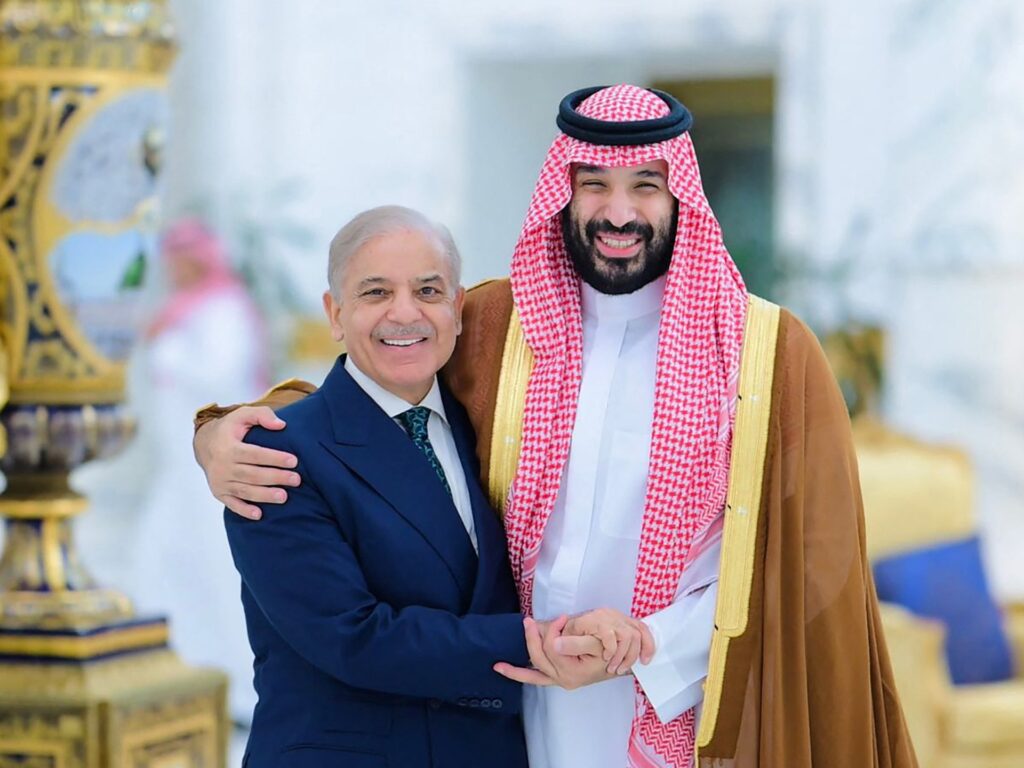
In a significant diplomatic push aimed at advancing dialogue between the United States and Iran, Pakistan’s Prime Minister Shehbaz Sharif and Army Chief General Asim Munir have recently completed key foreign visits. General Munir departed Tehran after engaging in strategic discussions, while Prime Minister Shehbaz Sharif returned from Turkiye with hopes of facilitating another round of talks between the two nations.
General Asim Munir’s visit to Tehran marked a continuation of Pakistan’s efforts to serve as a mediator in the tense relations between the US and Iran. During his visit, Munir held discussions with Iranian military and political leaders, seeking common ground and exploring avenues to reduce hostilities.
Concurrently, Prime Minister Shehbaz Sharif’s trip to Turkiye was oriented towards garnering regional support and finding diplomatic leverage to encourage renewed negotiations. His meetings underscored Pakistan’s intention to act as a proactive player in promoting peace and stability in the region.
The visits come amid heightened global attention on the standoff between the US and Iran, especially concerning nuclear negotiations, regional security, and sanctions. Pakistan, sharing borders and maintaining historically complex ties with both countries, has positioned itself as a potential bridge-builder.
Observers suggest that these diplomatic efforts by Pakistan’s leadership aim not only to de-escalate tensions but also to boost Pakistan’s standing as a key regional actor capable of influencing international affairs. The joint push reflects Islamabad’s strategic calculus in leveraging its diplomatic channels and military influence.
The hope is that the groundwork laid by these visits will facilitate another productive round of US-Iran talks, potentially opening new pathways toward resolving longstanding conflicts and fostering a more stable regional environment.
Pakistan’s dual approach—melding political diplomacy with military engagement—highlights the multifaceted strategies often employed in international negotiations. As both leaders have returned home, analysts await further developments and any concrete outcomes that might indicate progress in the protracted US-Iran dialogue.
Ultimately, these diplomatic missions underscore Pakistan’s commitment to playing a constructive role amid complex international dynamics while seeking to safeguard its national interests and regional security.
In summary, the recent trips by Prime Minister Shehbaz Sharif to Turkiye and Army Chief Asim Munir to Tehran represent a concerted effort by Pakistan to catalyze renewed US-Iran talks, with hopes that these engagements may pave the way for improved dialogue and reduced tensions in a critical region.