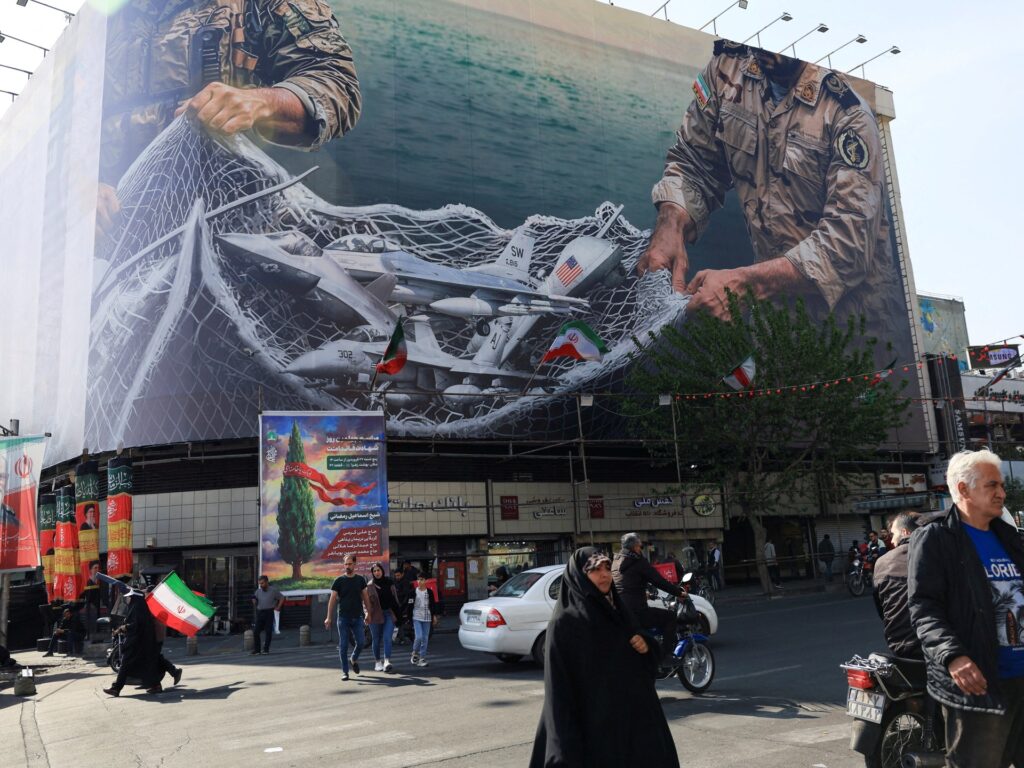
Tensions in the Middle East have escalated significantly with Tehran announcing the shutdown of the strategically vital Hormuz Strait, citing US ‘piracy’ as the cause. This latest development adds to the complex and volatile situation in the region.
The Strait of Hormuz is a critical maritime passage through which a significant portion of the world’s oil supply is transported. Its closure has immediate implications for global energy markets and regional security.
Iranian officials claim that the United States has engaged in actions they describe as ‘piracy’ around the Strait, prompting Tehran to take drastic defensive and retaliatory measures. Details on the nature of these alleged US actions remain sparse, but Iranian state media emphasize the seriousness of these claims.
Meanwhile, in Lebanon, there is a glimmer of relief as a ceasefire has taken effect after intense Israeli attacks that led to the displacement of tens of thousands of people. The first day of the ceasefire has seen many of these displaced individuals beginning to return home, cautiously hopeful for stability.
The Israeli military campaign in Lebanon had aimed at curbing militant activities but resulted in significant civilian displacement and infrastructure damage. The ceasefire offers a brief pause in the hostilities, allowing humanitarian aid and reconstruction efforts to commence.
These concurrent developments highlight the fragile nature of peace and security in the Middle East. The closure of the Hormuz Strait by Iran could escalate tensions with the West and potentially disrupt international trade and energy supply chains.
Analysts warn that a prolonged shutdown could lead to increased oil prices globally and heightened military presence by global powers in the region. Diplomatic channels are likely to be tested severely in the coming days as stakeholders seek to de-escalate the situation.
For civilians caught in the crossfire, the ceasefire in Lebanon offers a respite and a chance to rebuild their lives. Nonetheless, the underlying issues fueling conflict in the region remain unresolved, and the potential for renewed fighting remains.
The international community has called for restraint from all parties involved and urged a return to negotiations to avoid further deterioration of the situation. The importance of securing the Hormuz Strait as a safe passage is being emphasized urgently.
In sum, the Middle East stands at a precarious juncture with Iran’s strategic move to close the Hormuz Strait and the fragile ceasefire in Lebanon marking a complex web of conflict and attempts at peace. The world watches closely as these dynamics unfold, with hopes that diplomacy will prevail over confrontation.