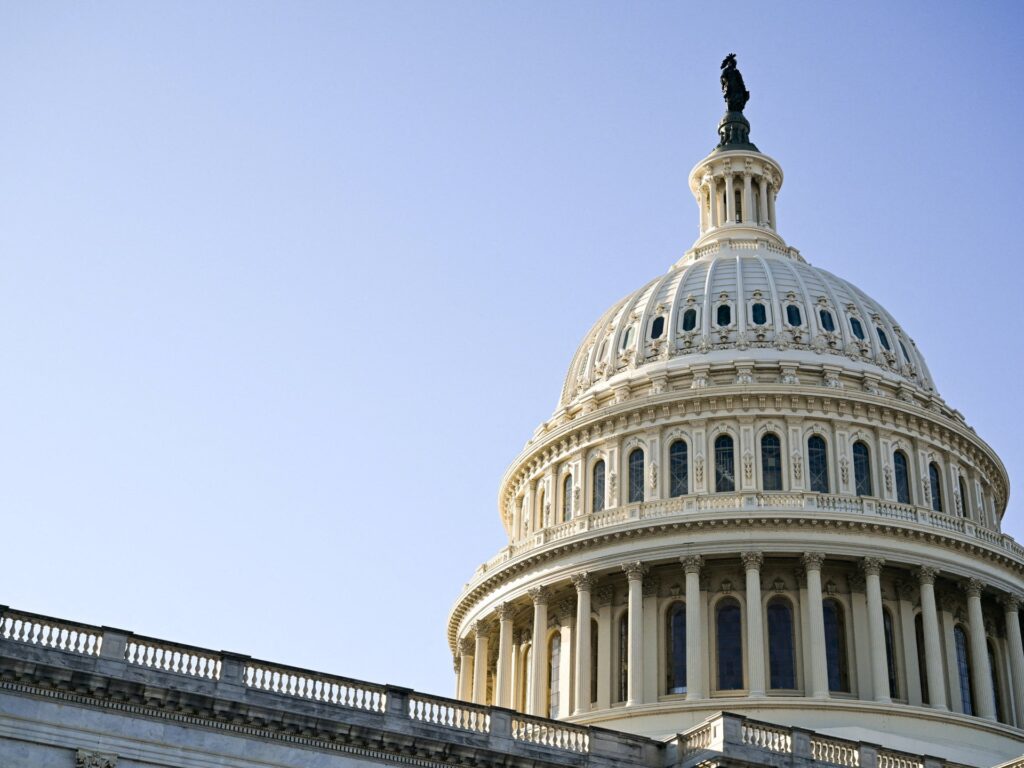
The US Congress has temporarily extended a contentious surveillance provision under the Foreign Intelligence Surveillance Act (FISA), sparking renewed debate over privacy and security. This measure has been criticized by many civil liberties advocates for enabling US intelligence agencies to collect data on American citizens without requiring a warrant, raising significant concerns about the balance between national security and individual rights.
FISA, originally enacted in 1978, is intended to provide procedures for the surveillance and collection of foreign intelligence information between foreign powers and agents of foreign powers. However, a specific authority under Section 702 has allowed the government to collect vast amounts of communications data from US citizens incidentally during foreign surveillance operations. This practice has been a flashpoint for privacy advocates who argue it undermines constitutional protections.
The temporary extension was included as part of a broader legislative package, allowing intelligence agencies to continue surveillance while lawmakers debate the future of these powers. Critics assert that the lack of a warrant requirement means that innocent citizens’ communications can be swept up without sufficient judicial oversight, leading to potential abuse.
Supporters of the extension emphasize the importance of these tools in preventing terrorism and safeguarding national security. They argue that intelligence agencies operate under strict guidelines and oversight from multiple branches of government to ensure responsible use of surveillance capabilities.
The debate over FISA’s surveillance authorities has been ongoing for years, highlighting the tension between effective intelligence gathering and preserving civil liberties. Previous attempts to reform Section 702 have encountered resistance from various political factions, leaving the law’s future uncertain.
Many civil rights organizations have called for stronger protections, including requiring a warrant for the collection of data on US persons and enhanced transparency about surveillance activities. Meanwhile, some lawmakers insist that any curtailment of intelligence-gathering powers could hinder efforts to identify and prevent security threats.
As this temporary extension provides a brief reprieve, Congress faces mounting pressure to address the controversy in a more permanent fashion. The outcome will likely have significant implications for privacy rights, intelligence operations, and the balance of power within the US government.
This development marks another chapter in the ongoing struggle to define the appropriate scope of government surveillance in the digital age, where technology enables unprecedented access to communication data and challenges traditional notions of privacy and oversight.