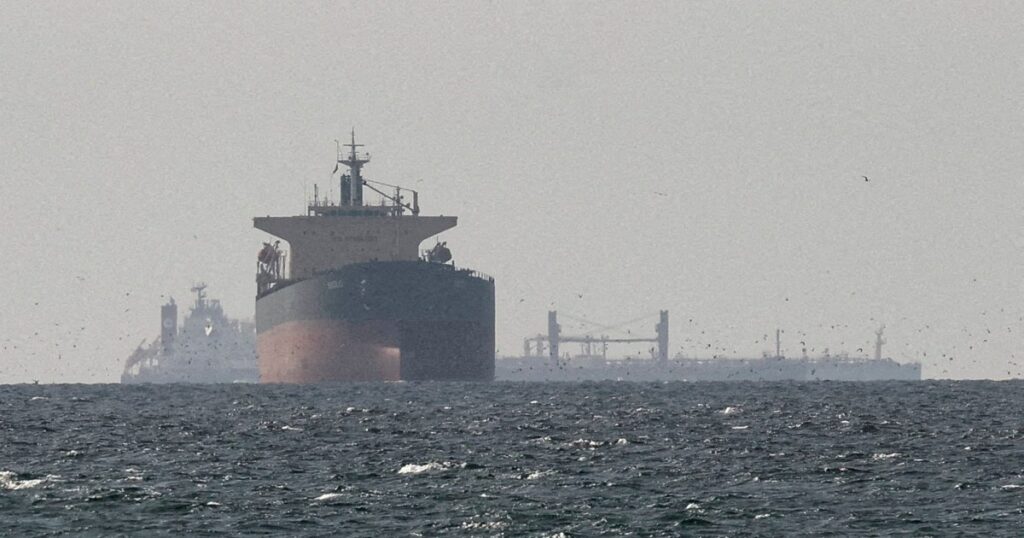
The reopening of the Strait of Hormuz has prompted a wave of reactions from world leaders, industry experts, and geopolitical analysts following a period of heightened tensions between the United States and Iran. The vital waterway, a strategic chokepoint through which about a fifth of the world’s petroleum passes, experienced significant throttling of maritime traffic in recent weeks, leading to a sharp spike in global oil prices and causing international concern over energy security and geopolitical stability.
The conflict between the US and Iran escalated with naval skirmishes and threats of closing the strait, which raised fears of a major disruption to the global oil supply chain. The temporary closure and restricted passage severely impacted shipping companies and traders, pushing crude prices to multi-month highs and alarmingly volatile markets.
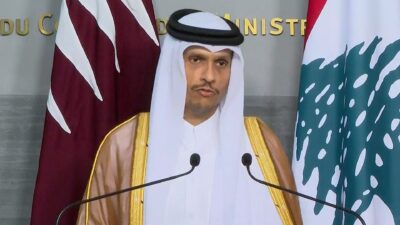
With the Strait’s reopening, several governments and international bodies quickly issued statements expressing relief and hope for de-escalation. Officials from oil-importing nations, particularly in Asia and Europe, emphasized the importance of unobstructed access to the passage for maintaining steady energy supplies and market stability.
Industry leaders welcomed the move, noting that the reopening would help stabilize freight costs and reduce insurance premiums that had surged during the restricted period. Analysts predict that the normalization of shipping routes through the Strait will gradually ease the pressure on oil prices, although uncertainties remain given the fragile diplomatic relations in the region.
The US government highlighted that ongoing diplomatic efforts aim to prevent future closures, with a focus on dialogue and conflict resolution to protect vital international trade routes. Similarly, Iranian representatives reiterated their willingness to engage in talks, acknowledging the economic ramifications of maritime disruptions.
Economic experts warn that while the Strait’s reopening is a positive development, the underlying tensions that prompted the closure remain unresolved, suggesting that vigilance and diplomatic engagement are crucial to preventing future crises.
The global energy market responded to the news with a dip in crude oil prices as traders absorbed the impact of resumed traffic through the passage. Shipping companies began planning the resumption of delayed routes, signaling a gradual return to normal operations.
In summary, the reopening of the Strait of Hormuz marks a critical moment in the US-Iran conflict, with the international community closely monitoring the situation. The event underscores the delicate balance between geopolitical tensions and global economic interests centered on energy security and maritime freedom.