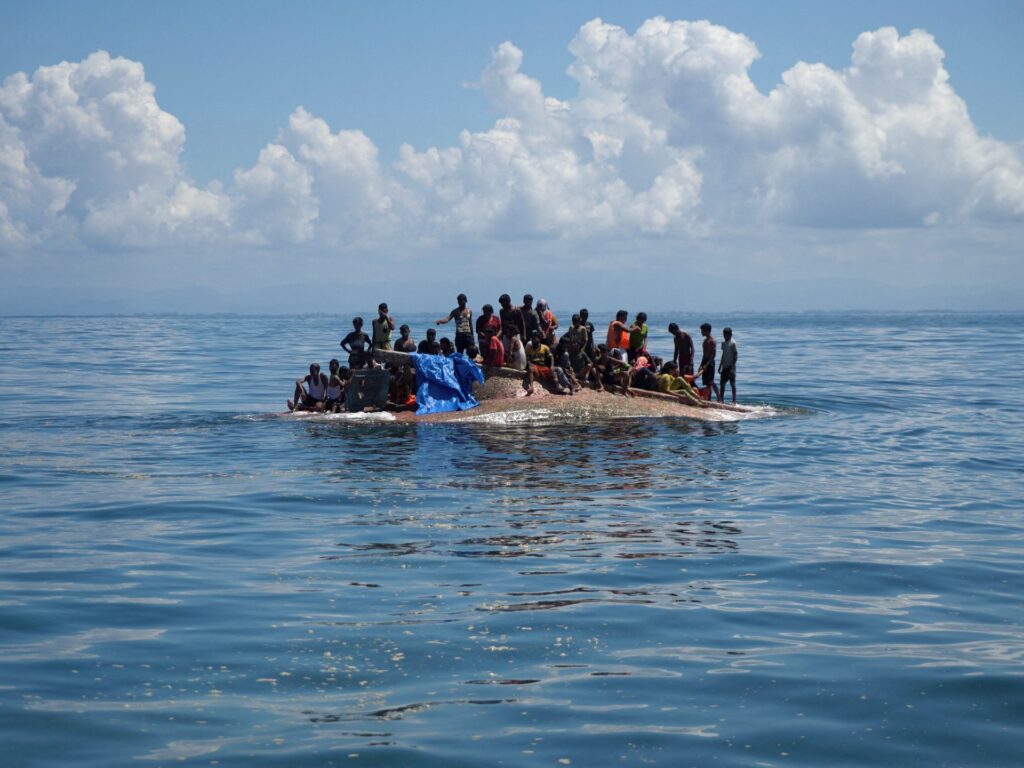
The United Nations High Commissioner for Refugees (UNHCR) has reported a tragic record number of Rohingya refugees who died at sea throughout the previous year. According to the UN refugee agency, the situation has escalated into what they describe as an “unmarked graveyard for thousands of desperate Rohingya refugees” in South Asia.
The Rohingya, a Muslim minority group from Myanmar, have been fleeing persecution, violence, and humanitarian crises in their homeland for years. Many of these refugees resort to perilous sea journeys, attempting to reach safety in neighboring South Asian countries such as Bangladesh, Malaysia, Thailand, and Indonesia.
UNHCR’s warnings highlight the dire conditions and risks faced by these refugees during their journeys. With limited access to secure travel options, many Rohingya rely on overcrowded, unsafe boats, often operated by human traffickers.
In 2023, the number of deaths among Rohingya attempting to cross the Bay of Bengal and the Andaman Sea reached unprecedented levels. The combination of dangerous sea conditions, insufficient rescue efforts, and exploitation by smugglers has contributed to this humanitarian catastrophe.
UNHCR officials have called on regional governments and the international community to strengthen search and rescue operations, provide safer migration avenues, and address the root causes of displacement for the Rohingya people.
Human rights organizations also urge increased humanitarian aid and protection efforts for Rohingya refugees stranded in camps or informal settlements under harsh living conditions.
The situation reflects broader challenges of refugee protection in South Asia, where millions are displaced by conflict, persecution, and instability. The call from UNHCR underscores the urgency for coordinated efforts to prevent further loss of life and uphold the dignity and rights of vulnerable populations.
In summary, the UNHCR report paints a grim picture of the ongoing refugee crisis in South Asia, emphasizing the tragic toll on Rohingya refugees at sea and the necessity of immediate and sustained international intervention to save lives and provide lasting solutions.