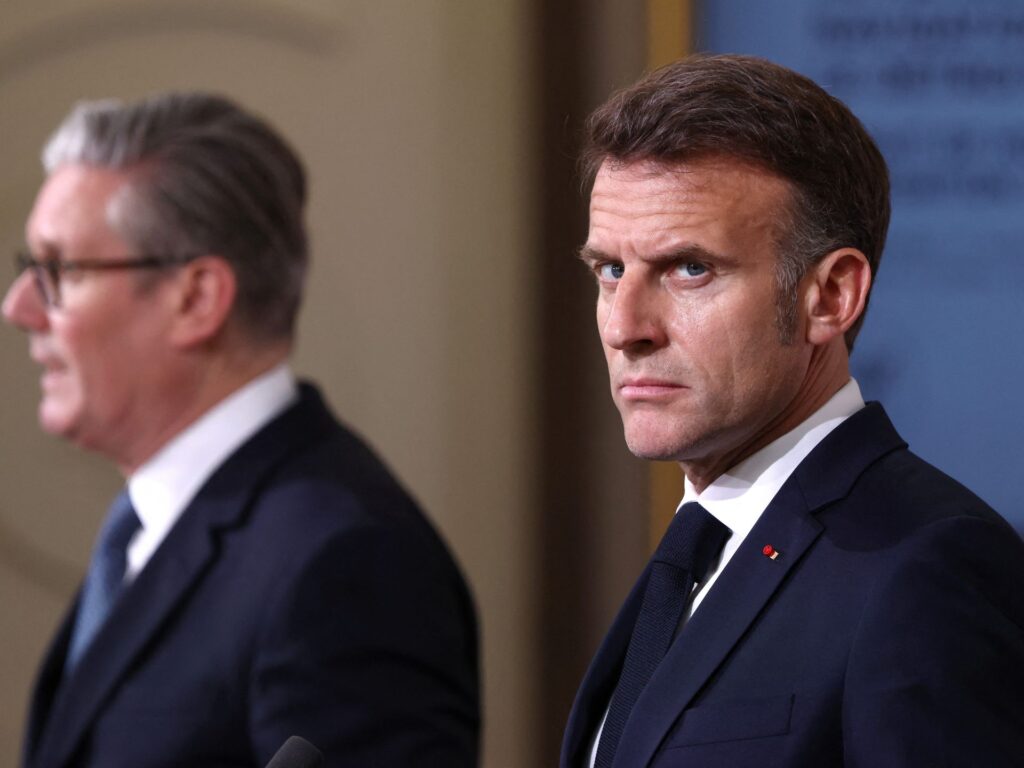
French President Emmanuel Macron has publicly welcomed the reopening of the Strait of Hormuz by Iran, a significant development in Middle Eastern geopolitics that holds worldwide maritime and economic implications. The Strait of Hormuz, a critical chokepoint through which a substantial proportion of the world’s oil shipments pass, had become a flashpoint of tension, making its reopening a gesture toward easing regional hostilities.
Macron’s statements arrived alongside his endorsement of the recent ceasefire in Lebanon, highlighting France’s active diplomatic engagement in promoting peace and stability in Lebanon and the broader Middle East region.
Despite the welcome, Macron emphasized the necessity for guarantees to ensure the free and safe passage of all vessels through the Strait, underscoring France’s concerns over maritime security and uninterrupted energy supplies. This call for assurances reflects the complex realities of international relations where openings and ceasefires are cautious steps amidst lingering tensions.
The reopening of the Strait of Hormuz follows a period in which Iran had closed the strait, drastically raising global apprehensions about oil transport disruptions. The strategic importance of the waterway cannot be overstated; nearly 20% of the world’s petroleum passes through the strait, making any interruption impactful on global oil prices and energy markets.
Macron’s demand for assurances aligns with international interests in stabilizing this vital maritime corridor. France, with its significant diplomatic influence and interests in the Middle East, advocates for multilateral oversight and measures that prevent escalations and secure navigation rights.
In Lebanon, the ceasefire comes after prolonged conflicts involving various factions. France has historically been involved in Lebanese affairs, supporting peace processes and offering humanitarian aid. Macron’s welcome of the ceasefire announcement demonstrates France’s commitment to fostering durable peace and mitigating humanitarian crises in the region.
Analysts observe that Macron’s dual focus on the Strait of Hormuz and Lebanon underlines the interconnected nature of Middle Eastern conflicts and global economic stability. The president’s stance conveys France’s strategic approach to diplomacy, blending support for peace initiatives with vigilance against threats to international maritime routes.
Looking ahead, Macron’s call for assurances implies ongoing French engagement in mediation efforts and monitoring developments closely. The international community will be watching how Iran manages the strait’s reopening and whether this marks a turning point toward reduced tensions and enhanced cooperation.
In summary, Emmanuel Macron’s responses to the reopening of the Strait of Hormuz and the Lebanon ceasefire highlight France’s dual goals of promoting regional peace and safeguarding vital global resources. His balanced approach signals a commitment to constructive dialogue, security guarantees, and sustained diplomatic involvement in resolving Middle Eastern challenges.