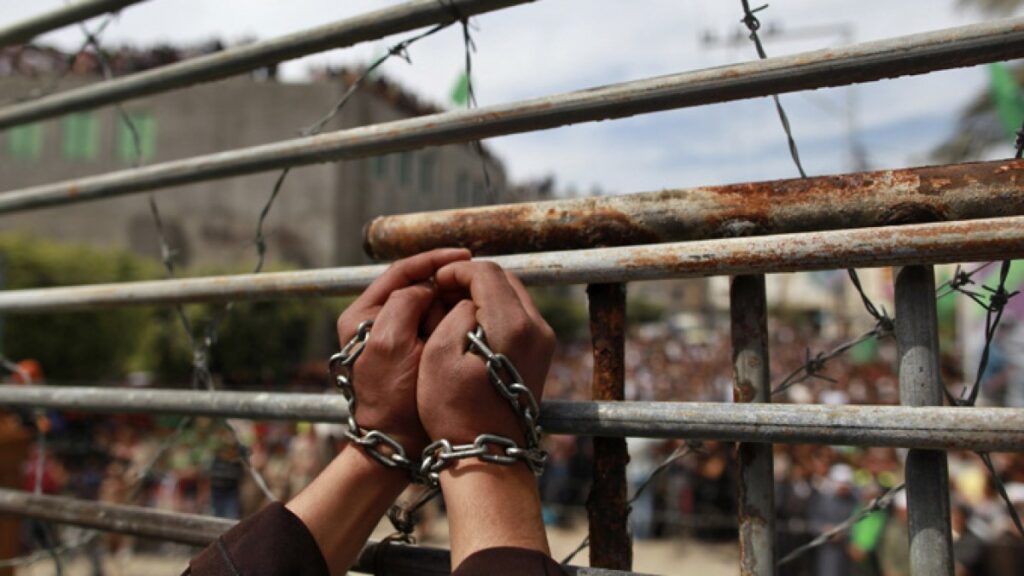
Every year on April 17, Palestinians and supporters worldwide mark Palestinian Prisoner’s Day, a day dedicated to highlighting the plight of Palestinian detainees in Israeli prisons. The day commemorates a significant historical event that took place on April 17, 1971, when thousands of Palestinian prisoners across various detention centers held a mass hunger strike demanding better treatment and protesting against their conditions of imprisonment.
On that historic day, Palestinian prisoners united in a collective act of resistance to draw international attention to the harsh realities they faced behind bars. The strike lasted for weeks and became a symbol of Palestinian resilience and resistance against occupation and injustice.
The context of Palestinian Prisoner’s Day is rooted deeply in the Israeli-Palestinian conflict. Thousands of Palestinians have been detained over the decades, often without formal charges or trials, under administrative detention policies employed by Israeli security forces. This practice has been widely criticized by human rights organizations as a violation of international law.
As of today, nearly 10,000 Palestinian men, women, and children remain imprisoned by Israeli authorities, with approximately one-third held without charge or trial. Many detainees endure harsh interrogation methods, overcrowded prisons, and inadequate medical care, conditions that have been condemned by various international human rights groups.
Palestinian Prisoner’s Day serves as a reminder of the ongoing struggles faced by these prisoners and their families. It underscores the demand for their release and calls on the international community to intervene and uphold justice and human rights.
The legacy of the 1971 hunger strike continues to inspire collective action and advocacy. Palestinian civil society groups organize rallies, educational events, and campaigns worldwide to raise awareness about the conditions of detainees and the broader implications of the occupation.
Moreover, the day galvanizes legal efforts aimed at challenging the legality of administrative detention and pushing for fair trials and humane treatment for all prisoners. It also memorializes the sacrifices made by those imprisoned and honors their courage in facing adversity.
In the broader picture, Palestinian Prisoner’s Day encapsulates the intersection of human rights, political conflict, and the struggle for national self-determination. Recognizing the day helps keep the voices of the prisoners alive and promotes a discourse grounded in justice and dignity.
Through continued emphasis on the facts and realities dating back to April 17, 1971, and beyond, the global community remains called upon to seek lasting solutions to the plight of Palestinian prisoners and, ultimately, to the Israeli-Palestinian conflict itself.