On day 49 of the ongoing US-Iran conflict, significant developments are unfolding in the Middle East, particularly with the commencement of a 10-day ceasefire in Lebanon. This ceasefire marks a critical moment of respite amid escalating tensions between the US and Iran, as regional actors seek pathways toward de-escalation and stability.
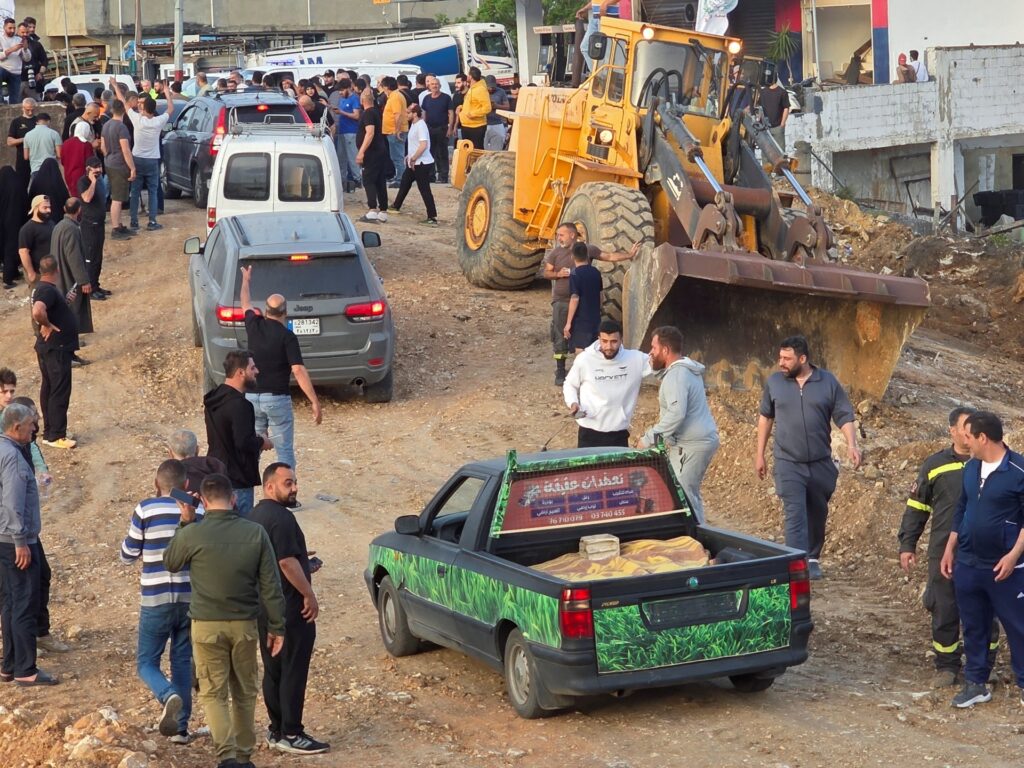
The ceasefire has triggered widespread celebrations in Lebanon, offering a much-needed pause from hostilities. Citizens and local communities have expressed hope that this lull in violence will pave the way for constructive dialogue. The ceasefire agreement is seen as an essential first step in opening negotiations aimed at reaching a longer-term peace deal between Israel and Lebanon.
Analysts believe that the ceasefire could significantly influence the broader dynamics of the US-Iran conflict. Lebanon, often a frontline state in regional conflicts involving Iran and its adversaries, could serve as a pivotal area for peace-building efforts. The suspension of hostilities allows for humanitarian aid and rebuilding efforts, which have been severely impacted by ongoing clashes.
Meanwhile, the US and Iran remain entrenched in their conflict, with diplomatic and military tensions persisting. However, the developments in Lebanon suggest that regional players are actively seeking mechanisms to limit the conflict’s spread and to negotiate terms for sustainable peace.
International observers have welcomed the ceasefire as a positive sign but caution that many challenges remain. The success of the ceasefire and subsequent talks will depend on the commitment of all parties involved, including militant groups and regional powers aligned with Iran and Israel.
The Lebanon situation underscores the broader complexity of the US-Iran conflict. While direct confrontations continue, indirect negotiations and ceasefires in neighboring countries could serve as templates for wider conflict resolution initiatives in the Middle East.
As the 10-day ceasefire progresses, global attention will focus on the talks it enables. Stakeholders hope that this temporary truce will foster trust and lead to a durable agreement that can prevent further violence and promote regional stability.
In conclusion, day 49 of the US-Iran conflict is marked by a hopeful ceasefire in Lebanon, which could be a precursor to more comprehensive peace negotiations in the region. The coming days will be critical in determining whether this fragile peace can hold and expand into a more lasting resolution between Israel and Lebanon, potentially influencing the larger dynamics of the US-Iran hostilities.