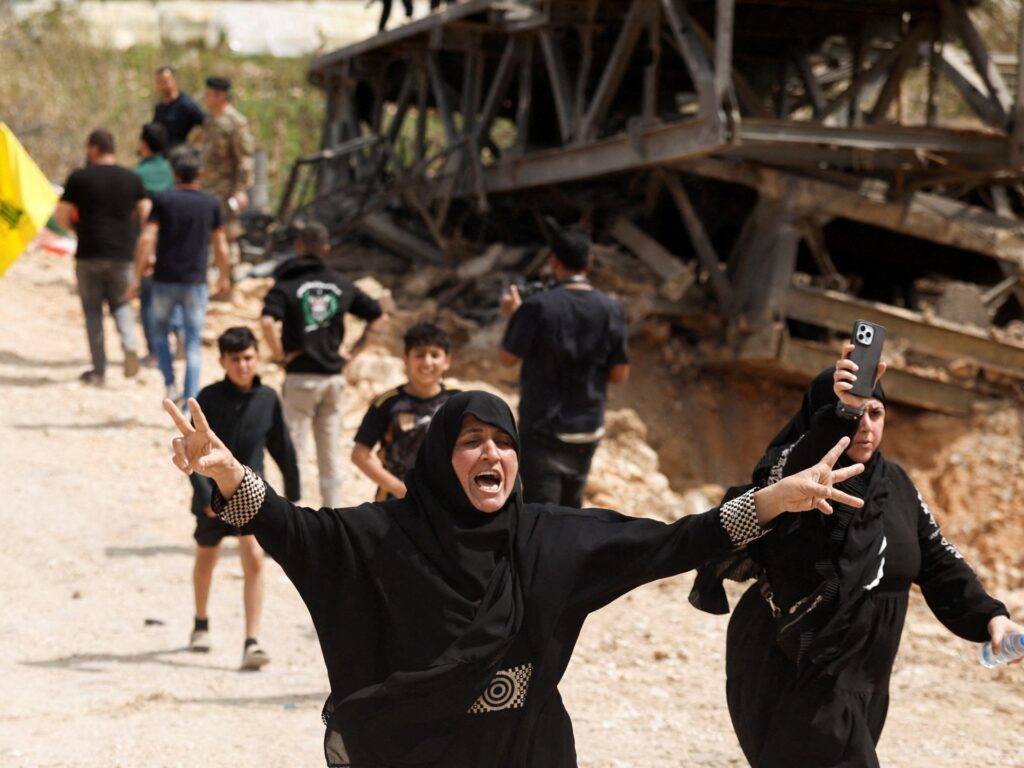
In the wake of a fragile 10-day truce, Lebanese residents of the south have begun returning to their homes, which have been devastated by recent conflict. This temporary ceasefire has provided a brief respite from the violence, allowing civilians to assess the extent of the destruction and begin the difficult process of recovery.
The region, long troubled by hostilities between Hezbollah and Israeli forces, has witnessed severe damage to infrastructure and homes, disrupting everyday life for thousands of families. The return of residents is a poignant reminder of both the human cost of the conflict and the urgent need for lasting peace.
Hezbollah, a powerful political and militant group in Lebanon, has issued a stern warning during the ceasefire period. The group declared that it has its “finger on the trigger” and remains prepared to respond decisively to any Israeli violations of the truce. This statement underscores the fragile nature of the ceasefire and the volatility of the situation on the ground.
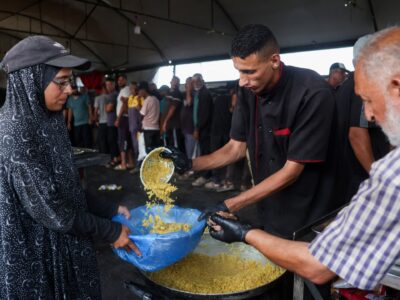
The 10-day truce aims to provide a window for relief efforts, including the delivery of humanitarian aid to affected populations and the restoration of basic services in the south. Aid organizations have expressed cautious optimism that the ceasefire will hold long enough to make a meaningful impact on the ground.
However, both sides remain on high alert, with any breaches of the truce carrying the risk of escalating violence. The international community continues to call for restraint and urges both Hezbollah and Israel to adhere strictly to the terms of the ceasefire.
The return of Lebanese civilians to their homes amidst ongoing tensions highlights the complex challenges facing the region. While the ceasefire offers a temporary break from conflict, long-term solutions remain elusive as deep-seated political and territorial disputes persist.
The humanitarian impact of the recent fighting is profound. Many families are returning to homes that have been damaged or destroyed, lacking access to essential utilities such as water, electricity, and healthcare. Reconstruction efforts are expected to require substantial support and coordination among domestic and international actors.
In the south, the local economy has suffered greatly, with agriculture and trade disrupted. Residents face an uncertain future as they navigate the immediate aftermath of conflict while hoping for sustained peace. The temporary truce, though fragile, provides a crucial opportunity for dialogue and rebuilding.
Moving forward, diplomats and peacekeepers are engaged in ongoing discussions to extend and solidify the ceasefire agreement. The stability of the region depends heavily on the success of these negotiations and the commitment of all parties involved.
In summary, the fragile 10-day truce has allowed Lebanese civilians to return to a south marked by destruction and uncertainty. Hezbollah’s warning about remaining vigilant emphasizes the precariousness of peace in the area. The coming days will be critical for maintaining calm, delivering humanitarian aid, and working towards a more durable resolution to the underlying conflict.