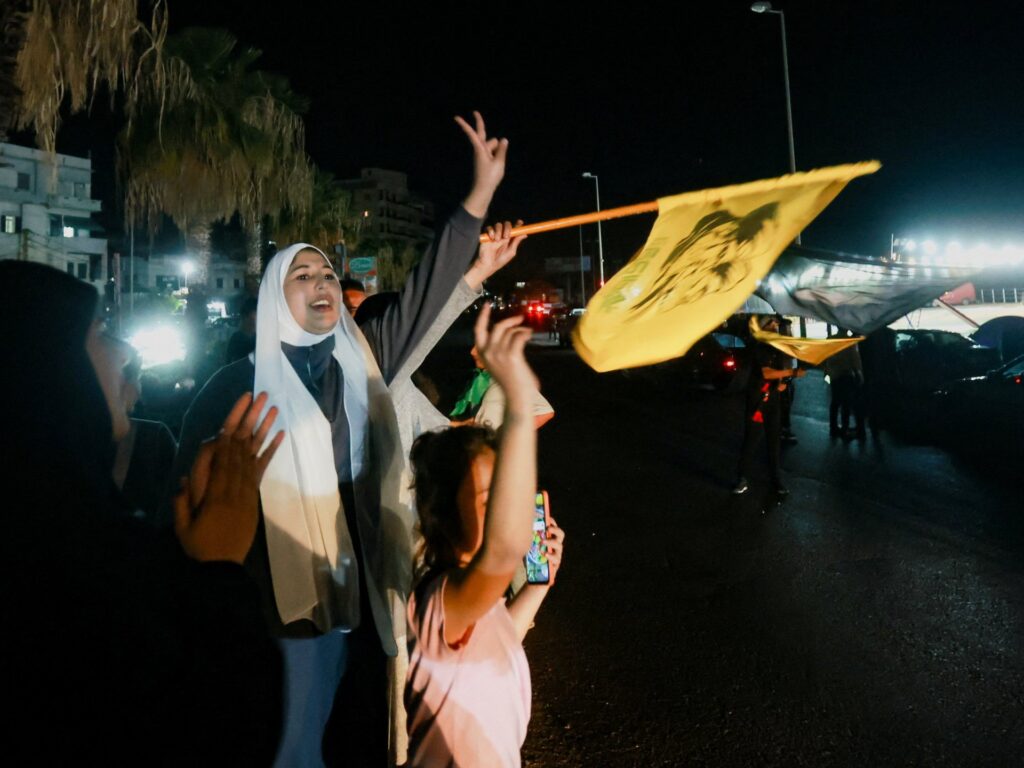
In a significant development in Middle Eastern diplomacy, US President Donald Trump announced a 10-day ceasefire between Israel and Lebanon. This ceasefire marks an important attempt to de-escalate ongoing tensions and violence between the two neighboring countries.
The announcement came after periods of heightened conflict that have drawn international concern. Both Israel and Lebanon have experienced frequent clashes along their border, resulting in casualties and broader regional instability. The temporary cessation of hostilities is intended to provide a window of peace during which humanitarian aid can be delivered, and dialogue can be pursued to seek longer-term solutions.
President Trump’s intervention highlights the active role that the United States continues to play in the Middle East peace process. By brokering this ceasefire, the US aims to create a more stable environment that might lead to renewed negotiations and potentially a more lasting resolution.
The 10-day timeframe is designed to be an initial phase, allowing both parties to pause military actions and build confidence. Observers suggest that during this period, international mediators will work to monitor compliance and encourage further diplomatic engagement.
Historically, Israel and Lebanon have had fraught relations, including conflicts involving various militias within Lebanon and Israeli defense operations. The ceasefire is therefore seen as a fragile but hopeful step toward reducing the cycle of violence.
While the announcement has been welcomed by many in the international community, experts caution that underlying political and security issues remain unresolved. The ceasefire does not address the root causes of the conflict, such as territorial disputes, political tensions, and the presence of armed groups along the border.
Nonetheless, humanitarian organizations have expressed relief that the ceasefire period will allow them to reach civilians affected by the conflict, delivering much-needed aid and medical supplies.
The next steps will be critical. Both Israel and Lebanon, along with international partners including the United States, must use this window to engage in constructive dialogue. Should the ceasefire hold beyond the initial 10 days, it may pave the way for more comprehensive peace talks.
In summary, the 10-day ceasefire announced by President Trump is a pivotal but tentative move in the ongoing Israel-Lebanon conflict. It offers a brief respite from violence and a chance for diplomacy to take root, yet much work remains to achieve lasting peace in the region.