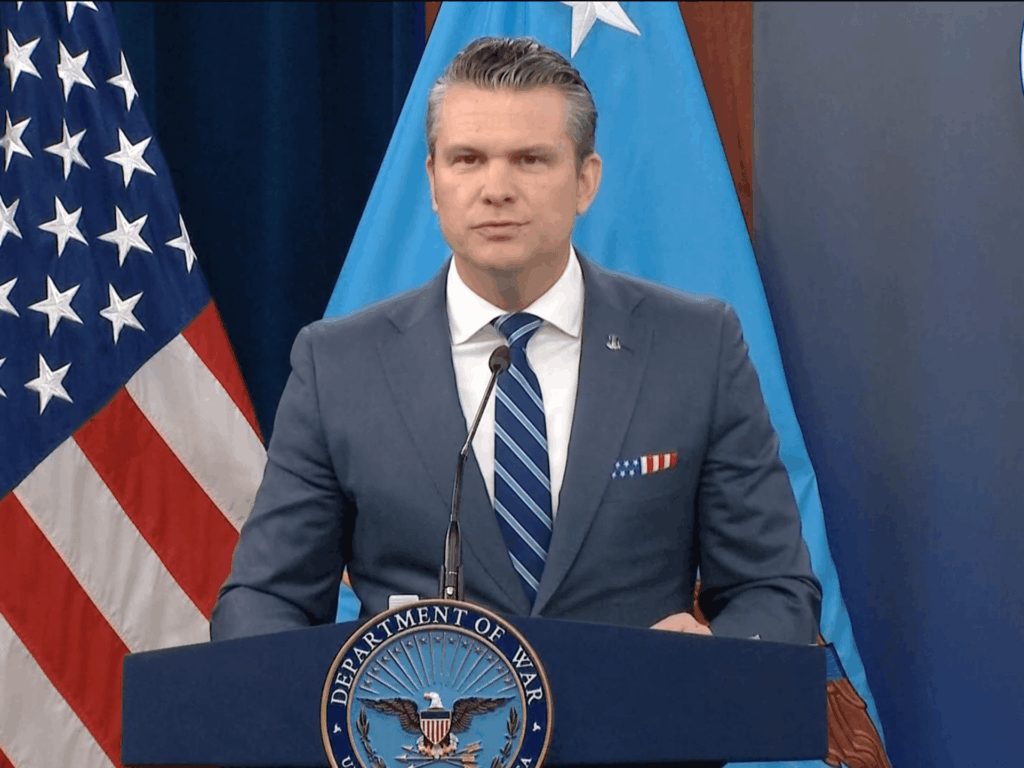
US Defense Secretary Pete Hegseth has publicly criticized the press for its coverage of the ongoing conflict with Iran. In a recent statement, Hegseth accused media outlets of misrepresenting the facts and failing to provide balanced and accurate reporting on the war effort. He expressed concerns that the press coverage could undermine public support and morale among the troops. Hegseth emphasized the importance of responsible journalism, especially during times of conflict, and called on journalists to focus on factual reporting rather than sensationalism. This criticism comes amid heightened tensions and complex military operations in the region, where clear communication is considered vital by defense officials. The Defense Secretary also highlighted the challenges the armed forces face, including misinformation and propaganda, which complicate both the operational landscape and the domestic narrative about the war. In response to these concerns, some media organizations have defended their reporting, stating their commitment to transparency and holding power to account. The debate over media coverage reflects wider issues about the role of the press in shaping public opinion and national security discourse during times of conflict. Observers note that the dialogue between government officials and the media is crucial for maintaining a balanced and informed public dialogue. The criticism from Secretary Hegseth adds another layer to ongoing discussions about media responsibility, war reporting ethics, and the impact of journalism on military and foreign policy. As the situation evolves, the interaction between the Defense Department and the press will likely continue to be a pivotal aspect of how the conflict is perceived both domestically and internationally. Understanding these dynamics is essential for anyone following the war on Iran and the broader implications for international stability and security.