In the complex and tense geopolitical landscape of the Middle East, no date has yet been set for the much-anticipated US-Iran talks. These discussions have long been viewed as crucial for easing tensions and potentially paving the way for broader regional stability. However, diplomatic efforts remain fragile.
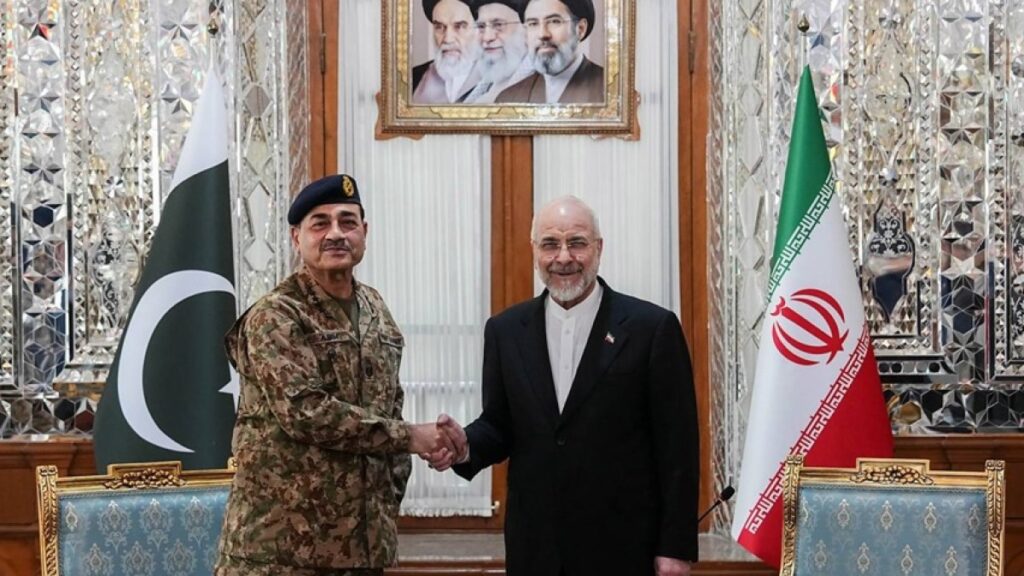
Amid this backdrop, Pakistan has emerged as a key player in facilitating dialogue and pushing to keep diplomatic channels open. Pakistan’s Prime Minister and army chief are actively traveling to various key players involved in the ongoing conflicts and diplomatic standoffs in the Middle East. Their efforts highlight Pakistan’s strategic role in attempting to bridge differences and advocate for peaceful negotiations.
The absence of a confirmed date for the US-Iran talks underscores the complexities and challenges inherent in bringing these two nations to the negotiation table. The US and Iran have a long history of mistrust, sanctions, and proxy conflicts that make diplomacy particularly challenging.
Pakistan’s diplomatic initiative involves engaging not only with the US and Iran but also with other regional powers who have a stake in the outcomes of these discussions. By leveraging its geographical position and historical ties with several Middle Eastern countries, Pakistan aims to foster an environment conducive to dialogue.
The Prime Minister’s and army chief’s visits to influential nations in the region signal Pakistan’s commitment to multilateral diplomacy. These visits often involve high-level discussions focused on reducing hostilities and encouraging direct talks between conflicting parties.
Experts suggest that Pakistan’s role could be pivotal, given that direct US-Iran communications have been historically limited. Islamabad’s balanced approach might help build the trust necessary to initiate formal discussions.
While no official confirmation of a meeting date exists, Pakistan’s diplomatic maneuvers create hopeful prospects for future dialogue. The international community watches closely, understanding that successful talks would have far-reaching implications for peace, security, and economic development across the region.
In summary, the current situation highlights a period of cautious optimism. Despite the absence of a fixed date for the US-Iran talks, Pakistan’s proactive diplomacy efforts aim to keep the flame of dialogue alive. If successful, this initiative could contribute significantly towards de-escalating one of the world’s most enduring geopolitical conflicts.