As a ceasefire between Israel and Hezbollah takes effect, displaced Lebanese communities remain wary amid ongoing tension and uncertainty. The ceasefire marks a hopeful pause in the hostilities that have torn the region apart, but for many evacuees, returning to their homes is fraught with apprehension.
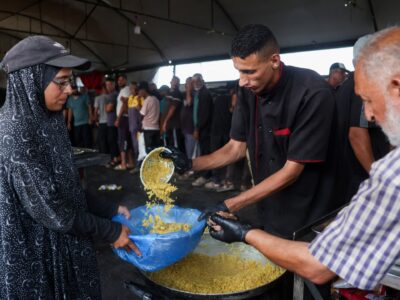
Over recent weeks, intensified conflict has forced thousands of Lebanese civilians to flee their villages, seeking safety from the escalating violence. These evacuees now face the daunting prospect of returning to war-torn homes, many of which have suffered extensive damage.
The ceasefire agreement, while a significant step towards reducing immediate violence, has so far lacked detailed public communication on its terms and durability. This lack of clarity has engendered mistrust among those displaced, who are reluctant to jeopardize their hard-won safety by returning prematurely.
Local officials and humanitarian organizations have echoed calls for transparency and assurances regarding the ceasefire’s stability. Without clear guarantees, many displaced residents fear a rapid resumption of hostilities that could once again force them to abandon their communities.
The Lebanese government faces the complex challenge of coordinating recovery efforts while navigating ongoing political tensions. Infrastructure repair, restoration of essential services, and community reconciliation are critical tasks awaiting attention once a lasting peace is secured.
Meanwhile, international aid groups emphasize the urgent need for support to assist displaced populations. Safe return hinges not only on an enduring ceasefire but also on rebuilding homes and livelihoods devastated by the conflict.
Residents of affected villages report mixed feelings—a blend of hope for peace and anxiety over potential renewed fighting. ‘‘We want to believe in peace, but we need to see real change before we can come back,’’ said one displaced villager.
The fragile calm serves as a reminder of the longstanding volatility in the region, where ceasefires have historically been vulnerable to collapse. The current pause provides a critical window for diplomatic efforts to solidify agreements and address underlying issues.
In the meantime, displaced Lebanese communities continue to live in uncertainty, weighing the risks of returning home against the hardships of displacement. Their cautious optimism underscores the profound impact of conflict on civilian lives and the urgent need for durable peace in the region.