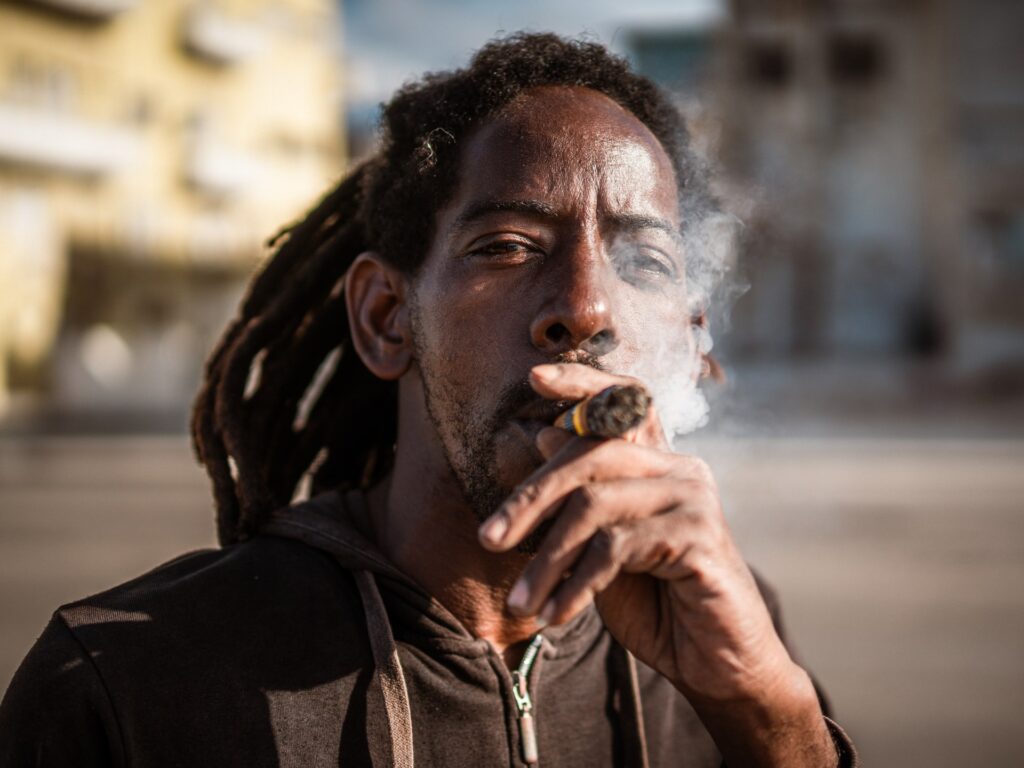
Since January, a significant geopolitical move has taken place: the Trump administration has imposed an oil blockade on Cuba by blocking foreign oil shipments to the island. This policy move has sparked concern about the future of Cuban industries, most notably its iconic cigar production, which has long been a symbol of Cuba’s cultural and economic identity.
Cuba’s economy has historically depended heavily on imports of oil to fuel nearly every aspect of daily life and industry. With the new blockade curtailing foreign oil supplies, the country faces a growing energy crisis that challenges its ability to maintain industrial output, including the production of world-renowned Cuban cigars.
The Cuban cigar industry is a critical economic pillar and a cultural emblem, responsible for generating significant export revenues and sustaining thousands of jobs. The meticulous process of growing tobacco, harvesting leaves, fermenting, rolling, and packaging cigars requires energy-intensive operations. Any disruption in fuel supplies directly threatens the industry’s capacity to function efficiently.
Impact on Supply Chains
The oil crisis has exacerbated existing logistical problems. Reduced fuel availability hinders transportation of raw materials from farms to production centers and affects the distribution channels needed to export the final product. Cuban producers increasingly struggle to maintain their traditional high quality and timely delivery standards.
Economic and Social Ramifications
Beyond commerce, the blockade’s effects ripple through Cuban society. Many Cuban workers rely on the cigar industry for employment; disruptions could endanger livelihoods and destabilize the local economy. Furthermore, shortages in energy impact daily life, compounding the hardship faced by citizens already living under economic strain.
Cuba’s Adaptive Measures
In response to the blockade, the Cuban government has intensified efforts to find alternative energy sources and improve fuel efficiency. They are exploring renewable energy options and seeking new international partnerships to circumvent US restrictions. These mitigation strategies aim to sustain vital industries and prevent economic decline.
Prospects for the Cuban Cigar
While the blockade imposes significant challenges, the Cuban cigar remains a resilient icon. The government and local producers are tirelessly adapting to the energy crisis. Nevertheless, prolonged restrictions could erode the quality and quantity of cigar production. Whether the Cuban cigar can survive largely depends on the island’s success in overcoming the logistical and energetic hurdles created by the US blockade.
Conclusion
The US oil blockade presents a formidable threat to Cuba’s economic stability and particularly to its cherished cigar industry. Though uncertain, the cigar’s fate hangs in a delicate balance amid political tensions and resource scarcity. The international community, Cuban authorities, and industry stakeholders will be closely watching whether the Cuban cigar can endure this unprecedented challenge and continue to symbolize the island’s unique cultural heritage.