The International Energy Agency (IEA) has issued a stark warning about the future of global oil demand, projecting a significant plunge due to disruptions caused by the ongoing war involving Iran. This recent outlook comes in the wake of the IEA’s latest report on ‘demand destruction,’ highlighting the profound impact geopolitical tensions are having on energy markets worldwide.
The IEA’s chief has also voiced concerns about certain unnamed countries hoarding oil stocks amidst the uncertainty, exacerbating supply challenges and contributing to market volatility. These stockpiling actions reflect a lack of confidence in steady supply lines and a precautionary approach to future energy needs, which further clouds the global market outlook.
Iran, as a key oil-producing nation, plays a critical role in the stability of global oil supplies. The escalation of conflict in the region disrupts production capabilities and restricts the flow of oil through crucial transit routes such as the Strait of Hormuz, through which a significant portion of the world’s oil shipments pass.
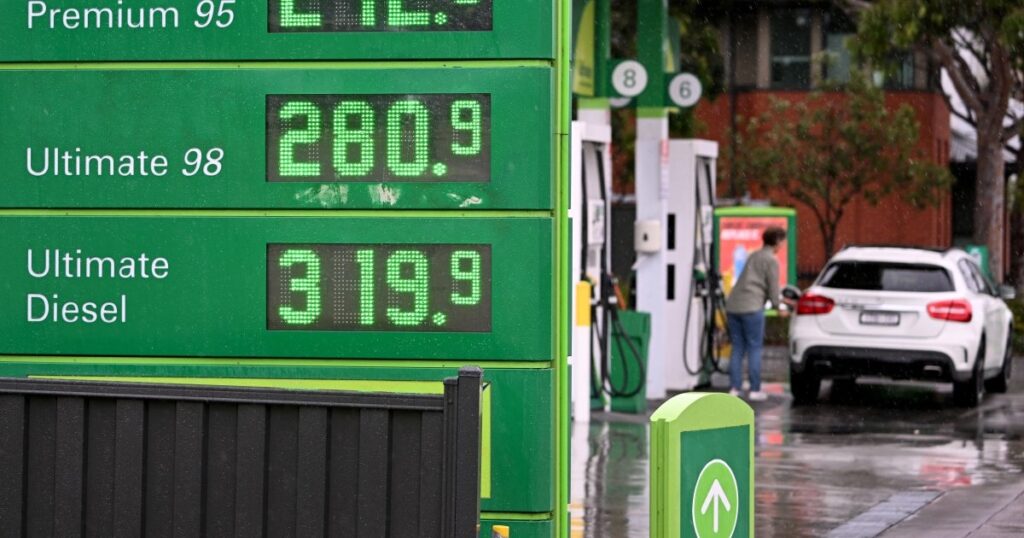
The report indicates that these disruptions could lead to a decrease in oil availability, provoking shifts in supply-demand dynamics. Consumers and industries reliant on oil are expected to respond to higher prices and uncertainty by reducing their usage, accelerating a trend known as ‘demand destruction.’ This phenomenon reflects a decrease in oil consumption driven not only by economic factors but also by energy efficiency measures and alternative energy adoption.
The IEA’s analysis suggests that the short-term impact on oil demand may be severe, causing economic ripple effects across energy-dependent sectors and challenging global economic recovery efforts post-pandemic. Price volatility could intensify, affecting both producers and consumers unevenly across different regions.
Furthermore, the hoarding of oil stocks by some countries may limit market flexibility and transparency, complicating the ability of global markets to adjust to real-time changes in supply and demand. This behavior may be driven by fears of prolonged conflict or attempts to shield national economies from price shocks.
In the long term, these disruptions and the resulting economic pressures might accelerate the global transition towards more sustainable and diversified energy sources. Governments and industries could increase investments in renewable energy and implement more stringent energy policies to mitigate reliance on oil from volatile regions.
The IEA’s report urges coordinated international efforts to manage oil supplies, promote market stability, and address the energy security challenges posed by geopolitical conflicts. It highlights the need for diplomatic solutions to the conflict involving Iran to restore confidence and stability in the energy markets.
As the global community watches the unfolding situation, the oil market’s future remains uncertain, underscoring the intricate link between geopolitics and energy security. The IEA’s findings serve as a critical reminder of the vulnerabilities inherent in global energy supply chains and the pressing need for resilient and forward-looking energy strategies.