In a significant development in Middle Eastern diplomacy, Israel and Lebanon have engaged in their first direct talks since 1993, held under the auspices of the United States. These talks mark a critical attempt to address longstanding disputes and possibly pave the way for improved bilateral relations after decades of hostility.
The negotiation sessions take place in the US, reflecting Washington’s role as a mediator in this complex diplomatic process. The primary agenda centers around resolving contentious issues that have historically fueled tensions between the two neighbors.
Key issues on the table include border disputes, security concerns, and economic cooperation. Specifically, maritime boundaries and resource rights in the eastern Mediterranean—a region rich in natural gas—are pivotal topics. Both countries seek to clarify and settle these disputes to prevent conflict escalation and enable economic development.
The historical context shows that Israel and Lebanon have not maintained formal diplomatic relations since Lebanon’s civil war era and the subsequent conflicts involving Israel, including the 2006 Lebanon War. The lack of direct dialogue has perpetuated hostility and intermittent violence along the border.
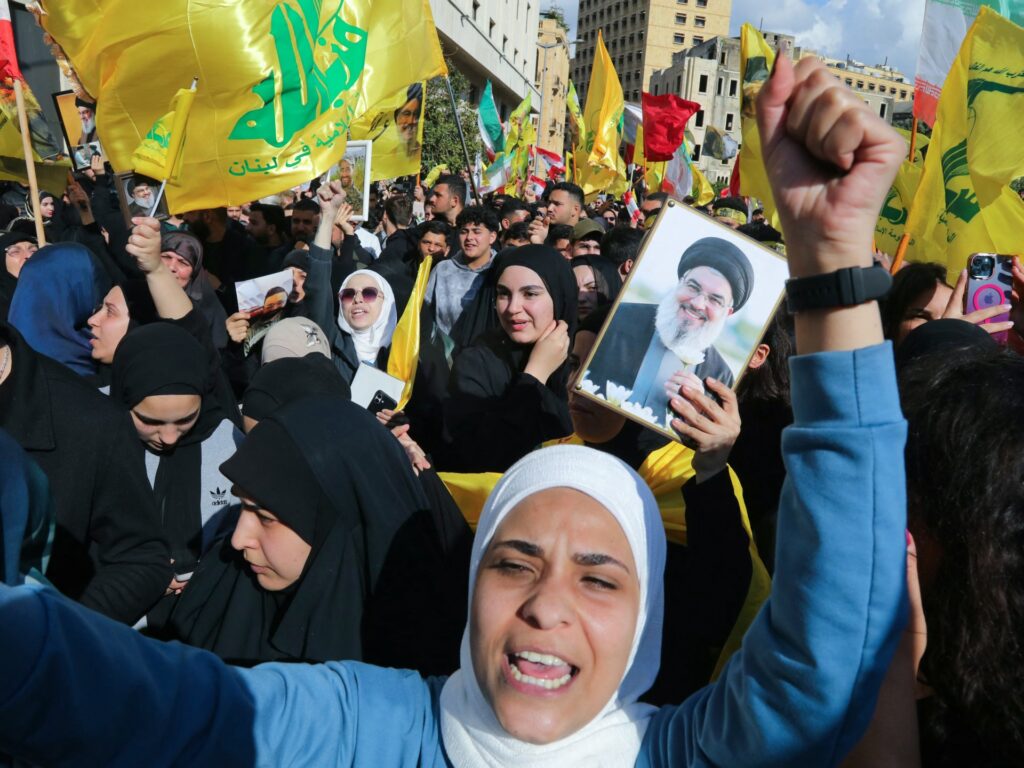
However, the current US-brokered initiative faces significant challenges, most notably the opposition from Hezbollah, Lebanon’s powerful militant and political group. Hezbollah has openly rejected the talks, warning that any agreements reached without its endorsement would lack legitimacy and could further destabilize the region.
This rejection complicates Lebanon’s internal dynamics, as the government attempts to find a balance between engaging in dialogue with Israel and managing Hezbollah’s influence within its borders. Hezbollah’s stance reflects broader geopolitical tensions involving Iran and its allies in the region.
Despite these obstacles, the talks represent a hopeful step forward, signalling a potential for peaceful engagement and conflict resolution. The involvement of international actors like the United States underscores the broader interest in stabilizing the Eastern Mediterranean geopolitical landscape.
Observers note that successful negotiations could lead to economic benefits such as natural gas exploration and development, which are vital for Lebanon’s struggling economy. Peaceful relations and border agreements might also reduce military tensions and the risk of localized conflicts.
Critics remain cautious, emphasizing the complexity of the issues and the deep mistrust between Israel and Lebanon. The volatile political environment within Lebanon and the strong influence of Hezbollah pose ongoing risks to the peace process.
In conclusion, the resumption of direct talks between Israel and Lebanon after nearly three decades is a landmark event with the potential to reshape regional relations. While Hezbollah’s opposition threatens to derail progress, continued diplomatic efforts and international support could eventually lead to a historic breakthrough in a region long marked by conflict and division.