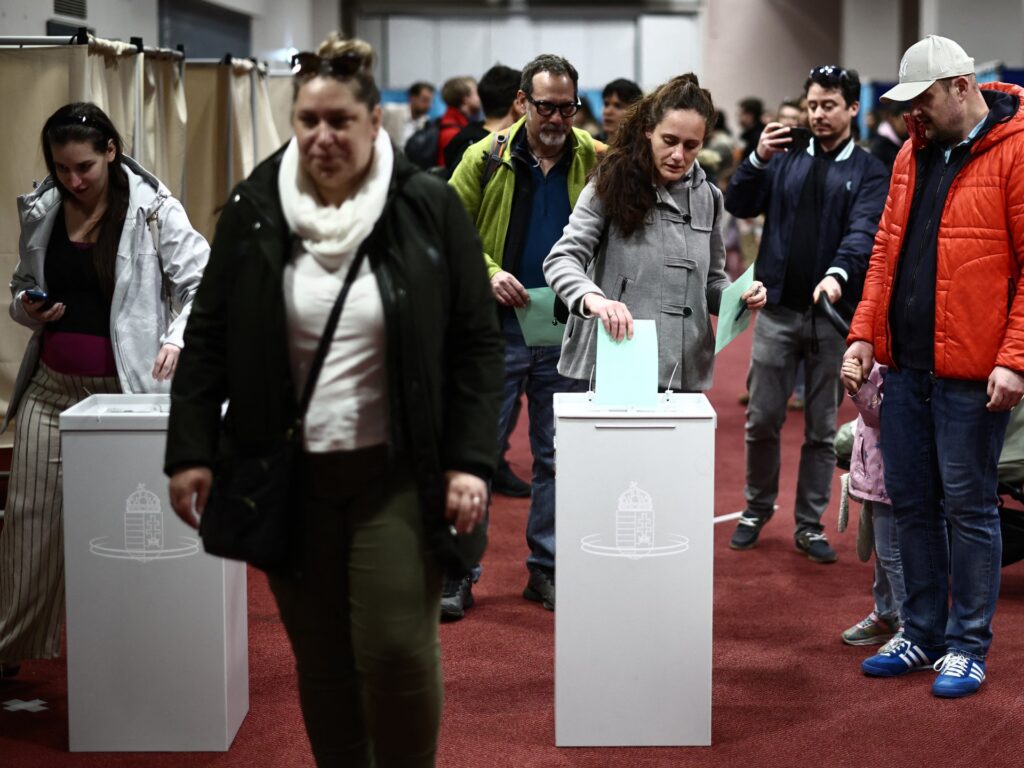
Hungary is currently witnessing a crucial chapter in its political history as voters head to the polls in a pivotal election that could reshape the nation’s future. After 16 years of uninterrupted rule, Prime Minister Viktor Orban faces a formidable challenge from opposition leader Peter Magyar, whose bid seeks to unseat the long-standing leader and signal a potential shift in Hungarian governance.
Viktor Orban, the incumbent Prime Minister, has dominated Hungarian politics for over a decade and a half, steering the country through both domestic policy reforms and complex international relations. Orban’s administration has been characterized by its nationalist policies and firm stance on issues like immigration and economic sovereignty, garnering a loyal base of support but also attracting significant criticism domestically and abroad.
In contrast, Peter Magyar, the leader of the opposition, represents a coalition of parties united in their aim to end Orban’s tenure. Magyar’s platform emphasizes democratic reforms, transparency, and closer ties with the European Union, promising to address concerns about corruption and restrictions on the press that have marked Orban’s era.
The stakes of this election are extraordinarily high. Should Magyar succeed in rallying enough voters, Hungary could experience profound changes in its political landscape. Analysts suggest that a victory for Magyar might lead to a recalibration of Hungary’s foreign policy, greater alignment with EU standards, and reforms aimed at revitalizing Hungary’s democratic institutions.
Citizen engagement in this election has been notably intense, reflecting the deep desire for change among a significant portion of the electorate. Voting centers have reported high turnout, and political debates have been fervent, reflecting the polarized opinions within Hungarian society.
The outcome of the election will be closely watched not only within Hungary but across Europe and the international community. Many observers view this election as a litmus test for democratic values in the region, with potential implications for how other nations address issues of governance, nationalism, and European integration.
As the votes are tallied, both Orban and Magyar have urged their supporters to remain peaceful and respect democratic procedures. The election serves as a reminder of the power of the vote in shaping a country’s future.
In summary, Hungary’s pivotal election is more than a contest for leadership; it is a defining moment that could set the course for the nation’s political evolution. The world watches as Hungarians decide whether to continue with the familiar leadership of Viktor Orban or embrace a new direction under Peter Magyar’s promise of change and reform.