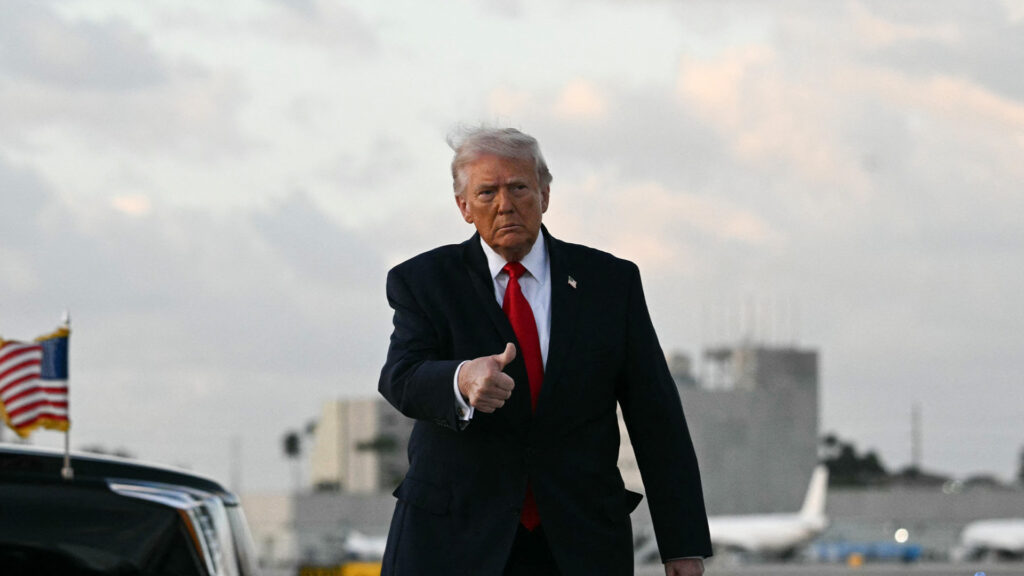
In a significant escalation of tensions in the Middle East, US President Donald Trump has declared that the United States Navy will immediately impose a naval blockade on the Strait of Hormuz. The Strait of Hormuz is a strategically vital waterway, serving as a crucial transit route for a significant portion of the world’s oil shipments. President Trump’s announcement signals a major shift in US policy aimed at exerting increased control over maritime traffic in this narrow but pivotal chokepoint.
The decision to blockade the Strait of Hormuz comes amid rising geopolitical tensions in the region, particularly involving Iran and its allies. The US has expressed concerns about what it perceives as aggressive actions and threats to freedom of navigation in the area. By initiating a blockade, the US aims to restrict the movement of ships that may pose security risks or challenge international maritime laws.
Strategically located between the Persian Gulf and the Gulf of Oman, the Strait of Hormuz is one of the world’s most crucial sea lanes. Approximately 20% of the world’s petroleum passes through this narrow strait daily, making it essential for global energy supplies. Any disruption in the flow of oil through this route can have a profound impact on global markets, energy prices, and international relations.
President Trump emphasized that the blockade would be enforced strictly by the US Navy. He stated, “We cannot allow any threats to global energy security or to our allies who rely on oil supplies passing through this region. The US will take decisive action to ensure the strait remains open under our control.”
The announcement has elicited immediate responses from international actors. Allies of the United States have expressed cautious support, recognizing the importance of maintaining safe passage through the Strait. However, concerns remain about the potential for increased hostilities and disruption of global shipping.
Iran, in particular, has condemned the US blockade, calling it an act of aggression and a violation of international law. Tehran has warned that it would respond strongly to any attempts to impede its shipping or military movements. This confrontation raises fears of military escalation between the US and Iran, which could have far-reaching consequences beyond the region.
Energy markets reacted swiftly to the news, with oil prices experiencing notable volatility due to fears of supply disruptions. The potential for a protracted standoff in the Strait of Hormuz has added uncertainty to global economic forecasts, especially for countries heavily dependent on Middle Eastern oil.
The US Navy is expected to deploy additional naval assets to enforce the blockade, including aircraft carriers, destroyers, and support vessels. Commanders have been ordered to implement stringent controls on vessels passing through the strait, conducting inspections and potentially diverting or detaining ships deemed a threat.
This move by the United States marks one of the most assertive naval actions in recent years aimed at securing maritime control over a key international shipping corridor. It reflects broader strategic priorities of the Trump administration to counter perceived threats and consolidate US influence in volatile global hotspots.
Analysts suggest the blockade could trigger a complex geopolitical standoff, potentially drawing in other regional powers and global actors. Diplomatic channels are likely to be tested as countries seek to navigate the delicate balance between security, sovereignty, and freedom of navigation.
The blockade underscores the ongoing volatility in the Persian Gulf region, a hotspot where economic interests, national security, and international diplomacy intersect. Stakeholders worldwide are monitoring the situation closely, aware that developments in the Strait of Hormuz could reshape the geopolitical landscape and impact international trade.
As the situation develops, the international community faces critical questions about the legality, effectiveness, and consequences of the blockade. There is intense scrutiny regarding how the US intends to manage the risks of escalation and ensure maritime security without triggering a wider conflict.
In conclusion, President Trump’s announcement to blockade the Strait of Hormuz marks a pivotal moment in US foreign policy and Middle Eastern geopolitics. The coming weeks are expected to reveal how this bold strategy will unfold and its implications for global energy markets, international relations, and regional stability.