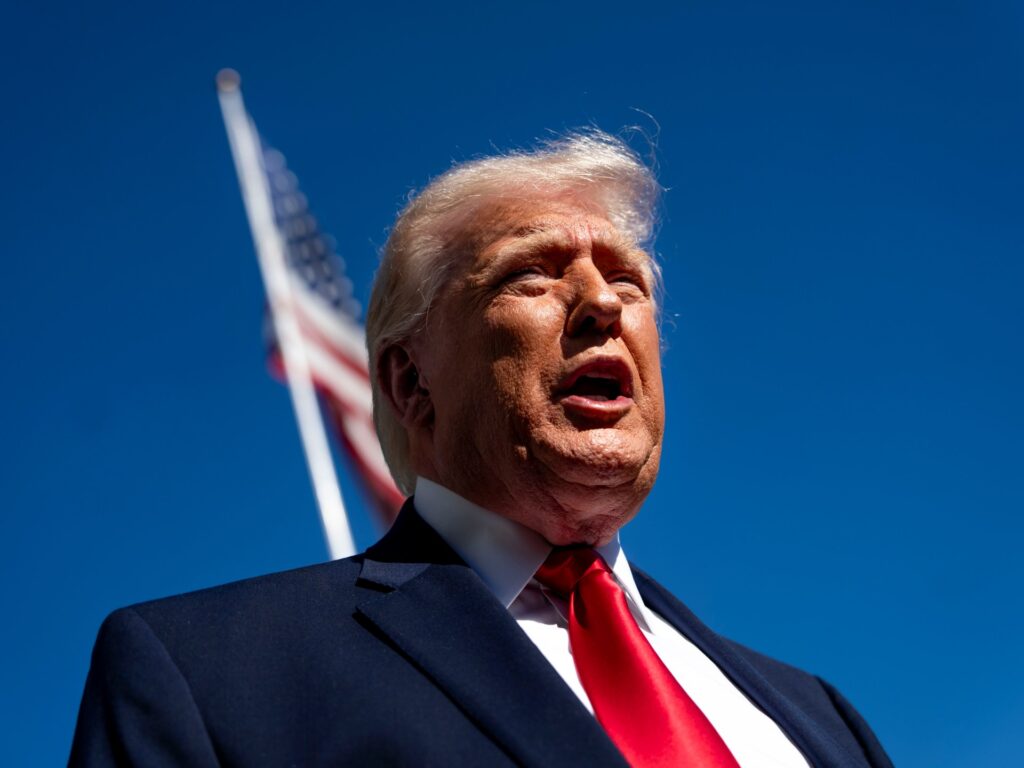
In a dramatic escalation of tensions in the Middle East, former President Donald Trump has announced a blockade of the Strait of Hormuz following the breakdown of US-Iran peace negotiations. This critical waterway, through which a significant portion of the world’s oil supply passes, is now at the center of a fierce geopolitical standoff.
Trump condemned Iran for previously blocking the Strait, highlighting the strategic vulnerability of global energy supplies. The announcement comes after Trump’s administration expressed frustration over the failure to reach a peace agreement with Iran, which was seen as a lost opportunity to ease longstanding tensions in the region.
Adding to the complexity of the situation, Trump also voiced discontent over the lack of progress in Pakistan, another key US regional ally. He underscored a sense of diplomatic isolation, lamenting the absence of a favorable deal which could have potentially contributed to regional stability.
According to Trump, the US Navy will enforce the newly declared blockade, a move that signals Washington’s readiness to apply military pressure to ensure freedom of navigation and deter Iran from disrupting one of the world’s most strategically important maritime chokepoints.
The Strait of Hormuz is pivotal for international energy markets, as approximately 20% of global petroleum passes through this narrow waterway between the Persian Gulf and the Gulf of Oman. Any disruption here could have far-reaching implications for global oil prices and energy security.
US officials clarify that the blockade aims to safeguard the interests of global commerce and protect allies in the Middle East while preventing Iran from exerting undue influence through maritime control. The move has already sparked reactions from various countries, with some calling for restraint and others supporting the US position on maintaining open sea lanes.
Iranian officials have strongly denounced the blockade, calling it an act of aggression and a violation of international law. Tehran warned that any attempt to enforce such a blockade would be met with resistance, raising concerns about the potential for military confrontation.
The international community is closely monitoring the evolving situation, with diplomatic efforts expected to intensify in the coming days. The United Nations and other multilateral organizations have urged all parties to seek dialogue to defuse tensions and avoid further escalation.
Energy markets have reacted swiftly to the news, with oil prices surging amid fears of supply disruptions. Analysts warn that a prolonged blockade could destabilize the already fragile geopolitical balance in the region and trigger widespread economic ramifications.
The blockade announcement marks a significant shift in US policy towards Iran, moving from a focus on negotiations to a more assertive military posture. This development underscores the persistent challenges in US-Iran relations and the enduring strategic importance of the Strait of Hormuz.
As the US Navy prepares to enforce the blockade, questions remain about the possible responses from Iran and its regional allies. The coming weeks will be critical in determining whether this confrontation leads to increased hostilities or opens a new chapter for diplomacy.
Global leaders continue to call for peaceful resolution, emphasizing the need for cooperation to maintain stability in one of the world’s most vulnerable and vital maritime corridors.