In a recent development concerning the fragile ceasefire efforts in Pakistan, Iran’s Parliamentary Speaker Mohammad Baqer Ghalibaf has openly criticized the United States for undermining the peace process. Ghalibaf asserted that the US failed to earn the trust of Tehran’s delegation, which played a significant role in the breakdown of the ceasefire talks.
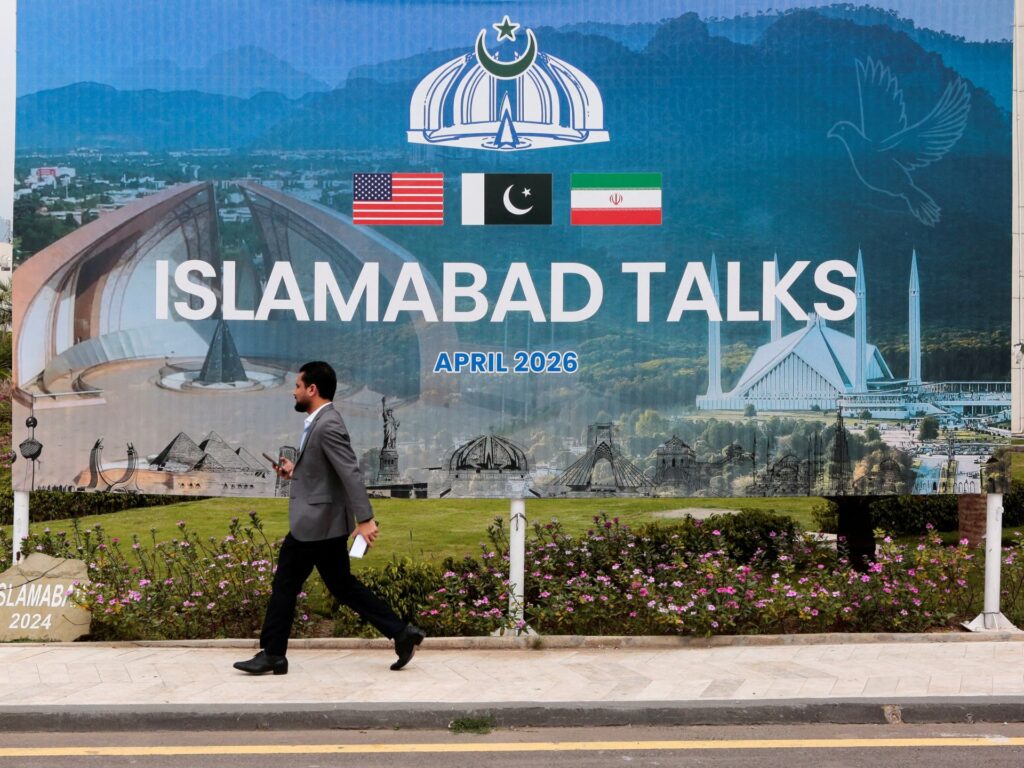
The ceasefire talks, aimed at easing tensions and fostering peace in the troubled region of Pakistan, saw representatives from multiple stakeholders, including Iran, come together to negotiate terms that could bring about a lasting solution. However, despite the initial promise shown by the negotiations, the talks have failed to yield a concrete agreement.
Ghalibaf’s remarks reflect Iran’s frustration with what it perceives as external interference in the peace process. He suggested that Washington’s actions were counterproductive, leading to mistrust and ultimately the failure of the ceasefire talks.
The context of the ceasefire talks revolves around ongoing conflicts and militancy that have destabilized parts of Pakistan, affecting regional security and the lives of innocent civilians. Iran, sharing a border with Pakistan, is significantly concerned about the spillover effects of these conflicts, including refugee flows and cross-border terrorism.
The failure of the talks has increased tensions not only within the region but also puts a spotlight on the complex dynamics involving global powers. The United States has historically maintained a strategic interest in South Asia, often pursuing policies that some regional actors view with suspicion.
Ghalibaf’s statement indicates a broader narrative held by Tehran, which often criticizes US policies in the Middle East and neighboring regions as disruptive to peace and stability. His comments could be seen as a call for greater regional autonomy in handling security issues without external interference.
The Iranian delegation had participated actively in the talks, hoping to play a constructive role. However, according to Ghalibaf, the US influence in the process created discrepancies and mistrust between the negotiating parties.
This public blame raises questions about the future of peace initiatives in the region. Constructive dialogue and confidence-building measures are essential in conflict resolution, but they require all parties to act in good faith.
Experts analyzing the situation note that rebuilding trust will be critical for any future meetings. The failure of the recent ceasefire talks underscores the fragile nature of peace efforts in such complex and politically charged environments.
Observers are now watching closely to see how Iran and other regional stakeholders will recalibrate their approach to conflict resolution in Pakistan. There may be a push for more inclusive discussions, possibly sidelining external players who are viewed as obstructive.
The international community has also expressed concern over the setbacks in the peace process. Support for ceasefire agreements is vital to ensure the safety of civilians and promote stability.
In summary, Iran’s Parliamentary Speaker Mohammad Baqer Ghalibaf has placed significant responsibility on the United States for the failure of Pakistan ceasefire talks, citing a lack of trust and perceived interference as primary factors. This development highlights the ongoing challenges in achieving peace in the region and the critical role of trust and cooperation among all parties involved.