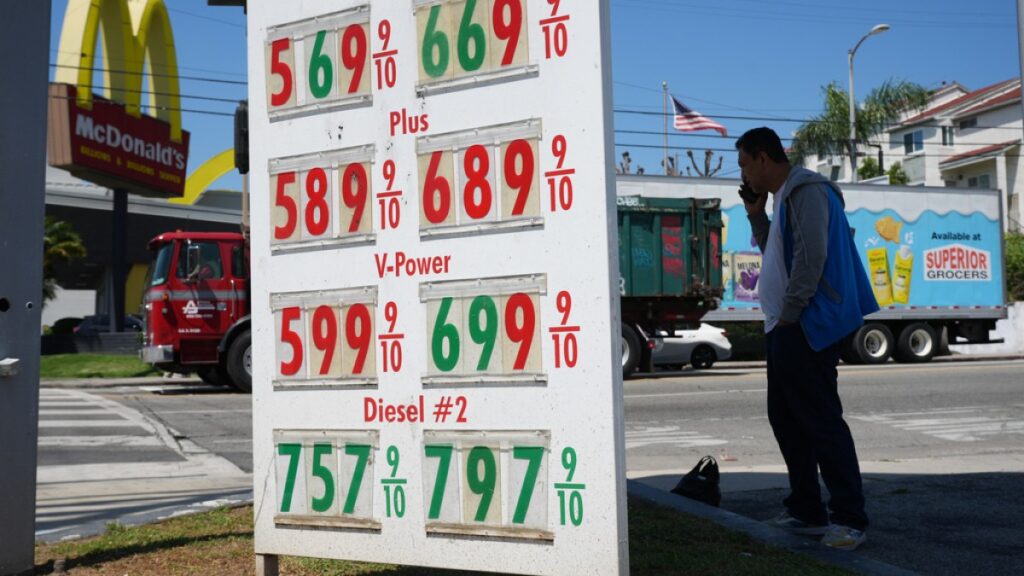
The United States is witnessing a significant rise in inflation rates, primarily driven by an ongoing blockade of the Strait of Hormuz, a critical oil transit route. A recent government report highlights a sharp 21.2 percent increase in petrol prices in March, with prices stubbornly staying above $4 per gallon despite a recent truce in the region.
The Strait of Hormuz, a vital passage for global oil shipments, has become a strategic flashpoint leading to disruptions in oil supply chains. This blockade has constrained oil availability, pushing energy costs higher and consequently inflating prices across a broad range of goods and services in the US market.
Consumers are feeling the pinch, as reflected in the plunging consumer sentiment indexes reported nationally. The increase in fuel costs has had a ripple effect, affecting transportation, manufacturing, and food prices, thereby squeezing household budgets and diminishing purchasing power.
Economists warn that sustained high petrol prices could further exacerbate inflationary pressures, undermining economic recovery efforts post-pandemic. The recent truce has offered some respite, but prices remaining above $4 per gallon indicate persistent volatility and ongoing concerns about long-term oil supply stability.
Market analysts note that the US economy’s sensitivity to fluctuations in oil prices could trigger more cautious consumer spending and hinder business investment decisions. This environment poses challenges for policymakers trying to balance inflation control with economic growth.
Energy experts emphasize the need for diversified energy sources and resilience in supply chains to mitigate such shocks. Meanwhile, consumers are advised to brace for continued price hikes and consider energy-saving measures to manage costs.
The government is closely monitoring the situation, coordinating with international partners to ensure the security of vital shipping lanes. Efforts are underway to develop strategic petroleum reserves and explore alternative routes to alleviate dependency on the Hormuz corridor.
In conclusion, the Hormuz blockade has significantly impacted the US economy by fueling inflation and depressing consumer confidence. The resolution of geopolitical tensions remains crucial to stabilizing oil prices and restoring economic stability in the near term.