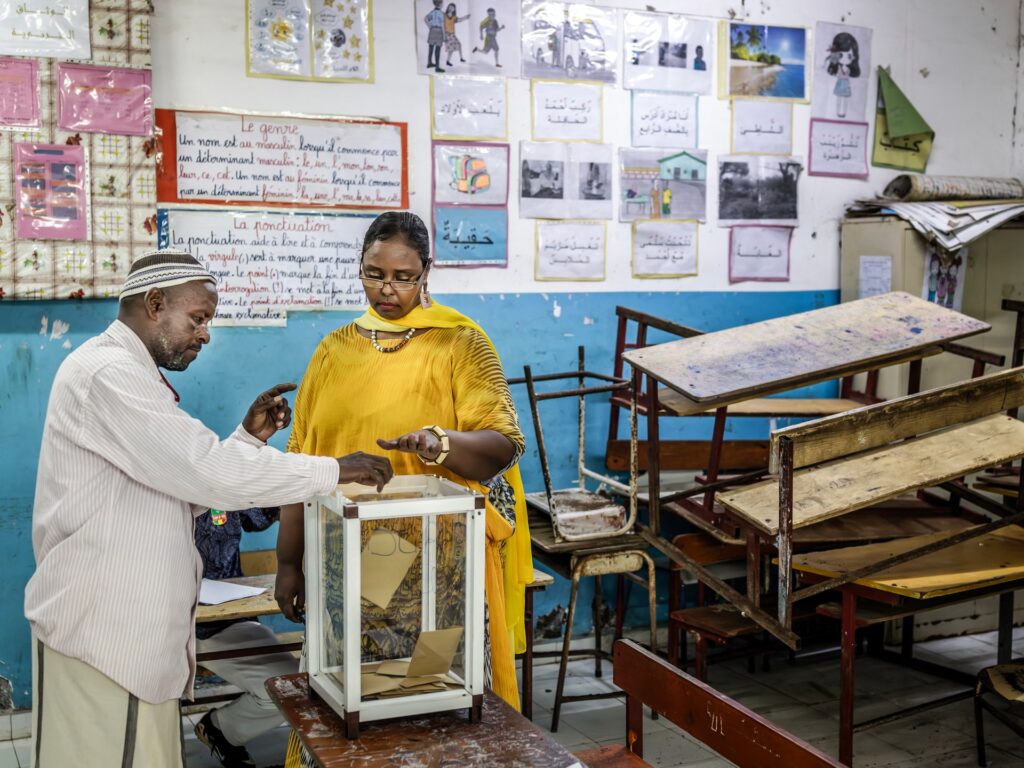
Djibouti is currently holding elections as its longtime leader, President Ismail Omar Guelleh, seeks a sixth term in office. This development follows a significant constitutional change last year, when politicians in the East African nation removed the presidential age limit. This amendment paved the way for Guelleh, who has been in power since 1999, to run once again.
President Guelleh, who has dominated Djibouti’s political scene for over two decades, is a figure of both stability and controversy. His extended tenure has coincided with both economic progress and criticisms regarding democratic practices. The removal of the age limit was widely perceived as a strategic move to allow him to maintain his grip on power.
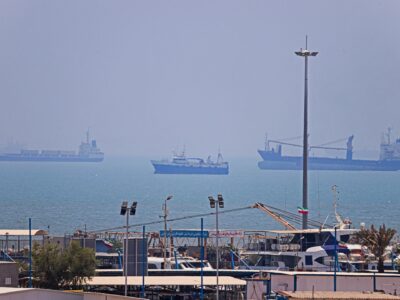
The election comes at a time when Djibouti plays a critical strategic role on the Horn of Africa, hosting several foreign military bases and serving as a crucial link for global shipping lanes through the Bab el-Mandeb Strait. Guelleh’s continued leadership is expected to sustain Djibouti’s foreign policy stability, particularly its alliances with major international powers.
However, opposition parties and civil society groups have expressed concerns about the election’s fairness and transparency. Many point to restrictions on opposition activities and media coverage as factors undermining free and fair elections. Human rights organizations have also raised alarms about the shrinking political space and repression of dissent.
The constitutional amendment that removed the age cap ignited debates about governance and democratic principles in Djibouti. Critics argue it sets a dangerous precedent for political longevity at the expense of democratic renewal. Supporters, on the other hand, contend that Guelleh’s experience and leadership contribute to maintaining peace and development in a volatile region.
Voter turnout and the conduct of the election will be closely watched by the international community, which has shown a mixed stance towards Djibouti’s political direction. Some countries emphasize the strategic importance of Djibouti and prioritize stability, while others advocate for stronger democratic reforms.
As votes are cast and counted, the future of Djibouti’s political landscape remains uncertain. The outcome will not only shape the nation’s governance but also influence its role on the regional and international stage. President Guelleh’s quest for a sixth term reflects broader challenges facing many African nations where leaders seek to extend their rule amidst calls for democratic change.