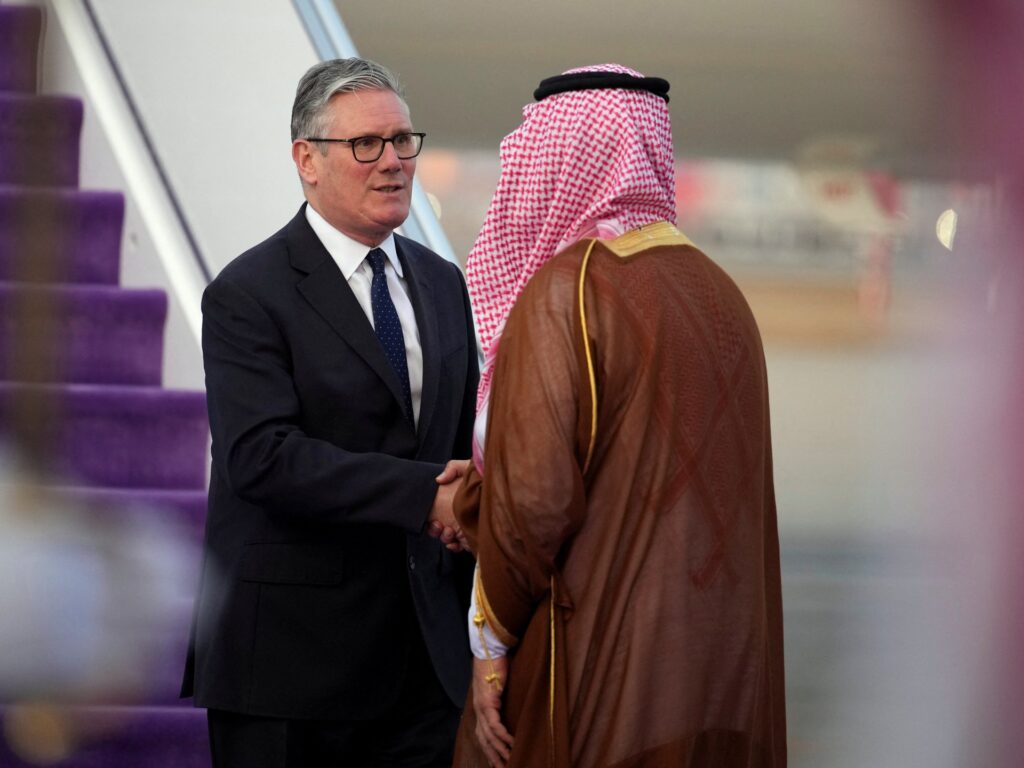
UK Prime Minister Keir Starmer embarked on a significant diplomatic visit to the Gulf, arriving in Doha as part of a broader tour focused on the fragile ceasefire between the United States and Iran. This visit underscores the UK’s proactive engagement in fostering regional stability and supporting peace initiatives in a volatile geopolitical landscape.
Starmer’s Gulf tour comes at a critical juncture, with tensions between the US and Iran having long impacted the Middle East’s security dynamics. The recent ceasefire, although a hopeful development, remains fragile and demands sustained diplomatic efforts to prevent escalation and encourage dialogue.
During his stop in Doha, Starmer held talks with key Gulf leaders, emphasizing the importance of a collective approach to maintaining peace and security. The UK aims to act as a mediator, supporting both the US and Iran to uphold the ceasefire agreements and build upon this initial step towards de-escalation.
The visit highlights the UK’s commitment to reinforcing its presence in the Middle East, balancing strategic interests with international peace responsibilities. By engaging directly with Gulf Cooperation Council (GCC) countries, Starmer seeks to strengthen alliances, promote economic cooperation, and address broader regional challenges such as conflict resolution, terrorism, and economic development.
Analysts note that this diplomatic initiative serves multiple purposes: calming ongoing tensions, enhancing the UK’s global diplomatic profile, and contributing to a more stable international framework where dialogue supersedes military confrontation.
Starmer’s discussions in Doha included plans for continued monitoring of the ceasefire’s implementation, mechanisms for conflict de-escalation, and ways to facilitate humanitarian aid to affected communities. The UK’s diplomatic efforts also align with broader international concerns about nuclear proliferation and the need for peaceful solutions on the Iranian nuclear issue.
The Prime Minister’s visit is expected to continue across other Gulf states, where further discussions will aim to consolidate the ceasefire and explore economic and security partnerships. This multi-pronged strategy reflects a comprehensive approach to Middle Eastern diplomacy in an era marked by complex alliances and persistent challenges.
By fostering dialogue and supporting ceasefire efforts, Starmer’s Gulf tour symbolizes a renewed push for peace and stability in a region whose significance resonates globally due to its strategic, economic, and security implications. The visit, therefore, is not only about immediate geopolitical concerns but also about laying the groundwork for long-term regional cooperation and conflict resolution.