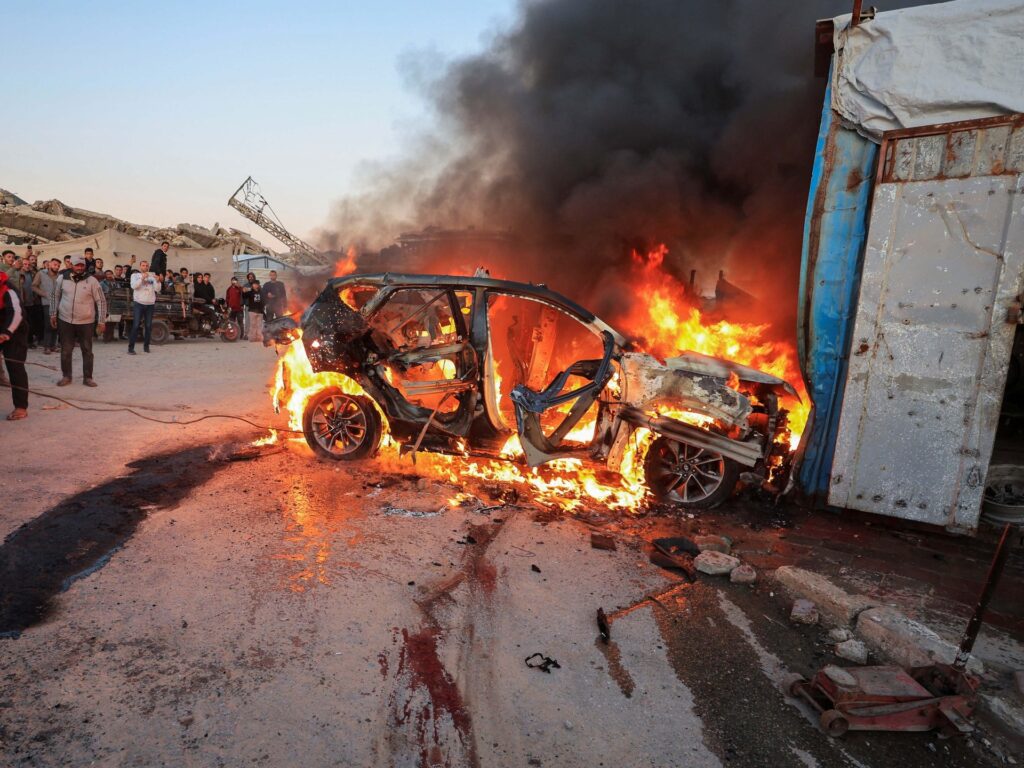
Al Jazeera has strongly condemned the recent killing of journalist Mohammed Wishah by an Israeli drone strike in Gaza, labeling it a “heinous crime.” Mohammed Wishah, whose work brought critical news coverage from the region, was killed in an attack that has provoked widespread outrage and concern over the safety of journalists operating in conflict zones.
The incident highlights the increasing dangers faced by media personnel reporting from highly volatile areas such as Gaza, where conflict often escalates quickly. Journalists like Wishah play an essential role in providing the world with information from the ground, often risking their lives to report events accurately.
Al Jazeera’s condemnation points to broader issues surrounding the protection of journalists under international law. The killing of Wishah follows numerous reports of media workers being targeted or caught in crossfire during military operations. This event has sparked renewed calls for stronger enforcement of protections designed to keep journalists safe in war zones.
Mohammed Wishah was known for his dedication to truthful and courageous reporting, often shedding light on the humanitarian impact of conflict on civilians. His death is not only a personal tragedy but also a blow to press freedom and the free flow of information in the region.
The circumstances of the drone strike are still being reviewed, but eyewitnesses have confirmed that the strike was sudden and deadly. Human rights organizations and media watchdogs have condemned the incident, urging an independent investigation to ensure accountability and justice.
Israel’s military operations in Gaza have long been a subject of controversy and international scrutiny. This latest incident adds to the mounting concerns about the proportionality and conduct of these operations, especially when they result in civilian casualties and the death of non-combatants like journalists.
Many in the international community have called for immediate measures to protect journalists and civilian populations amid ongoing hostilities. Ensuring that communication channels remain open and that reporters can work without fear is critical to global awareness and diplomatic efforts aimed at resolving conflicts.
The killing of Mohammed Wishah serves as a stark reminder of the perils faced by journalists in conflict zones and the urgent need for stronger protective mechanisms. Al Jazeera’s firm condemnation underscores the importance of holding perpetrators accountable and upholding the rights of journalists worldwide.
In the wake of this tragedy, discussions are intensifying around how the international community can better enforce laws that safeguard journalists, highlighting the need for comprehensive policies and cooperation between states and media organizations.
As investigations continue, the focus remains on achieving justice for Mohammed Wishah and preventing further loss of life among those who bravely document the realities of conflict. This event calls for renewed commitment to press freedom and protection of those who risk everything to bring truth to the forefront.