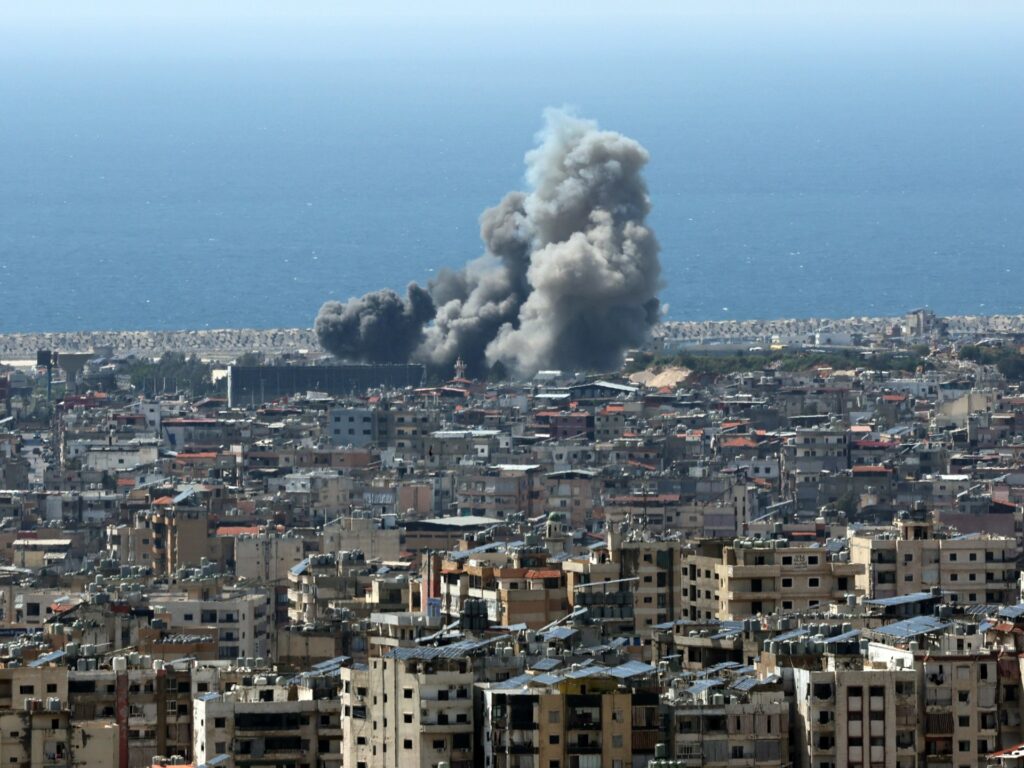
Lebanon is currently grappling with a profound crisis as Israeli strikes have inflicted devastating damage across the country, leaving its citizens in a state of fear and confusion. The recent attacks have escalated tensions in a fragile region already struggling with political and social instability.
The Lebanese population is reeling from the impact of continuous bombings and military operations. Many communities have been displaced due to the destruction of homes, infrastructure, and essential services. Reports indicate that emergency responders are overwhelmed, and medical facilities are struggling to cope with the influx of casualties.
Fear permeates through the streets as people face uncertainty about their safety and the future of their nation. Psychologists note the rising levels of trauma and anxiety among residents, particularly children who have witnessed the horrors of war firsthand.
This surge in violence has disrupted daily life, with schools and businesses shutting down, and transport networks becoming unreliable or unsafe. The economy, already weakened by years of turmoil, is expected to suffer further setbacks due to the ongoing conflict.
Moreover, Lebanon’s role in the recent ceasefire agreements remains contested. Political factions within the country differ on how to respond and engage with Israel and international mediators attempting to restore peace. This division complicates efforts to stabilize the region and protect civilians.
International organizations have called for immediate humanitarian aid and urged for a ceasefire to prevent further loss of life. Aid agencies are striving to provide relief, but access to affected areas is hindered by security concerns and damaged infrastructure.
As the conflict continues, the resilience of the Lebanese people is being tested like never before. Community leaders and humanitarian workers emphasize the need for solidarity and support as the nation faces one of its darkest periods.
The international community remains watchful, hoping for diplomatic solutions to halt the violence and foster long-term peace. However, for the people of Lebanon, the immediate priority is safety and the restoration of normal life amidst the shadows of conflict.
In this critical moment, voices from Lebanon echo the shared sentiment of fear: ‘People are afraid’ — a stark reminder that beyond political disputes, the human cost of war remains devastating and urgent.