Tensions in the Middle East are escalating as Israel issues stern warnings targeting Iran’s trains and railway infrastructure, coinciding with a looming deadline set by former U.S. President Donald Trump. These developments come amid heightened geopolitical confrontations and a backdrop of regional instability.
Israel’s statement highlights an intensified strategic focus on crippling Iran’s critical transportation network. By threatening Iran’s railways, Israel aims to undermine the Iranian regime’s ability to mobilize resources and consolidate power within the region. Such actions are perceived as a direct challenge to Iran’s influence and operational capabilities.
Simultaneously, in the Gulf region, the highly significant bridge linking Saudi Arabia and Bahrain has been closed recently. This closure is tied to increasing security concerns and as a cautionary measure following the U.S. administration’s aggressive posture toward Iran. The bridge, a crucial conduit for trade and travel between the two monarchies, has become a focal point for diplomatic and security actions since President Trump declared intentions to impose harsh penalties on Iranian infrastructure.
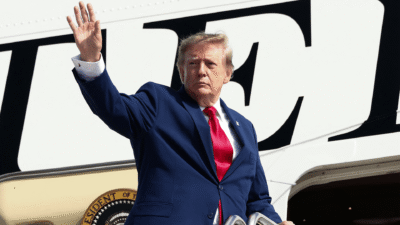
President Trump’s warning, delivered in a series of statements and policy measures, outlined a specific deadline for action against Iran’s strategic assets, signaling potential military or economic retaliations if the Iranian regime continued what the U.S. perceived as threatening activities. The threat to Iranian infrastructure underscores the ongoing campaign of maximum pressure devised to limit Iran’s regional ambitions and nuclear development.
The closure of the Saudi-Bahrain causeway reflects broader regional fears about the potential for conflict escalation. It exemplifies the ripple effects that U.S.-Iran tensions have across allied nations, prompting precautionary measures to secure borders and critical infrastructure.
Analysts note that Israel’s targeting of Iran’s rail system is designed to disrupt logistical routes that support Tehran’s military and economic reach, thereby diminishing its ability to sustain regional proxies and influence.
The geopolitical atmosphere is fraught with uncertainty as all parties gauge the consequences of confrontational rhetoric mixed with decisive actions. The international community watches closely, concerned about a potential spike in hostilities that could extend beyond bilateral disputes to involve neighboring states.
Experts warn that such threats and retaliatory moves could destabilize not only the Middle East but also global markets, given the strategic importance of these nations in energy supply and international trade.
In the meantime, diplomatic channels remain strained but open, with various efforts underway to de-escalate tensions through dialogue, though skepticism remains high.
The next few weeks are critical, as the expiry of President Trump’s outlined timeline could trigger a new phase in the conflict between Iran and its adversaries, with significant implications for regional peace and security.
The closure of the Saudi-Bahrain bridge and Israel’s threats mark a pivotal moment, reflecting the complex interplay of military, political, and economic factors shaping the ongoing Middle East crisis.