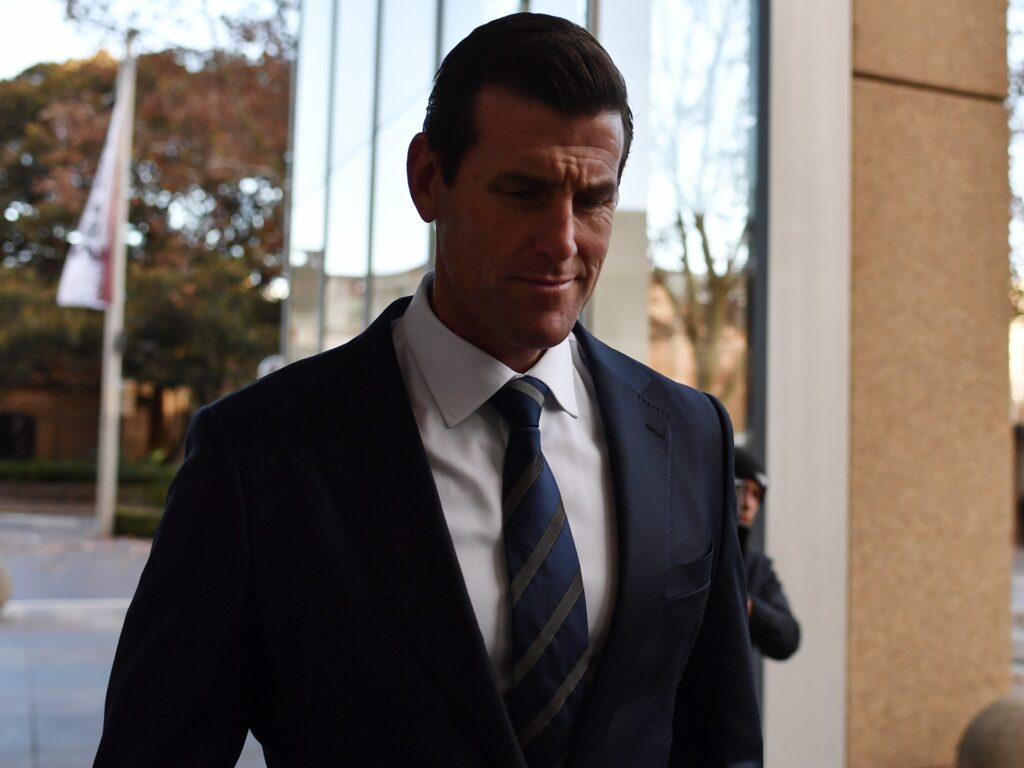
In a significant development, Australia has arrested former soldier Ben Roberts-Smith following allegations of war crimes committed during his deployment in Afghanistan. The arrest marks a critical juncture in a controversial case that has drawn intense public and media scrutiny.
Roberts-Smith, once celebrated as a war hero, faced a high-profile legal battle against reporters who accused him of involvement in the unlawful killings of unarmed Afghan men. The case, which hinged on reporters’ investigative journalism, alleged serious breaches of military conduct and international law.
The arrest comes shortly after Roberts-Smith lost his defamation lawsuit against several media outlets. These reports detailed accusations that he had taken part in war crimes during his service, painting a starkly different image than the decorated soldier he was previously portrayed as.
Australian authorities have not released extensive details about the charges but confirmed that the arrest relates to investigations into his actions in Afghanistan. The allegations, if proven, involve serious violations that could reshape public perception of the military’s conduct during the prolonged conflict.
Roberts-Smith had served with the Australian Special Air Service Regiment (SAS) and was awarded the Victoria Cross, Australia’s highest military honor, for bravery. However, his reputation has been deeply tarnished by these accusations and the ongoing legal battles.
The investigation into Roberts-Smith forms part of a broader inquiry by Australian prosecutors and military officials into alleged misconduct by Australian forces in Afghanistan. Several other cases have surfaced in recent years, sparking debates about accountability and ethics within the armed forces.
Human rights advocates and war crime watchdogs have applauded the move to arrest Roberts-Smith, emphasizing the importance of holding soldiers accountable regardless of rank or past honors. They argue this sets a precedent for transparency and justice in military operations.
The Australian Defense Force has stated its commitment to examining all claims of war crimes thoroughly and ensuring that justice is served. It also stressed the need to maintain the integrity and honor of the military institution while upholding the rule of law.
Experts note that the case surrounding Roberts-Smith is complex, involving both legal and moral considerations. It highlights the challenges faced by military justice systems in dealing with alleged crimes committed in the fog of war.
Roberts-Smith’s arrest also raises questions about the long-term impact of such allegations on veteran welfare and the military community. Supporters of Roberts-Smith claim he is being unfairly targeted and that his actions were within the scope of military operations.
Legal analysts predict a protracted legal process, with the defense likely to contest the charges vigorously. Meanwhile, public opinion remains divided, with some viewing the arrest as a necessary step for justice, while others see it as an attack on national heroes.
This case underscores the ongoing struggle to balance national security interests, military effectiveness, and human rights protections in modern warfare. It also reflects broader global concerns about accountability for wartime conduct.
As investigations proceed, more details are expected to emerge, which could further illuminate the nature of the alleged crimes and the events in Afghanistan that led to this unprecedented arrest.
In summary, the arrest of Ben Roberts-Smith signals a crucial moment in Australia’s reckoning with its military past and the pursuit of justice for alleged war crimes. The unfolding legal drama will likely have significant implications for the military, media, and society at large as the country grapples with the complex legacy of its involvement in Afghanistan.