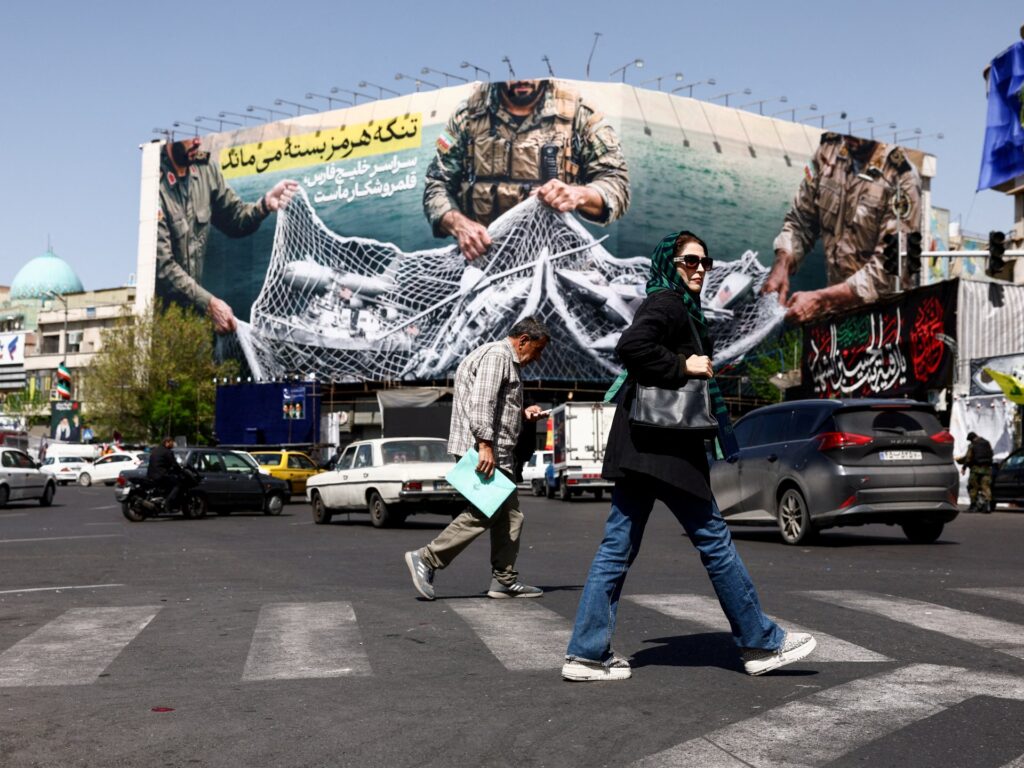
As the conflict between Iran and the US-Israeli coalition enters its 39th day, the situation remains tense and volatile. The ongoing military operations, characterized by relentless airstrikes and ground skirmishes, have deeply impacted the region’s stability and raised concerns about a broader escalation.
The US and Israel have intensified their attacks targeting key Iranian military assets and infrastructure, aiming to cripple Iran’s strategic capabilities. These strikes have included precision air raids on bases, weapons depots, and communication networks purportedly linked to revolutionary and militant activities. The coalition asserts that these measures are necessary to counter Iran’s regional influence and prevent further destabilization.
However, Iran has shown no signs of backing down. Official statements from Tehran have condemned the attacks as acts of aggression and vowed to defend the nation’s sovereignty at all costs. Iran’s leadership has described President Donald Trump’s warnings and deadlines as “delusional,” dismissing the threats as empty rhetoric that will not influence Iran’s resolve.
The US president has set a strict and publicly announced deadline for Iran to cease its actions, signaling that failure to comply might provoke even more severe military responses. This stance reflects the current administration’s approach of exerting maximum pressure to compel Iran into negotiations or concessions.
On the ground, the continuous attacks have inflicted significant casualties and infrastructural damage. Civilian areas in the conflict zones have suffered collateral damage, exacerbating humanitarian concerns and triggering international calls for restraint. Aid organizations report increasing difficulties in delivering relief amid the ongoing hostilities.
Diplomatic efforts remain stalled, with international mediators struggling to broker a ceasefire or dialogue amid mutual distrust and hardened positions. The United Nations and other global bodies have expressed deep concern over the escalating violence and its potential to spiral into a larger regional war.
The 39th day marks a critical juncture. Analysts warn that without de-escalation, the conflict could further entrench divisions in the Middle East, disrupt global energy supplies, and heighten security risks worldwide.
Both sides remain defiant, with the US-Israeli coalition continuing its campaign to degrade Iran’s military capabilities and Iran reinforcing its commitments to counter any further intrusions. The international community watches anxiously, hoping for a cessation of hostilities but preparing for the possibility of intensified warfare.
In summary, day 39 of the US-Israeli attacks on Iran reflects a conflict at a dangerous peak. The steadfast positions from Iran and the stringent deadlines from the US indicate a continued standoff with uncertain outcomes. The world remains on edge as diplomatic solutions seem elusive, and military confrontations persist, underscoring the urgent need for dialogue and conflict resolution in a region fraught with decades-old tensions.