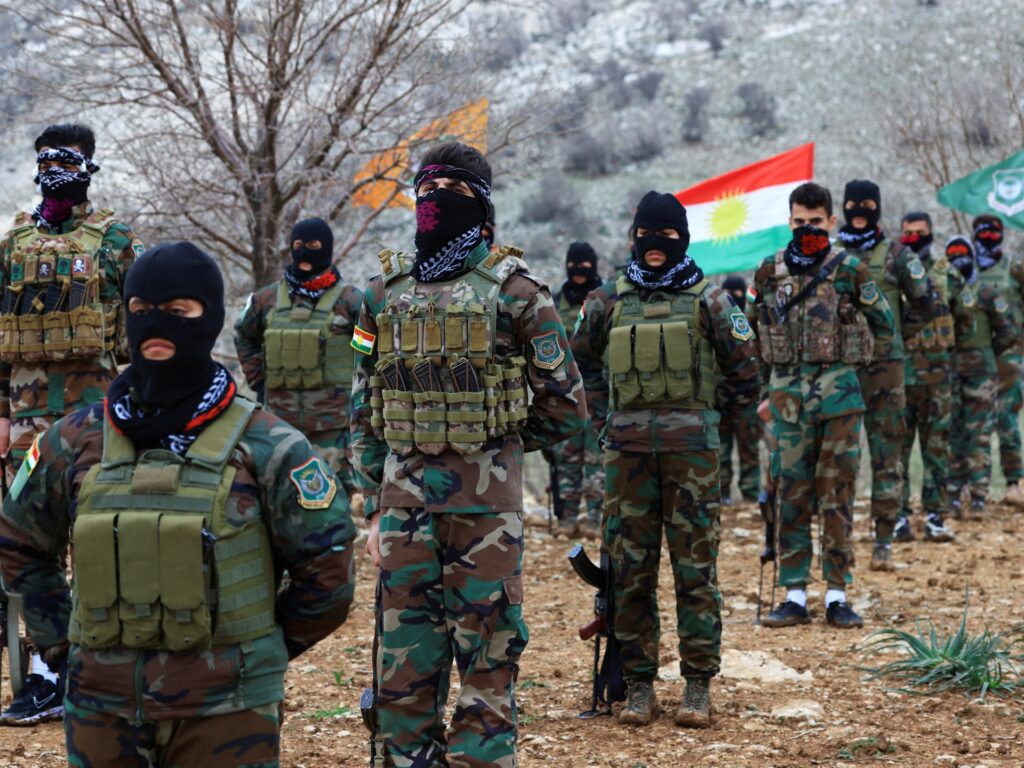
In a significant development, US President Donald Trump has confirmed that Washington did indeed arm Kurdish opposition groups in Iran during the January protests. This admission aligns with claims previously made by the Iranian government, which had asserted that the unrest was fueled by foreign support.
The protests erupting across Iran in January were initially sparked by social, economic, and political grievances. However, Tehran has long maintained that external forces, notably the United States, were actively involved in supporting opposition factions with arms and resources to destabilize the regime.
President Trump’s statement marks a rare acknowledgment of the US’s direct involvement. According to the president, the US provided weapons and support to Kurdish Iranian groups seeking to challenge the Iranian government. These groups, primarily operating within Kurdish regions of Iran, have historically sought greater autonomy and have been at odds with Tehran.
While the Trump administration has frequently criticized the Iranian government, openly admitting to arming opposition factions raises the stakes significantly. It highlights a more aggressive posture by Washington toward Iran amid ongoing tensions concerning Iran’s nuclear program, regional influence, and human rights issues.
The Iranian authorities have condemned the US intervention as blatant interference in its domestic affairs. They claim this support fuels violence and undermines Iran’s sovereignty, further complicating efforts to resolve the underlying causes of the protests.
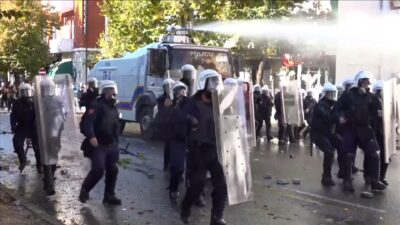
The January demonstrations were notable for their scale and intensity, spreading across multiple cities and involving thousands of protesters. The movement drew international attention and sympathy, though the Iranian government described many events as acts of sedition orchestrated by foreign adversaries.
From the US perspective, the backing of Kurdish opposition groups could be seen as part of a broader strategy to weaken Iran’s government from within. This approach includes economic sanctions and diplomatic isolation, alongside direct support for factions opposed to Tehran.
Critics argue that arming opposition groups risks escalating violence and may lead to prolonged instability in the region. There are fears that increased external intervention could provoke retaliatory actions, potentially involving proxy conflicts or direct confrontations.
The revelation also raises questions about the ethical implications of foreign involvement in another country’s internal affairs. It challenges international norms concerning sovereignty and non-intervention, placing the US under scrutiny from global observers and allies alike.
Analysts suggest that the Trump administration’s move is part of a broader campaign aiming to apply maximum pressure on Iran, hoping to compel concessions during negotiations relating to nuclear activities and regional behavior.
In conclusion, President Trump’s confirmation that Washington armed Kurdish Iranian opposition groups during the January protests significantly impacts the geopolitical landscape. It validates Tehran’s allegations, intensifies US-Iran tensions, and underscores the complex interplay of domestic dissent and international interference shaping the ongoing unrest in Iran.