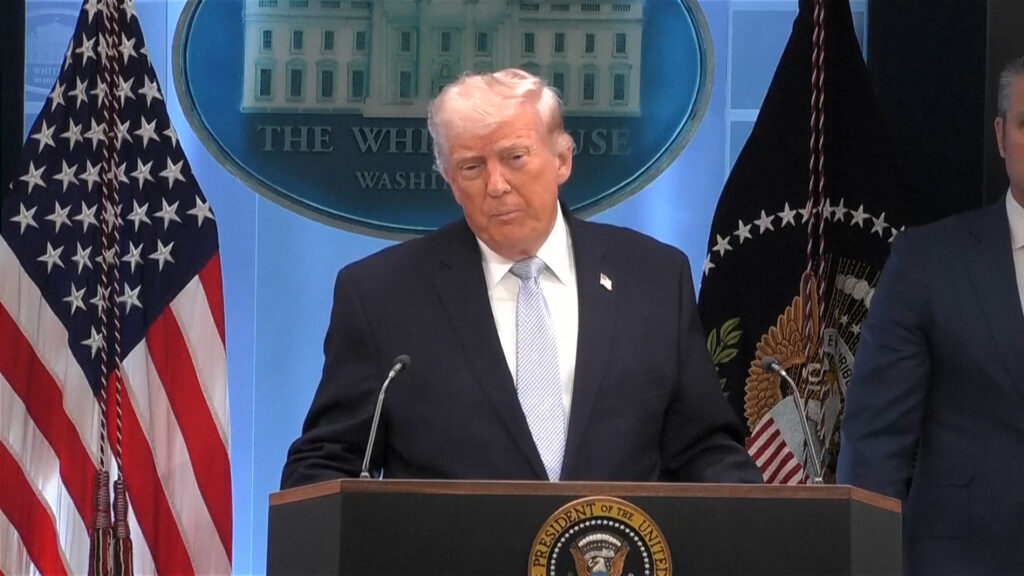
In a bold and controversial move, former President Donald Trump has threatened to imprison a journalist who reported on the recent rescue of a US airman in Iran. The incident pertains to the leak of sensitive information regarding the successful operation that brought the airman back to the United States. Trump publicly demanded that the journalist reveal their source, escalating concerns about press freedom and government transparency.
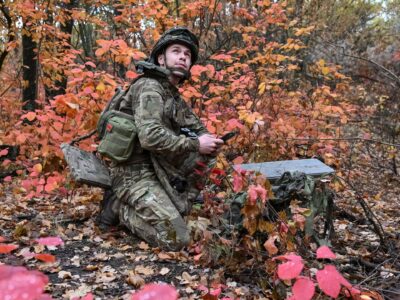
The rescue operation, which was carried out with high secrecy and precision, became the subject of intense media scrutiny after the leak exposed crucial details. Trump accused the reporter of compromising national security by disclosing information that could potentially endanger US military personnel and ongoing operations.
This threat has sparked a widespread debate about the limits of journalistic privilege and the government’s responsibility to protect classified information. Supporters of Trump’s position argue that leaks of this nature undermine the safety of individuals involved in covert missions and that the government must take stern action against those who jeopardize such efforts.
Critics, however, view Trump’s demand as an attack on the freedom of the press and a violation of the principles enshrined in the First Amendment. They contend that protecting sources is a fundamental aspect of investigative journalism that allows reporters to hold powerful entities accountable without fear of retaliation.
The journalist at the center of the controversy has yet to reveal their source, standing firm on the ethical stance that whistleblower confidentiality is crucial for democracy. Media organizations have rallied in support of the journalist, emphasizing the importance of protecting those who expose government wrongdoing.
Legal experts have weighed in, noting that while the government has the right to pursue leaks that threaten national security, forcing a reporter to disclose their source sets a dangerous precedent. The balance between safeguarding secrets and upholding press freedom remains a contentious issue.
This episode comes at a time when tensions between the US and Iran remain high, and the rescue operation’s success is seen as a significant victory for American forces. The leak has put the spotlight on the challenges faced by journalists covering sensitive national security stories and the potential consequences they face.
As the debate unfolds, questions linger about the future of press freedom in an era where governments increasingly employ aggressive tactics to control narratives. The case highlights the ongoing struggle to maintain transparency while protecting state interests.
In summary, Trump’s threat to jail a reporter over the leaked information about the Iran airman rescue has ignited a fierce discussion about the intersection of national security and freedom of the press. The outcome of this situation will likely influence how similar cases are handled in the future, affecting both government policy and journalistic practice globally.