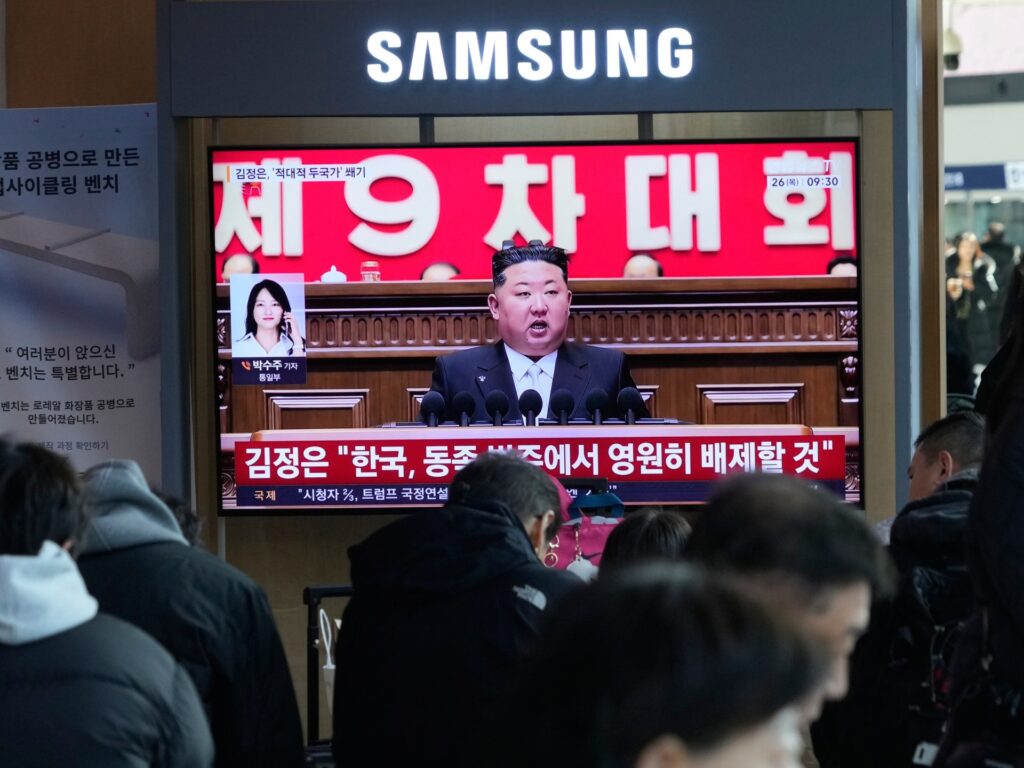
Recent reports from South Korea indicate that North Korea is maintaining a cautious distance from Iran as it pursues the renewal of diplomatic dialogue with the United States. Pyongyang’s wariness emerges amid ongoing international complexities and its strategic calculations regarding engagement on the global stage.
South Korean intelligence underscores a nuanced approach by North Korea, which seems to be calibrating its foreign relations carefully. While traditionally aligned with other nations in opposition to the US, North Korea’s current posture suggests a pragmatic shift designed to favor dialogue over confrontation.
The backdrop to this development involves North Korea’s desire to alleviate sanctions and international pressure through renewed negotiations. Engaging with the US is seen as a potential avenue for economic relief and security guarantees, making Pyongyang cautious about any external entanglements that could complicate this fragile diplomatic effort.
Iran, a country similarly subject to American sanctions and diplomatic isolation, might have been an expected partner for North Korea in reinforcing a united front against Washington. Nonetheless, reports suggest that Pyongyang is deliberately avoiding deepened cooperation that could jeopardize its delicate diplomatic opening.
Experts interpret Pyongyang’s stance as a strategic balancing act, reflecting the regime’s priority on establishing a stable dialogue with the US while avoiding provocations that could derail progress. This includes refraining from overt alliance activities that might attract further scrutiny or sanctions.
The situation is unfolding in a broader regional context marked by fluctuating alliances and shifting geopolitical interests. North Korea’s decision to keep Iran at arm’s length signifies an adaptive foreign policy approach amid the evolving international landscape.
South Korean officials remain watchful, analyzing the implications of Pyongyang’s cautious diplomacy. The hope is that this measured stance could pave the way for substantive talks with the US, potentially resuming the long-stalled dialogue that might address security concerns on the Korean Peninsula.
While the exact details of North Korea’s diplomatic maneuvers remain opaque, the indication of its wariness toward Iran highlights the complexities involved in its foreign relations strategy. It underscores Pyongyang’s focus on maximizing gains in its interactions with the United States while minimizing risks from other international entanglements.
In conclusion, North Korea’s cautious distance from Iran amidst its efforts to engage the US diplomatically represents a significant development. It reveals a pragmatic and calculated approach designed to navigate the challenging waters of international diplomacy, aiming to secure its national interests in a shifting global order.